
REVIEW · MARAS & MORAY SALT MINES
From Cusco: Maras and Moray and Ollantaytambo Tour
Inca science and salt at one easy pace. I love how the guide makes Moray’s circular terraces and the irrigation system feel clear and practical, and I love seeing the Salineras salt pans with thousands of evaporation pools still in use. The one drawback to plan for is that the Ollantaytambo ruins entry fee is extra unless you already use the Tourist Ticket.
You’ll start with hotel pickup in Cusco and ride by private transport, so your day feels controlled instead of rushed. I also like that you get a private guide in English or Spanish, and in my experience with this style of tour, they’re willing to adjust the pace to what your group wants to focus on.
By afternoon, you’ll be dropped off in Ollantaytambo (or back in Cusco, depending on your option). Start early, wear good shoes, and remember this isn’t an all-seated tour. Some walking happens on uneven ground.
In This Review
- Key things I’d bet on
- Why This Sacred Valley Day Works So Well From Cusco
- Moray’s Circular Terraces: Inca Engineering You Can Picture Fast
- Maras Village and the Salt Mine: Seeing Production, Not Just Scenery
- Ollantaytambo Ruins: A 1-Hour Stop With Real Inca Weight
- Price and Logistics: What You’re Paying For (and What You Still Need)
- What to Expect During the 6 Hours (Without the Guesswork)
- Who This Tour Is Best For (and Who Should Skip It)
- Should You Book This Maras and Moray and Ollantaytambo Tour?
- FAQ
- How long is the Cusco Maras and Moray and Ollantaytambo tour?
- Where does the tour start?
- Which places are included in the tour?
- Is the Salt Mine entrance fee included?
- Are meals included?
- Do I need to pay an extra entrance fee for the ruins?
- What languages is the guide available in?
- Where will I be dropped off at the end?
- Is there free cancellation?
Key things I’d bet on
- Moray’s terrace “agriculture lab” vibe: circular ruins tied to a working irrigation concept
- Salineras Salt Mine scale: more than 3,000 salt evaporation pools you can actually see up close
- Maras village stop: a short guided visit that connects the mines to the local setting
- Ollantaytambo ruins with a guide: 1 hour that’s long enough to get the big picture
- Private, time-friendly flow: hotel pickup and private transportation, then drop-off in the afternoon
More Maras salt pans and Moray terraces
- Cusco: Sacred Valley, Pisac, Ollantaytambo, Salt Mines Moray★ 4.6 · 1,058 reviews
- Cusco:Chinchero,Moray & Salt Mines drop-off in Ollantaytambo★ 4.8 · 793 reviews
- Sacred Valley: Chinchero, Moray, Ollantaytambo & Pisac+Lunch★ 4.8 · 501 reviews
- Sacred Valley: Maras & Moray by Quad Bike from Cusco★ 4.6 · 418 reviews
Why This Sacred Valley Day Works So Well From Cusco
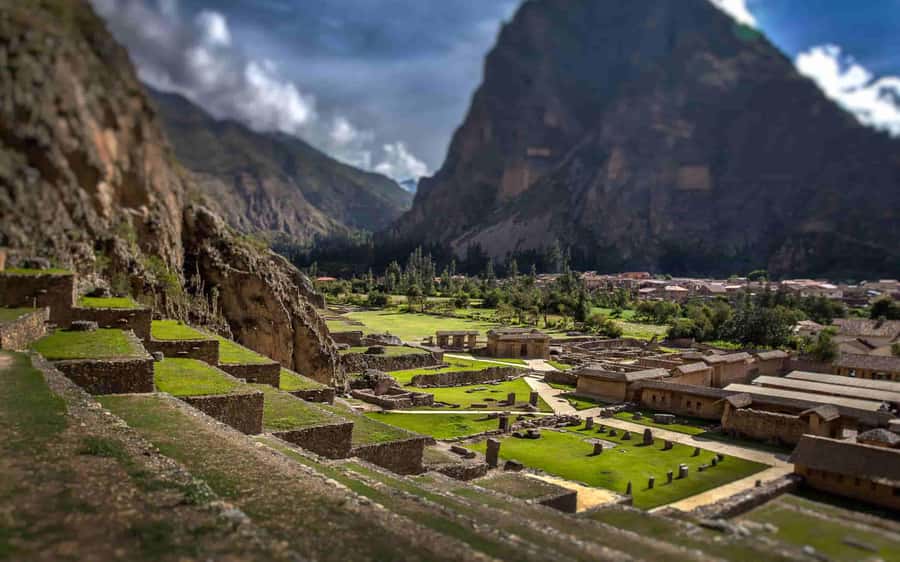
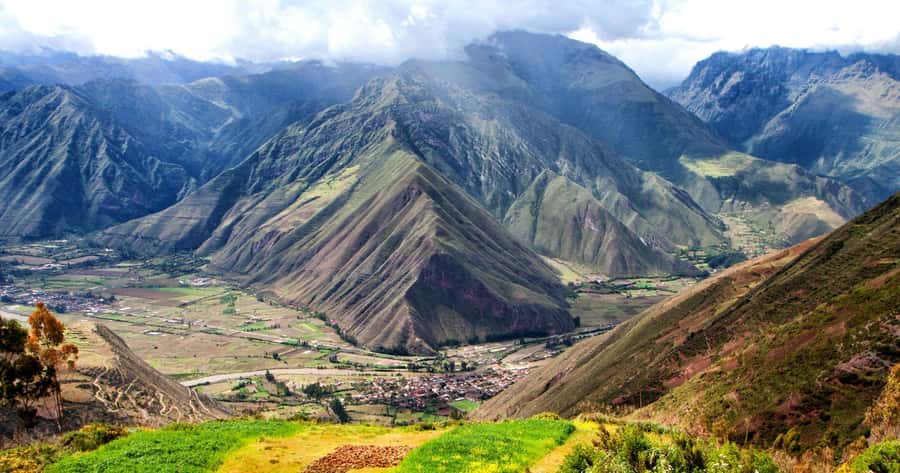
This is a classic Cusco area “starter hits” route, but it doesn’t feel like a checklist tour. In about 6 hours, you cover three different kinds of Inca-era places: an engineering-minded agricultural site (Moray), an active industry site (Salineras), and a major fortress-town ruins area (Ollantaytambo).
The value is the combo of guided explanation and smart pacing. You’re not just looking at ruins and salt pans—you’re getting told what to notice. With a private guide, you can ask questions and spend your time where your brain is most interested.
The timing matters too. By the end, you’re dropped off in Ollantaytambo, which is handy if you’re continuing onward by train. Even if you’re going back to Cusco, the afternoon finish keeps the day from swallowing your whole trip.
Moray’s Circular Terraces: Inca Engineering You Can Picture Fast
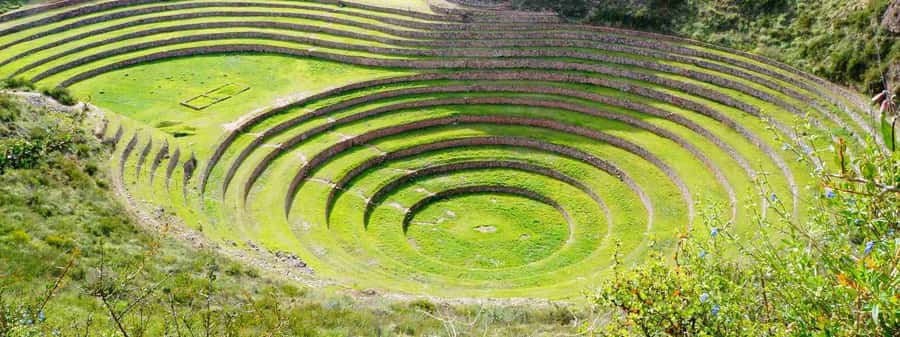
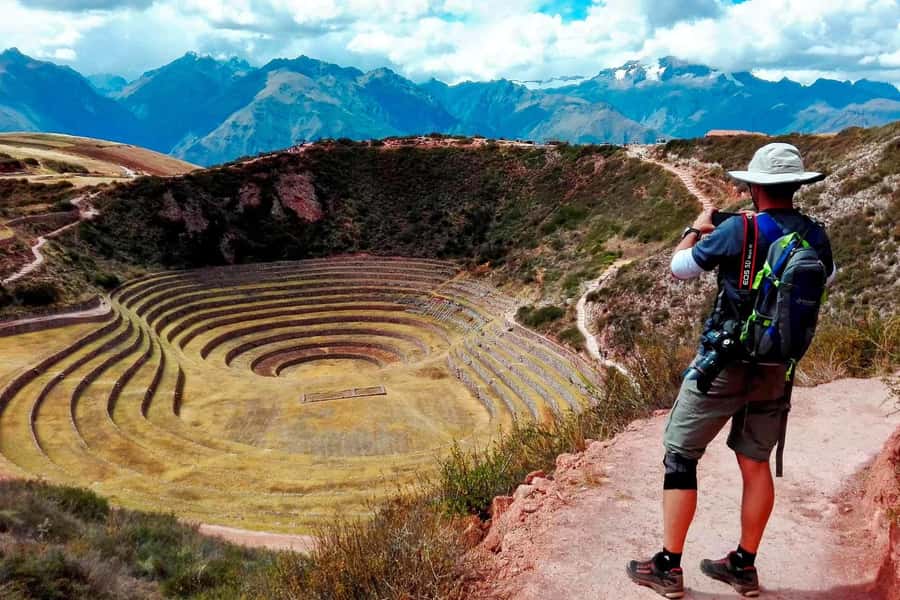
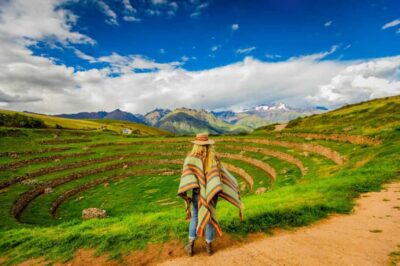
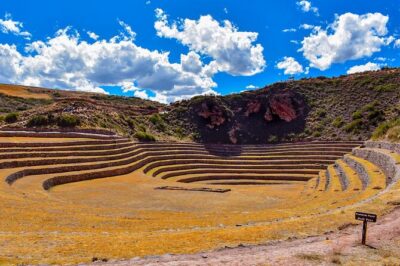
Moray is the first “wow” stop, and it’s special because it’s not a typical ruin layout. The site is known for its unusual circular terraces—multiple rings cut into the terrain—paired with a complex irrigation system. On a guided visit, that detail is what turns it from just pretty circles into something you can understand.
During your guided time (about 40 minutes), you’ll learn what the terraces are for and how the irrigation network ties into the design. That matters for your experience because Moray rewards looking with purpose. If you only see circles and walls, you miss the point. If you know what to watch for—how water would move and why the layout is built the way it is—you start reading the structure like a system.
What I like about this stop is that it’s educational without turning into a lecture. You can still take photos, walk a bit, and absorb the shape of the place. And because the visit is guided, you don’t have to guess what you’re looking at.
One practical consideration: ruins sites usually mean uneven ground and standing time. If you’re someone who prefers long, fully flat walks, you might feel a bit limited here. Also, this tour isn’t listed as suitable for people with mobility impairments, so plan around that.
Maras Village and the Salt Mine: Seeing Production, Not Just Scenery
Maras is a short guided sightseeing stop (around 40 minutes), and it works best when you treat it like context. You’re not spending all your time there; you’re using Maras as the bridge between the town feel and the main event—Salineras.
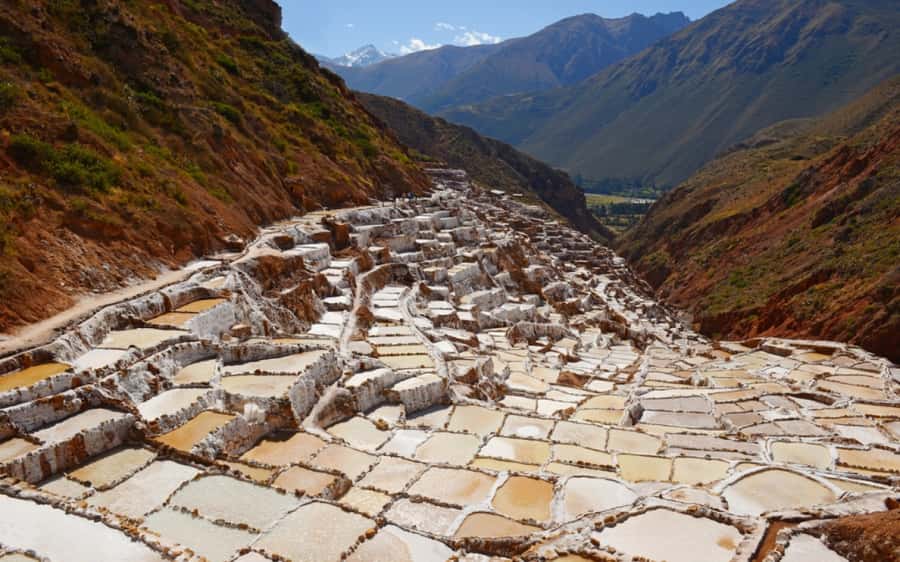
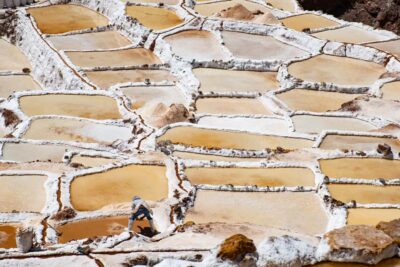
Then comes the Salineras Salt Mine area (often called Salineras). This is where the scale gets your attention quickly. You’ll visit the nearby salt evaporation ponds at the mine, and you’ll see more than 3,000 salt pools. Even better, the operation is still in use today. That means you’re not viewing a dead industrial scene; you’re looking at a place with ongoing work.
This is also why the salt mine entrance fee is included on your tour. You’re paying for access plus guide time, not just transportation. When you’re at the pools, you’ll notice how the system is laid out so evaporation can happen across many small plots. The best way to enjoy it is to slow down and look for patterns—how pools repeat, how water control and layout create the grid you see.
Bring your senses. The space can feel visually busy because there are so many small pools, but that’s also part of the appeal. If you go in expecting one dramatic photo, you might miss what makes Salineras interesting. If you go in curious about how something practical can be spread out over thousands of units, it clicks.
Ollantaytambo Ruins: A 1-Hour Stop With Real Inca Weight

After the salt and terraces, you’ll drive along the Urubamba River toward Ollantaytambo. This ride is a breather, but it also sets up the last stop so you arrive already oriented to the valley setting.
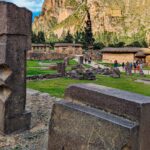
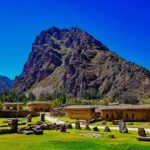
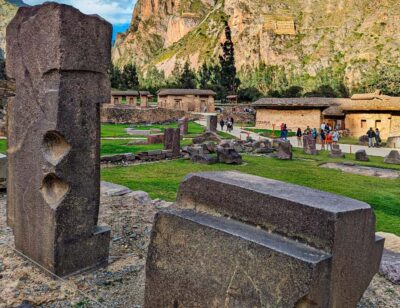
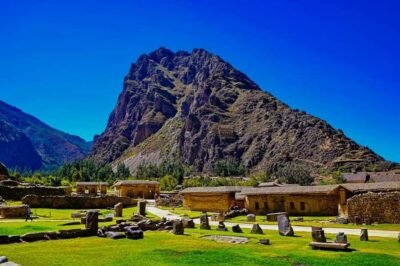
Ollantaytambo gets about 1 hour of guided sightseeing. The ruins here are an important area of Incan construction, built during the Incas’ heydays. A guide is especially helpful at Ollantaytambo because the stone structures can look like “big rocks” until you understand what the layout is communicating and why the site matters.
The goal of this portion of the day isn’t to overwhelm you with every angle. It’s to give you the big picture and help you connect what you saw earlier. Moray shows Inca agricultural design. Salineras shows Inca-linked production landscapes. Ollantaytambo adds the urban/fortified side of Inca presence in the Sacred Valley.
One thing to plan for: ruins stop time is limited by design. If you want a long, slow wander where you read every stone detail, you may wish you had more than 1 hour. Still, for most people, 1 hour strikes the right balance between learning and not burning out.
At the end of the tour, you’ll be dropped off at your hotel or train station in Ollantaytambo, or back in Cusco depending on the option you choose.
More Pisac and Ollantaytambo ruins

Price and Logistics: What You’re Paying For (and What You Still Need)

The price is $144 per person for a 6-hour private tour. For me, the value centers on four included elements: hotel pickup in Cusco, private transportation, a private guide (English or Spanish), and the salt mines entrance fee.
A private guide is where the difference shows up. Without explanation, Moray and Ollantaytambo can turn into “I saw the place.” With a guide, you know what to notice: the irrigation concept at Moray, the still-in-use salt pool operation at Salineras, and the significance of the Inca construction at Ollantaytambo.
Here’s what to budget separately. Meals are not included, so plan for snacks or a proper meal before the tour begins or after it ends. Also, entrance to the ruins is not included in the base price. The fee listed is S/70.00 per person for ruins access, and it notes that ruins entrance is included on a Tourist Ticket. If you don’t have that ticket, bring cash.
The practical takeaway: if you’re the type who likes guidance and doesn’t want to coordinate multiple tickets and rides yourself, this price can feel fair. If you’re traveling ultra-budget and you’re comfortable doing everything on your own, you might pay less by going independently—but you’ll also lose the guided clarity.
What to Expect During the 6 Hours (Without the Guesswork)
Your day follows a clean flow. You get picked up in Cusco in the morning, then the stops go in a logical order: Maras, Moray, Salineras Salt Mine, then Ollantaytambo. Each guided section has a set window—40 minutes at Maras, 40 minutes at Moray, and 1 hour at Ollantaytambo—so the day stays moving.
That structure is helpful if you’re short on time. It also means you’re less likely to show up at a site too late in the day when energy and viewing comfort start to drop.
You’ll also spend some of the day in the car. The private transportation is included, which makes the ride smoother than long shared routes. Still, remember this is a half-day tour. If you’re expecting multiple long hikes or a slow museum-style pacing, this schedule won’t match that.
Bring warm clothing and hiking shoes. That’s not a vague suggestion. Good shoes keep you steady on uneven ground, and warm layers help if you’re out longer than you planned for in the morning or near water-related areas.
Also bring cash. You’ll likely need it for the Ollantaytambo ruins entrance fee (S/70.00 per person) if you’re not using the Tourist Ticket.
Who This Tour Is Best For (and Who Should Skip It)
I’d recommend this tour if you:
- Want a focused Sacred Valley day that hits Moray, Maras, Salineras, and Ollantaytambo without planning the logistics yourself
- Like explanations tied to visible things (like the terraces and irrigation concept at Moray)
- Enjoy active production sites, not just ruins (Salineras is still working)
- Are comfortable with a private guided pace and some walking on uneven ground
I’d hesitate if you:
- Need step-free, fully accessible routes (this tour is not suitable for people with mobility impairments)
- Prefer long unstructured time at sites (the guided windows are set: 40 minutes, 40 minutes, 1 hour)
- Want meals included (meals aren’t part of the package)
If you’re traveling as a train-bound schedule from Cusco into the Ollantaytambo area, this tour can be especially practical because the afternoon drop-off can align with onward plans.
Should You Book This Maras and Moray and Ollantaytambo Tour?

Book it if you want a tight, guided Sacred Valley sampler where the highlights make sense together. Moray plus irrigation explanation, Salineras with thousands of still-used salt pools, and then Ollantaytambo ruins give you three angles on the Incas’ impact on this region. The private guide is the main reason I’d choose this over a purely self-guided day.
Skip it (or choose a different style of tour) if you want fully accessible walking routes, long stays at each site, or meals included. Also, don’t forget the ruins entry fee planning so you’re not scrambling at the last stop.
FAQ

How long is the Cusco Maras and Moray and Ollantaytambo tour?
It lasts 6 hours total.
Where does the tour start?
Pickup is included from your hotel in Cusco.
Which places are included in the tour?
You’ll visit Maras, Moray, the Salineras Salt Mine salt evaporation ponds, and Ollantaytambo ruins.
Is the Salt Mine entrance fee included?
Yes. The salt mines entrance fee is included.
Are meals included?
No. Meals are not included in the tour price.
Do I need to pay an extra entrance fee for the ruins?
Yes. Entrance to the ruins is not included in the tour price and costs S/70.00 per person. It also notes that ruins entrance is included on a Tourist Ticket.
What languages is the guide available in?
The private guide is available in English or Spanish.
Where will I be dropped off at the end?
You’ll be dropped off in Ollantaytambo at your hotel or train station. It also notes a drop-off option back in Cusco.
Is there free cancellation?
Yes. You can cancel up to 24 hours in advance for a full refund. The booking also offers a reserve now & pay later option.
More Tour Reviews in Cusco





More Pisac and Ollantaytambo


More Salt Pans and Terraces


Recent write-ups from around Cusco, just off the trail
- Cuzco: Rainbow Mountain Excursion
★ 5.0 · 3 reviews - 1 day excursion to Qeswachaka bridge and the 4 lagoons
★ 3.6 · 3 reviews - Waqrapukara 1 day trekking + meals
★ 3.9 · 3 reviews - Valle Sur Cusco | half day
★ 4.3 · 3 reviews - Full-Day Condor Viewpoint & Inca Sites Tour
★ 5.0 · 3 reviews
Maras & Moray Salt Mines, compared.
 ★ 4.8From Cusco: Sacred Valley & Maras Salt Mines Tour with LunchFrom $282,227 reviews
 ★ 4.8From Cusco: Moray, Maras Salt Mines & Chinchero Weavers TourFrom $151,925 reviews
 ★ 4.6Sacred Valley, Pisac, Ollantaytambo, Salt Mines MorayFrom $281,058 reviews
 ★ 4.8Chinchero,Moray & Salt Mines drop-off in OllantaytamboFrom $27793 reviews
 ★ 4.8Sacred Valley: Chinchero, Moray, Ollantaytambo & Pisac+LunchFrom $25501 reviews
 ★ 4.6Sacred Valley: Maras & Moray by Quad Bike from CuscoFrom $39418 reviews
 ★ 4.7From Cusco: Quad bike tour Moray and Salt MinesFrom $27314 reviews
 ★ 5.0From Cusco: Moray, Maras Salt Mines & Chinchero Weavers Half-DayFrom $15126 reviews
Browse the lists this tour appears in