
REVIEW · MARAS & MORAY SALT MINES
Moray and Salinera de Maras Half Day
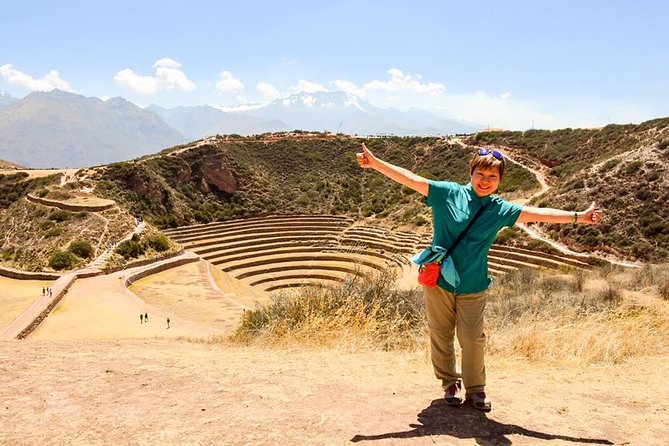
Two Inca experiments and salt work in one morning. I like the Moray terraces and the way the guide explains how the Incas used this place for agriculture, and I like pairing it with the Maras salt fields so the day feels visual and hands-on. The one catch: entrance tickets to both stops cost extra (Moray and Maras are separate fees), and the bus can feel hot.
This is a 6-hour half-day setup starting at 8:30am, with round-trip transportation and a professional guide. It’s a smart way to get out of Cusco and see two major Sacred Valley highlights without giving up your whole day.
Most people can join, and you’ll get confirmation at booking. Still, it’s worth going in with a snack mindset since lunch isn’t part of the deal, and bring water for the salt-mine walking.
In This Review
- Key things to know before you go
- Moray and Maras half day: why this route works
- Price and value: the $14 baseline plus entrance reality
- Getting to the first stop: timing, transport, and comfort
- Stop 1: Via a Moray and the Inca agricultural terraces
- Stop 2: Salineras de Maras salt mines and how the day feels
- Chinchero textiles: the craft stop that breaks up the day
- The guide experience: what to expect and how to get the most out of it
- Small friction points: heat, add-on stops, and a rare pickup issue
- Who should book Moray and Salineras de Maras half day?
- Should you book this Cusco half-day?
- FAQ
- Do I have to pay entrance fees for Moray and Maras?
- What is included in the tour price?
- What’s the start time of the tour?
- How long is the tour?
- Which places does the tour visit?
- Is lunch included?
- How will I get my booking confirmation?
- Can most travelers participate?
- Is cancellation free?
- Is the tour typically booked far in advance?
- Is the entrance fee cost the same for everyone?
Key things to know before you go
- Two major sites in one route: Moray’s archaeological center plus the Maras salt mines
- Extra entrance fees are the real cost: Via Moray and Maras Salineras both require separate tickets
- Chinchero adds local craft: a textile shop and textile manufacturing stop
- Guides can make or break the vibe: communication is easy, but you might want to manage talk-time
- Heat + comfort varies: some buses have limited airflow, so plan accordingly
More Maras salt pans and Moray terraces
- Cusco: Sacred Valley, Pisac, Ollantaytambo, Salt Mines Moray★ 4.6 · 1,058 reviews
- Cusco:Chinchero,Moray & Salt Mines drop-off in Ollantaytambo★ 4.8 · 793 reviews
- Sacred Valley: Chinchero, Moray, Ollantaytambo & Pisac+Lunch★ 4.8 · 501 reviews
- Sacred Valley: Maras & Moray by Quad Bike from Cusco★ 4.6 · 418 reviews
Moray and Maras half day: why this route works
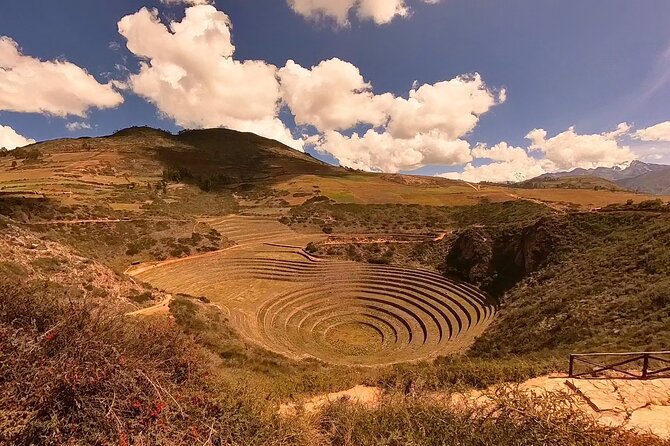
If you’re basing yourself in Cusco and want a practical hit of the Sacred Valley, this tour format is one of the easiest. You get two of the most memorable stops—Moray and Salineras de Maras—plus a Chinchero textile stop, all in about six hours. That matters, because the Cusco region can eat up your time fast once you factor in road travel, photo stops, and the small waits that always pop up.
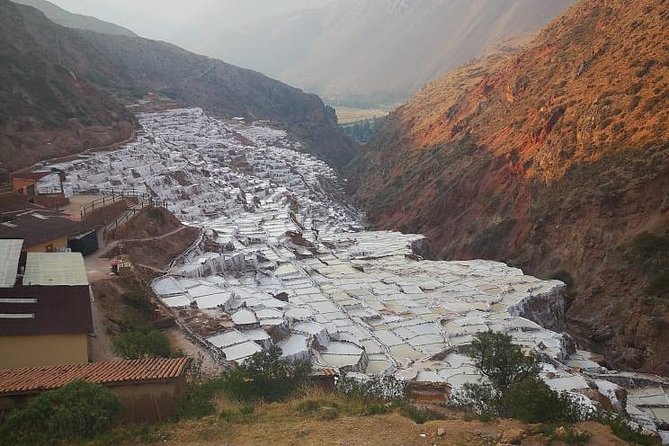
The best part of the route is the mix. Moray gives you a “how they worked the land” feel, while Maras Salt Mines gives you the “look at all those tiny channels” wow factor. Then Chinchero shifts the focus from ancient land use to living craft, so the day doesn’t blur together into one long sightseeing stretch.
You also get guided context. The tour specifically sets you up to learn about the history and Inca use of Moray, and you’ll get explanations tied to the salt production at Maras. Even if you’re not a deep-archaeology person, having someone put the pieces into plain words is usually what turns a quick visit into something you remember.
Price and value: the $14 baseline plus entrance reality
On paper, this tour is priced at $14 per person, and that’s great. But the important part is how the price works in real life: entrance tickets are extra.
Here’s what you should budget before you go:
- Via Moray entrance fee: PEN 70 per person
- Maras Salineras entrance fee: PEN 20 per person
So your total on-the-day spend will be that $14 plus the two entrance fees. That still can be a strong deal, especially because you’re also getting round-trip transportation and a professional guide for a full half-day route.
My practical advice: don’t treat $14 as the full price. Instead, treat it as the “transport + guide + itinerary” cost, and then add the ticket fees you know you’ll need. If you do that, you won’t feel surprised later, and you’ll be in a good mood at the first stop.
Getting to the first stop: timing, transport, and comfort
The tour starts at 8:30am, which is usually ideal in Cusco. Early departures help you avoid the worst heat for walking around Maras and keep the day from dragging.
You’ll have round-trip transportation, so you’re not dealing with taxis, route planning, or paying for multiple rides. Pickup is arranged through the operator, and in at least some cases you may have to share your hotel address so they can coordinate the pickup point. That’s a good sign for smooth logistics—just make sure you send any requested info promptly.
One comfort note from real experiences: the bus situation can vary. There are reports of limited airflow and a sweltering cabin, especially on the way back and during the middle of the day. Windows may not open much and there may be no air conditioning. If you get heat-sensitive, pack accordingly:
- water
- a light layer you can remove
- a small fan or cooling towel if you have one
It’s not the kind of issue that ruins the trip, but it’s the kind that can make you less patient if you show up unprepared.
Stop 1: Via a Moray and the Inca agricultural terraces
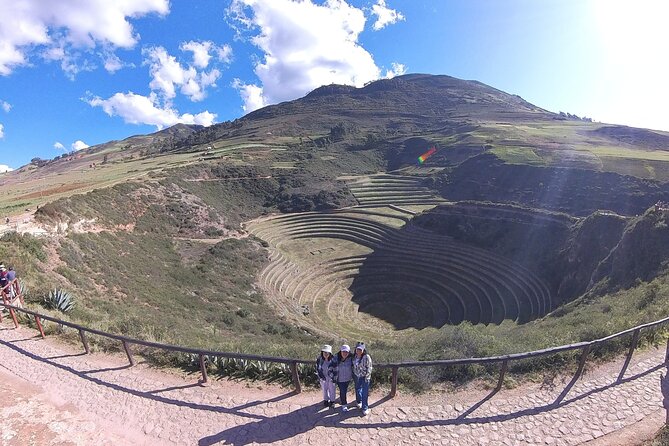
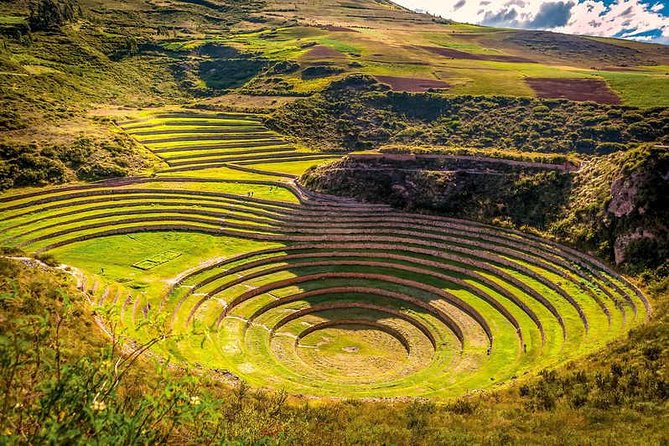
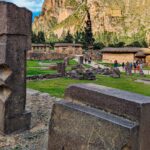
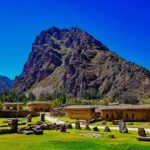
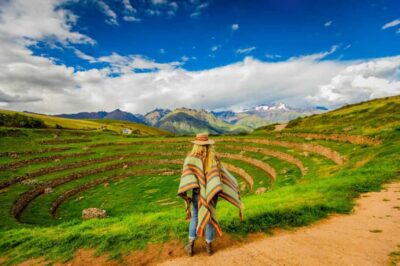
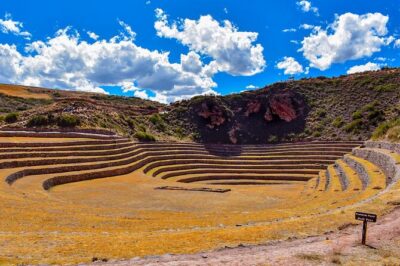
Moray is the first stop, at the archaeological center of Moray via the road route (Vía a Moray). The point here isn’t just to take photos. The tour is designed so you’ll learn about Moray’s history and how it was used by the Incas as part of agriculture.
What I like about Moray as a first stop is that it sets the theme of the day. You start with human planning—terraces, structures, and an agricultural purpose—then you move toward Maras, where the “work of the land” becomes very literal.
What to do while you’re there:
- listen closely to what the guide says about how it was used
- pace yourself for photos without rushing
- take time to look at the stepped layout from different angles
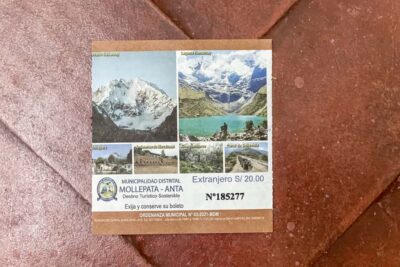
There’s also a practical detail: you’ll need to pay the Via Moray entrance fee (PEN 70) separately. If you show up without cash or without the right payment method, you’ll lose time at the gate. Plan ahead so the visit starts smoothly.

Stop 2: Salineras de Maras salt mines and how the day feels
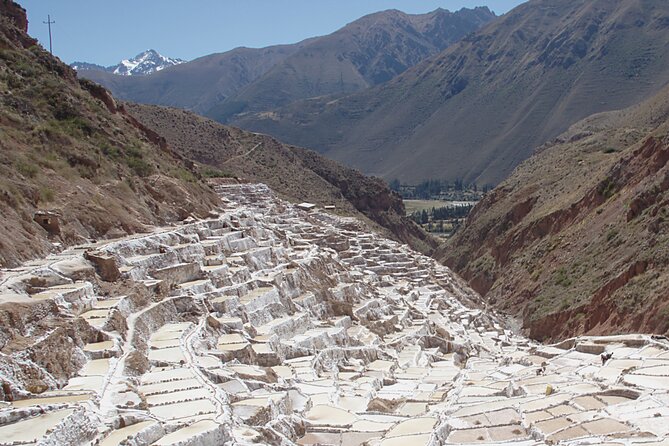
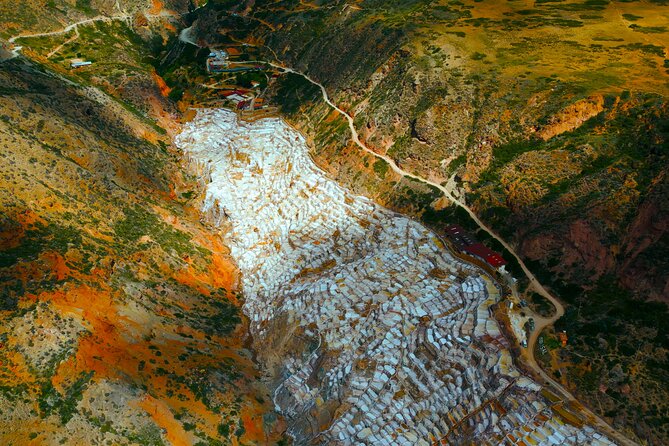
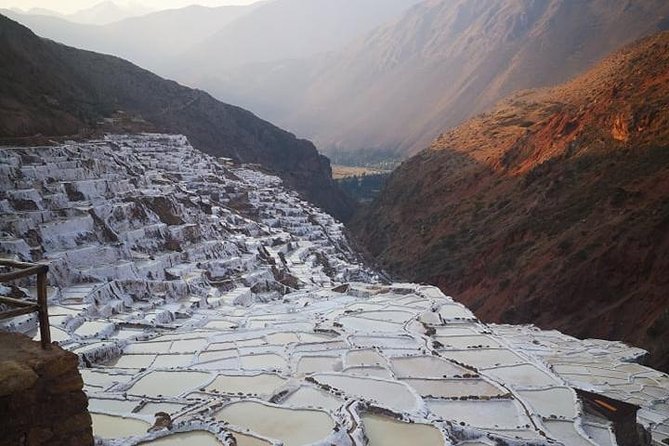
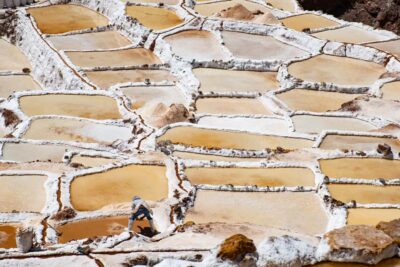
After Moray, the vibe shifts. Maras Salt Mines is visually striking, and the experience is less about ruins and more about an active production scene. The tour is specifically set up so you learn about the salt production, not just stand and stare.
The Salt Mines are also where you’ll feel your legs. Even if you don’t hike far, there’s uneven ground and lots of moving around for views. If it’s warm, the combination of sun and walking adds up fast, so stick to your water schedule.
Entrance fee matters here too:
- Maras Salineras entrance fee: PEN 20 per person
If you’re building your budget in advance, this second ticket is what keeps the arithmetic honest. If you pay it easily and the rest of the day goes well, the tour feels like a fair value.
One more practical tip: this isn’t a “rush, snap, leave” stop for everyone. Some guides may include extra explanations, and that can make the time feel longer in a good way. If you’re the type who likes lots of talking, you’ll probably enjoy it. If you’re the type who needs quiet time to absorb, you may want to ask short questions and then wander with purpose for a bit.
Chinchero textiles: the craft stop that breaks up the day
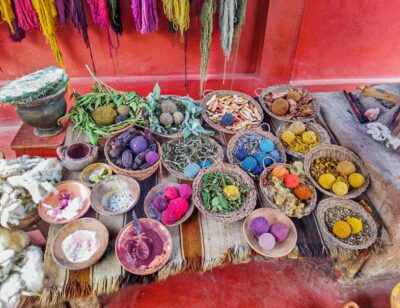
The itinerary includes a Chinchero stop with a textile shop and a textile manufacturing visit. This is where the tour adds something more than just ancient sites. You get to see how textile work is part of local culture and how materials and processes fit into daily life.
In practice, some versions of the day also include extra shopping-style stops. One experience included a textile-related store experience and a couple of extra places like a shop selling items tied to Maras salt, including products that blend salt with other goods. That kind of stop can be fun if you like souvenirs, but it can feel unnecessary if you’re not interested in buying.
My advice: go into the textile stop with clear expectations. If you enjoy craft and want to understand what you’re looking at, this portion can be a highlight. If you’re only here for Moray and Maras, treat Chinchero as a bonus. Either way, you’ll come away with at least one new thing to talk about besides terraces and salt pans.
Also note the comfort factor: textile and shop areas can mean less walking and more standing. That’s nice if your knees are tired, but it can also mean you’re stuck inside when it’s too hot outside. Bring something small to keep you comfortable.
The guide experience: what to expect and how to get the most out of it
A lot of your satisfaction depends on the guide style. The tour includes a professional tour guide, and many experiences rate the guides highly for being engaging, funny, and helpful. Some even name guides like Washington and Mario, which suggests the operator uses specific people with real presence.
The upside: when the guide is on form, you’ll get explanations that make Moray and Maras click fast. You’ll also move through the day with less stress, since the guide can handle timing and help you with ticket logistics.
The downside: not every guide will match your preferred pace. One experience complained that the guide talked a lot about topics not directly on the route. That’s the kind of thing that can make four hours feel longer than it should.
Here’s how you can fix that for yourself:
- ask one or two focused questions about what you’re seeing
- if the guide starts to wander off-topic, politely shift back to the stop you’re at
- use your walking time at Moray and Maras for quiet observation
If you like learning on the spot, you’ll probably enjoy the structure. If you prefer independent time, you can still get a good day—just manage your attention and pace.
Small friction points: heat, add-on stops, and a rare pickup issue
Most of the experience reports are positive, but a balanced review has to include the friction points you might face.
Heat and bus comfort: one complaint was specifically about poor airflow and feeling sweltering. If your travel style hates heat, bring cooling basics and plan for short discomfort.
Shopping or extra stops: there’s at least one report of an add-on stop that wasn’t what the traveler expected when it came to returning directly. You might also see extra shop time around textiles or salt products. This isn’t automatically bad—it can be part of how some tours run—but if you’re time-sensitive, set your expectation that the half-day may include some optional-feeling pauses.
Rare service problems: there’s also an account of a missed pickup and slow communication when things went wrong. That’s not the pattern implied by most ratings, but it’s a reminder to do two simple things:
- confirm your pickup time and location clearly the day before (or as close as you can)
- keep your contact method ready in case you’re asked for a hotel address or a meeting point
Doing those small steps turns the “could be stressful” scenario into “handled fast.”
Who should book Moray and Salineras de Maras half day?
This tour is a strong fit if you want:
- a half-day Sacred Valley experience instead of a full-day slog
- a guided visit that explains Moray and the salt production
- an itinerary mix of ruins, working salt flats, and local textile craft
- round-trip transport from Cusco without planning routes
It’s also ideal if you’re traveling with limited time. Six hours is enough to see a lot, but not enough to justify a full day for everyone.
Where I’d be cautious:
- If you’re extremely sensitive to heat and hate cramped transit conditions, you might feel uncomfortable on the bus.
- If you dislike shopping stops, be aware that textile and souvenir areas may show up as part of the day.
- If you only want ruins and want zero extra talk, you’ll need a guide who matches your style.
Should you book this Cusco half-day?
Yes, I’d book it for most first-timers to Cusco who want Moray and Maras without overplanning. The big reason is value: you pay a low base price for transport + guide, then add known entrance fees. That means you can plan your budget instead of guessing.
I’d book it especially if you like variety: ancient agricultural terraces, a working salt scene, and a textile stop that adds something human and local. If you’re the kind of traveler who likes structure and interpretation more than wandering alone, the guide-led format is a plus.
Just go prepared for the reality of extra ticket costs, potential bus heat, and the possibility of a bit of shopping time. If you do that, you’ll likely walk away with two major images—Moray’s terraces and Maras’s salt patterns—and a solid story about how the land has been used here for a long time.
FAQ
Do I have to pay entrance fees for Moray and Maras?
Yes. Entrance fees are not included. Via Moray is PEN 70 per person, and the Maras Salt Mine (Salineras) is PEN 20 per person.
What is included in the tour price?
The tour includes round-trip transportation and a professional tour guide.
What’s the start time of the tour?
The tour starts at 8:30 am.
How long is the tour?
The duration is approximately 6 hours.
Which places does the tour visit?
You’ll visit Moray (Via a Moray), the Salt Mine of Maras (Maras Salt Mines), and Chinchero, which includes a textile shop and textile manufacturing visit.
Is lunch included?
No lunch is listed as included in the tour details.
How will I get my booking confirmation?
Confirmation is received at the time of booking.
Can most travelers participate?
Yes, most travelers can participate.
Is cancellation free?
Yes. You can cancel for a full refund up to 24 hours before the experience’s start time.
Is the tour typically booked far in advance?
It’s typically booked about 20 days in advance on average.
Is the entrance fee cost the same for everyone?
The provided entrance fees are per person, so you should expect to pay the listed amounts for each traveler participating.
More Tour Reviews in Cusco



More Salt Pans and Terraces

Recent write-ups from around Cusco, just off the trail
- Cuzco: Rainbow Mountain Excursion
★ 5.0 · 3 reviews - 1 day excursion to Qeswachaka bridge and the 4 lagoons
★ 3.6 · 3 reviews - Waqrapukara 1 day trekking + meals
★ 3.9 · 3 reviews - Valle Sur Cusco | half day
★ 4.3 · 3 reviews - Full-Day Condor Viewpoint & Inca Sites Tour
★ 5.0 · 3 reviews
Maras & Moray Salt Mines, compared.
 ★ 4.8From Cusco: Sacred Valley & Maras Salt Mines Tour with LunchFrom $282,227 reviews
 ★ 4.8From Cusco: Moray, Maras Salt Mines & Chinchero Weavers TourFrom $151,925 reviews
 ★ 4.6Sacred Valley, Pisac, Ollantaytambo, Salt Mines MorayFrom $281,058 reviews
 ★ 4.8Chinchero,Moray & Salt Mines drop-off in OllantaytamboFrom $27793 reviews
 ★ 4.8Sacred Valley: Chinchero, Moray, Ollantaytambo & Pisac+LunchFrom $25501 reviews
 ★ 4.6Sacred Valley: Maras & Moray by Quad Bike from CuscoFrom $39418 reviews
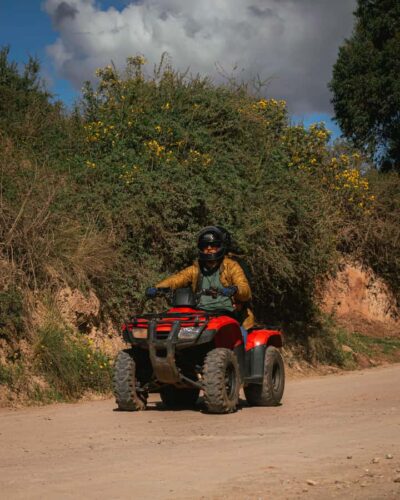 ★ 4.7From Cusco: Quad bike tour Moray and Salt MinesFrom $27314 reviews
 ★ 5.0From Cusco: Moray, Maras Salt Mines & Chinchero Weavers Half-DayFrom $15126 reviews
Browse the lists this tour appears in