
REVIEW · SACRED VALLEY TOURS
Sacred Valley – Pisac and Ollantaytambo day tour
Sacred Valley in one efficient day. I love the small-group attention and the chance to see classic Inca engineering at Pisac and the fortress-city of Ollantaytambo, and you also get a genuinely memorable stop at an animal rescue center with alpacas, llamas, and vicuñas. One thing to plan for: admission and meals aren’t always included, and there may be optional shopping stops depending on timing and your group.
This trip works well because the guides tend to bring more than facts. If you get someone like Luis or Gary, you’re likely to hear story-driven context about Quechua language, Inca life, and how people adapted to the Andes, not just a timed script.
Finally, the logistics matter. You’ll start early and you’ll be walking, including a climb at Ollantaytambo, but the payoff is strong—and if you’re continuing toward Machu Picchu, the tour can end at Ollantaytambo station in time for later trains.
Key things to know before you go
- Animal rescue stop at Manos De La Comunidad, with alpacas, llamas, and vicuñas (admission free)
- Taray viewpoint for classic Sacred Valley photos, included as a short photo break
- Pisac ruins focus: terraces, ceremonial areas, and the Temple of the Sun (Pisac park admission not included)
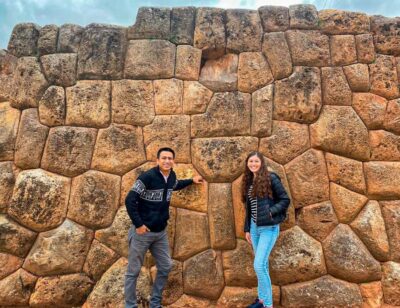
- Ollantaytambo payoff: massive stone architecture plus agricultural terraces and strong history of resistance
- Machupicchu train flexibility: end at Ollantaytambo station at 3:00pm or 4:00pm (or guaranteed timing for trains from 15:37 onwards)
- Value depends on your choices: basic vs all-inclusive upgrade changes how you budget for entrance fees and lunch
In This Review
- How the day flows: early pickup, a full 9-hour run, and Machu Picchu train timing
- What small-group guiding feels like: English-speaking guide and max-15 group size
- Manos De La Comunidad animal rescue: alpacas, llamas, and vicuñas up close
- Taray Mirador: the short photo break that actually earns its spot
- Pisac ruins at the archaeological park: terraces, temples, and the Temple of the Sun
- Pisac village market and artisan stops: buy if you want, skip if you don’t
- Urubamba lunch: budgeting lunch out of pocket (and when the upgrade helps)
- Ollantaytambo archaeological park: the fortress-city and the climb
- Ending at Ollantaytambo station: a smart move for your Machu Picchu plan
- Price and value: $29 basic tour versus the all-inclusive upgrade
- Practical tips that make this day easier: shoes, cash, altitude, and keeping your bag close
- Should you book this Sacred Valley day tour?
- FAQ
- What’s included in the $29 tour price?
- Are meals included?
- Do I need to pay entrance fees?
- How long is the tour?
- Can I go to Machu Picchu right after this tour?
- How big is the group?
- What happens at the animal rescue center?
- Do I need my passport?
- Is free cancellation available?
How the day flows: early pickup, a full 9-hour run, and Machu Picchu train timing
This is built as a long-but-manageable day. Expect roughly 9 hours total, with a morning hotel pickup in Cusco and a return around 6pm. The pace is “see the highlights, don’t waste time,” which is great if you’re trying to hit the Sacred Valley without turning your day into a bus marathon.
Where it gets really useful is the end time. The tour can end at Ollantaytambo station at either 3:00pm or 4:00pm, so you can head onward toward Aguas Calientes. If you’re taking a train to Machu Picchu, the operator states they can end at Ollantaytambo train station so you can take trains from 15:37pm onwards.
If you’re not doing Machu Picchu that day, you’ll finish at Ollantaytambo and then return to Cusco. It’s a smart split: one day, two different travel plans, same core sights.
More of the Sacred Valley, village by village
- Sacred Valley: Chinchero, Moray, Ollantaytambo & Pisac+Lunch★ 4.8 · 501 reviews
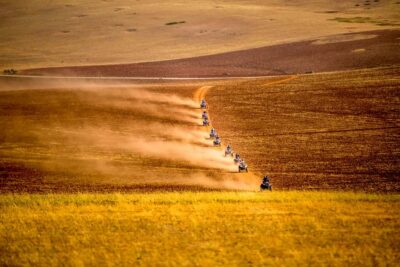
- Sacred Valley: Maras & Moray by Quad Bike from Cusco★ 4.6 · 418 reviews
- From Cusco: 2-Day Trip to the Sacred Valley and Machu Picchu★ 4.6 · 265 reviews
- Full-Day Excursion to Sacred Valley, Pisac and Ollantaytambo from Cusco★ 4.5 · 174 reviews
What small-group guiding feels like: English-speaking guide and max-15 group size
The big advantage here is the group size. The tour notes walking time max 10 people, and the overall max is 15 travelers. That’s not tiny, but it’s small enough that your guide can actually answer questions without shouting.
In the best cases, the guide is the reason it feels personal. In the experiences shared with this tour, names like Luis, Gary, Fabrizio, Bernardo, Michael, René, and Flor pop up, and the common thread is active storytelling and practical help. People talk about guides who explain what you’re seeing, why it mattered, and even how Quechua connects to the place.
You’ll likely also get some real-world flexibility. One recurring theme is that guides will adjust plans when possible—like helping a group coordinate lunch timing or making sure everyone knows the next step if you’re going to a station.
Manos De La Comunidad animal rescue: alpacas, llamas, and vicuñas up close
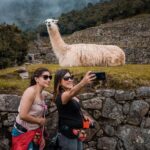
Your first real stop is Manos De La Comunidad, an animal rescue center. You get about 30 minutes, and admission here is listed as free. This isn’t just a photo op. You’re at a local sanctuary/community-supported place, and the idea is to help native Andean camelids—alpacas, llamas, and vicuñas are specifically mentioned.
What makes this stop valuable is the emotional payoff with almost no travel friction. The park is local, the animals are real, and you don’t need to be a hardcore animal person to enjoy it. If you want to interact, you should still follow the guide’s cues on where to stand and how close you can get.
Also, keep expectations grounded. This stop may include a small on-site shop area because it supports the community and families. The tour format emphasizes that it’s optional—so treat it like a chance to learn and support, not a requirement.
Taray Mirador: the short photo break that actually earns its spot
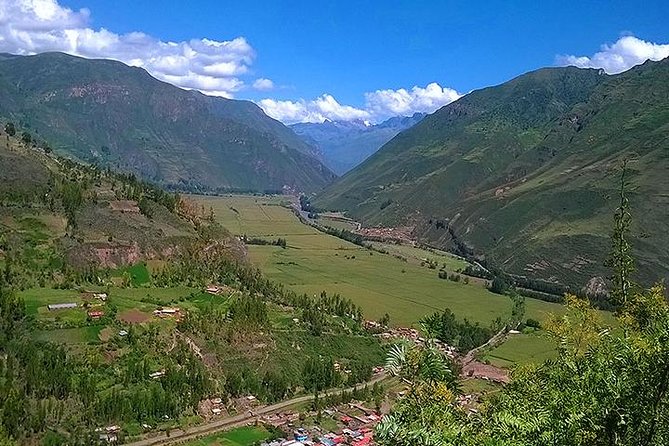
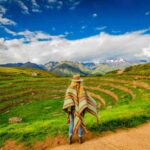
Next comes a viewpoint: Mirador Taray (Taray Viewpoint). It’s short—around 15 minutes—and admission is listed as free.
Why it matters: this kind of viewpoint is where you can understand the Sacred Valley without buying a souvenir of it. You’ll get that classic sense of depth—fields, terraces, and valley walls spreading out below. It’s also the kind of stop where good timing can make your photos better, since you’re not squeezing this shot at the end of a long day when everyone’s tired.
Bring your phone battery down here if you’re going to rely on it for photos. Also, quick tip: hold your camera ready before you reach the actual viewpoint area; it’s easy to miss that one angle while you’re stowing things.
Pisac ruins at the archaeological park: terraces, temples, and the Temple of the Sun
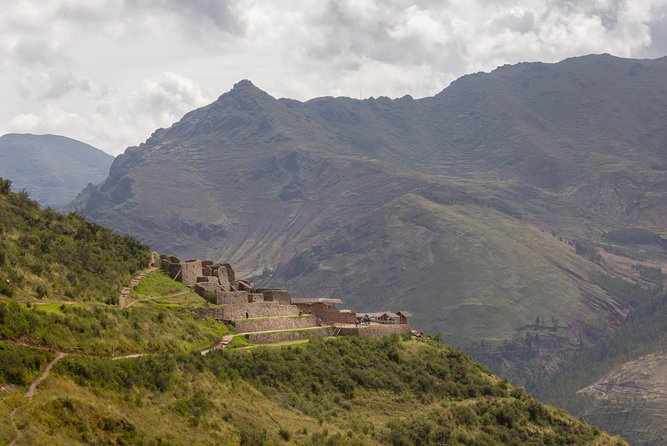
Then you hit the big historic ticket: Parque Arqueologico Pisac. The time budget is about 30 minutes, and Pisac archaeological park admission isn’t included in the standard inclusions.
What you should look for (and what makes this stop hit hard):
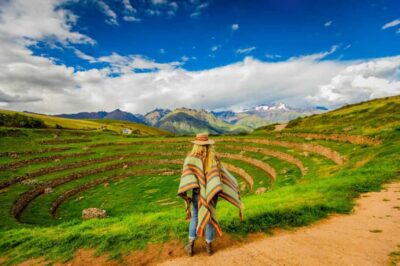
- Agricultural terraces showing Inca engineering
- A ceremonial center
- The Temple of the Sun
- Structures that read as homes, altars, and ritual areas
- Carvings, channels, and even tunnels/caves that reflect how they worked with the terrain
This is also one of those sites where the guide matters. A guide like Luis or Bernardo (names that show up with this tour) tends to explain not only what the stones are, but how the Incas used the landscape for water and farming. You’ll walk a bit and look a lot—less “museum lecture,” more “standing in the middle of the story.”
A practical caution: 30 minutes is enough to see a lot, but it’s not enough to linger everywhere. If you’re the type who wants slow photos at every angle, you’ll either need to prioritize or accept that you’ll come away with a short list of must-sees.
More Pisac and Ollantaytambo ruins

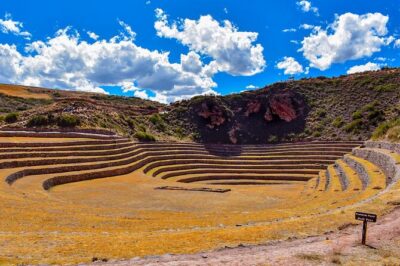
Pisac village market and artisan stops: buy if you want, skip if you don’t
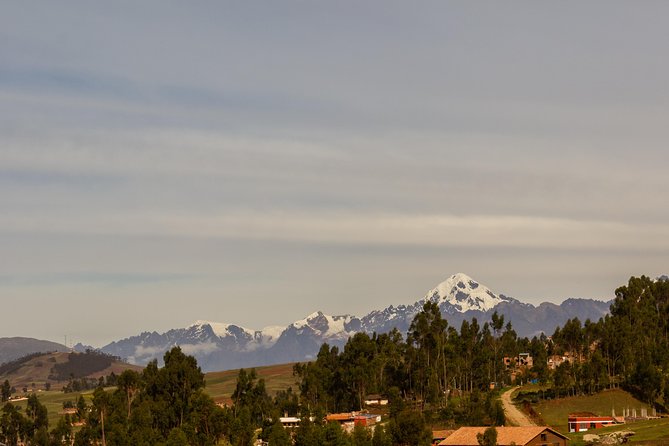
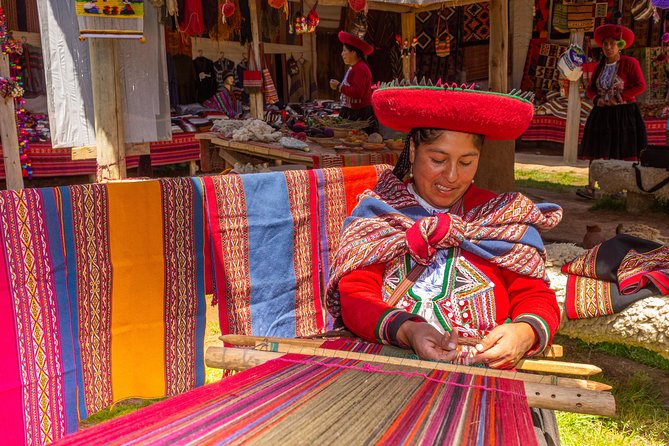
After the ruins, you’ll go into the Pisac village market area. This is where you can buy souvenirs and see daily market life. The tour keeps this as a flexible stop: you can browse and pick up handicrafts if you want.
Here’s the balanced reality: some of these experiences can drift into sales-oriented stops. In the feedback connected to this tour, there are mentions of optional artisan shopping areas—like weaving-related demonstrations and also jewelry/silver merchant stops. Those weren’t described as mandatory, but they can eat time if you don’t care.
My advice is simple:
- If you want local craft, go in with a curiosity mindset and enjoy the process.
- If you’re price-sensitive, treat it as a quick look and move on.
- If you hate shopping stops, tell your guide early. Small-group guiding often allows small adjustments.
Urubamba lunch: budgeting lunch out of pocket (and when the upgrade helps)
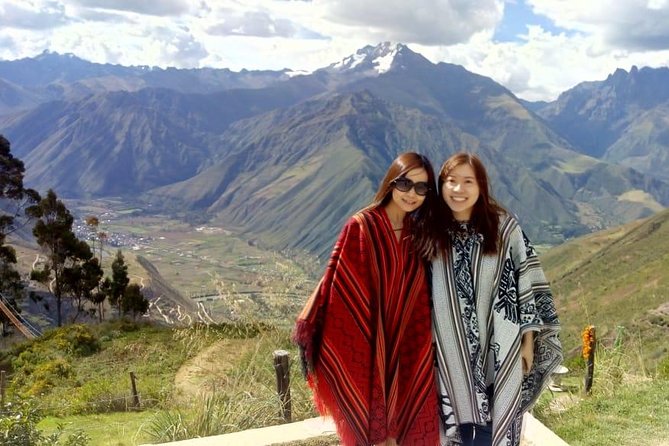
Lunch happens in Urubamba, and it’s scheduled for about 1 hour. This is own expense as listed. There’s a buffet option, and the tour mentions it as an Andean buffet lunch.
Pricing detail isn’t fixed in the main info, but one shared note puts typical buffet lunch around US$16, while another mentions buffet lunch costs around 60 Sol per adult and 45 Sol per child. Since costs can shift, your best move is to carry some cash in Peruvian Soles and treat lunch as a planned extra.
Also note how the area works. Restaurants are not all in one cluster, and the tour explanation says some are 5 to 7 minutes away from each other. That means you may not be able to stroll to cheaper options whenever you want.
If you book the all-inclusive or upgraded option, the pitch is that it includes admission and lunch. That can be good value if you know you’ll want to pay for entrances anyway. But the best strategy is to confirm exactly which sites are included before you commit, since different packages can cover different combinations of fees.
Ollantaytambo archaeological park: the fortress-city and the climb
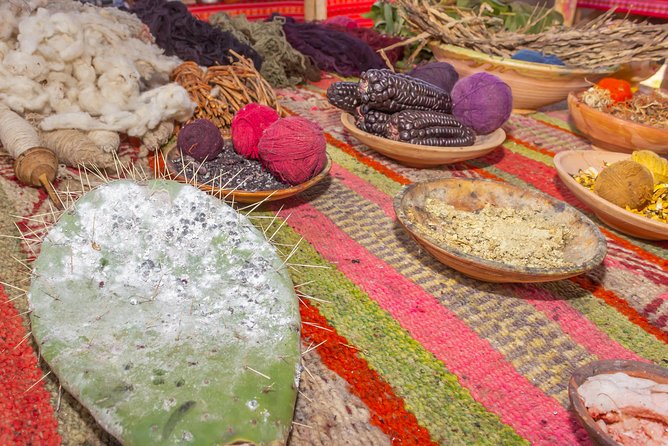
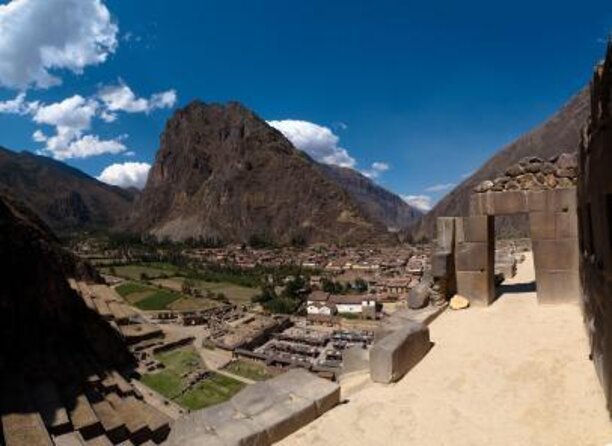
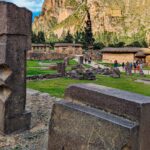
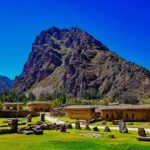
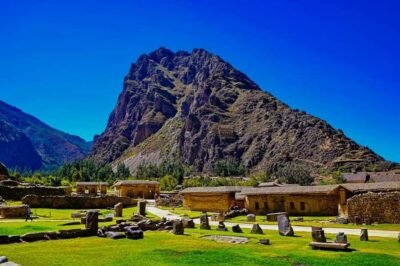
This is the headliner for many people. Ollantaytambo is an Inca fortress and a religious sanctuary with the feel of a living city. The tour schedule gives you about 1 hour, with Ollantaytambo admission not included (as listed).
What you’re seeing here:
- Huge stone architecture
- Agricultural terraces
- Dramatic valley views from higher points
- A historical story of Inca resistance against the Spanish conquistadors
The main physical consideration: there can be a strenuous climb depending on how much you push upward and how slippery the surfaces are. Some people specifically call out the climb feeling tough near the top, especially toward the end of a long day.
If you’re visiting soon after arriving in Cusco, go slower than your instincts. Take breaks, keep your breathing steady, and don’t try to “win” the hill. Your brain and legs will thank you.
Ending at Ollantaytambo station: a smart move for your Machu Picchu plan
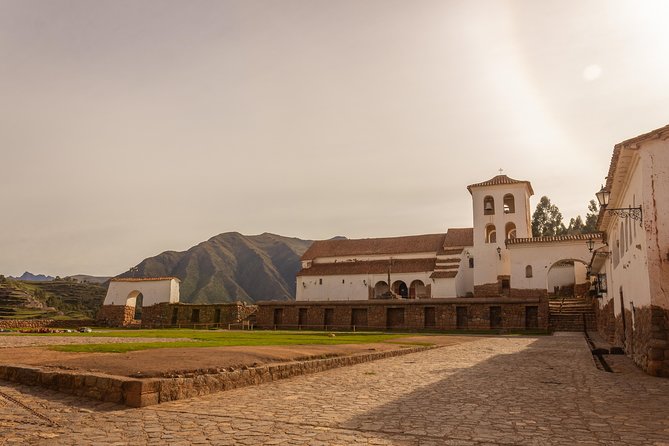
If your goal is Machu Picchu the same general window, this tour’s timing is meant to save you time. The tour offers an option to end at Ollantaytambo train station at 3:00pm or 4:00pm.
One stated goal is that if you’re taking the Machu Picchu route, the tour can guarantee ending at the station so you can take trains from 15:37pm onwards. That’s the difference between rushing and actually enjoying the last site.
Practical tip: even if you feel confident, keep your train details in your notes (time, platform if relevant, and the ticket type). Then let your guide know you need extra time buffer for photos or bathroom breaks. Small groups make that kind of request easier.
Price and value: $29 basic tour versus the all-inclusive upgrade
At $29 per person, the base price is low for a day that includes transport, hotel pickup/drop-off, and an English-speaking guide. But you should read the fine print in your own head: meals and many site admissions are not automatically included.
So what’s the value?
Basic package value tends to make sense if:
- You’re okay paying site entry fees separately in Soles
- You want to choose where to eat
- You don’t want any surprises around lunch or admission coverage
All-inclusive upgrade value tends to make sense if:
- You prefer “pay once, relax”
- You’re confident you’ll use the included entrances
- You’d rather not calculate fees during your trip
One caution worth taking seriously from the shared experiences: there are comments criticizing upgrade pricing when the package coverage didn’t match expectations. The lesson for you: before paying for an upgrade, ask what exactly it includes and which attractions your day covers.
Practical tips that make this day easier: shoes, cash, altitude, and keeping your bag close
This is a full-day mix of walking and driving, and it runs on morning energy. Here’s how to make it feel smoother:
- Wear good shoes. Ollantaytambo can mean steep steps and uneven stone. If it’s wet, go extra careful.
- Bring cash in Soles. Some entrance fees and shop areas can be cash-based, and the tour notes indicate admissions not always included.
- Start with a real breakfast. The schedule strongly suggests breakfast at your hotel before departure.
- Plan for a long photo day. If you want more time for views, ask your guide when you arrive—especially around viewpoint moments.
- Keep your belongings close. There’s at least one account of items left on a vehicle during a rushed departure caused by traffic. That doesn’t have to happen to you, but the rule is: phones, wallets, and jackets stay in your control.
Altitude can sneak up. Even when people report no major issues doing this on a first full day in Cusco, you should still treat steep moments as optional battles. Take it slow. That’s how you keep the day enjoyable.
Should you book this Sacred Valley day tour?
Book it if you want a focused introduction to the Sacred Valley in a single day, with real Inca sites (Pisac and Ollantaytambo), plus a memorable community-supported animal rescue stop. This is especially worth it if you appreciate guided context—people connected to this tour talk about guides like Gary and Luis offering history that’s tied to what you’re standing in.
Skip or rethink it if you hate shopping stops or you strongly dislike paying entry fees separately. In that case, either confirm what the upgrade includes before booking, or choose the basic option and budget for admissions and lunch so you feel in control.
For the best day, go in with a simple goal: see the ruins, take the photos, learn what you can, and keep your expectations clear about time at markets and artisan areas. Do that, and this trip delivers a lot of Sacred Valley for a very reasonable price.
FAQ
What’s included in the $29 tour price?
The tour includes hotel pickup and drop-off in Cusco, transport, an English-speaking guide, a walking tour (max 10 people), and 1 bottle of water. There’s also an option to end at Ollantaytambo train station (3:00pm or 4:00pm) for onward travel.
Are meals included?
Meals aren’t included. Breakfast is your responsibility (the tour recommends having it at your hotel). Lunch in Urubamba is own expense unless you choose an all-inclusive upgrade that includes lunch.
Do I need to pay entrance fees?
Entrance fees aren’t included in the basic listed inclusions. For example, Pisac archaeological park admission is listed as not included, and Ollantaytambo also lists admission as not included.
How long is the tour?
It runs about 9 hours on average, with return to Cusco around 6pm.
Can I go to Machu Picchu right after this tour?
Yes. If you’re taking a train to Aguas Calientes (Machupicchu pueblo), the tour can end at Ollantaytambo train station, with trains available from 15:37pm onward. You can also choose to end there at 3:00pm or 4:00pm.
How big is the group?
The tour notes a maximum of 15 travelers. It also specifies that the walking tour is max 10 people.
What happens at the animal rescue center?
You visit Manos De La Comunidad to see native Andean camelids, including alpacas, llamas, and vicuñas. The stop is about 30 minutes, and admission is free.
Do I need my passport?
Yes. A current valid passport is required on the day of travel.
Is free cancellation available?
Yes. You can cancel for a full refund up to 24 hours in advance of the experience’s start time, based on local time.
More Tour Reviews in Cusco

More Pisac and Ollantaytambo

Deeper Into the Sacred Valley

Recent write-ups from around Cusco, just off the trail
- Cuzco: Rainbow Mountain Excursion
★ 5.0 · 3 reviews - 1 day excursion to Qeswachaka bridge and the 4 lagoons
★ 3.6 · 3 reviews - Waqrapukara 1 day trekking + meals
★ 3.9 · 3 reviews - Valle Sur Cusco | half day
★ 4.3 · 3 reviews - Full-Day Condor Viewpoint & Inca Sites Tour
★ 5.0 · 3 reviews
Sacred Valley Tours, compared.
 ★ 4.8From Cusco: Sacred Valley & Maras Salt Mines Tour with LunchFrom $282,227 reviews
 ★ 4.6Sacred Valley, Pisac, Ollantaytambo, Salt Mines MorayFrom $281,058 reviews
 ★ 4.8Sacred Valley: Chinchero, Moray, Ollantaytambo & Pisac+LunchFrom $25501 reviews
 ★ 4.6Sacred Valley: Maras & Moray by Quad Bike from CuscoFrom $39418 reviews
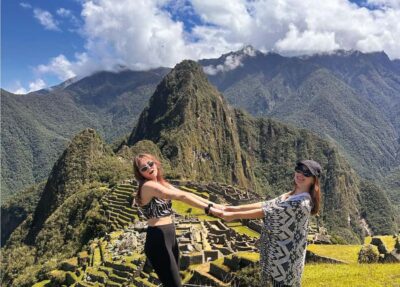 ★ 4.6From Cusco: 2-Day Trip to the Sacred Valley and Machu PicchuFrom $370265 reviews
 ★ 4.8Sacred Valley Pisaq,Ollantaytambo,Chinchero with LunchFrom $28183 reviews
 ★ 4.5Full-Day Excursion to Sacred Valley, Pisac and Ollantaytambo from CuscoFrom $47174 reviews
 ★ 5.0Food and Culture Full day Tour in the Sacred ValleyFrom $200144 reviews
Browse the lists this tour appears in