
REVIEW · CUSCO CITY & SACSAYHUAMAN
Sacsayhuaman Temple, Tambomachay and Puca Pucara Half-Day Tour
Cusco’s Inca ruins are closer than you think. This half-day route threads together four major sites outside the city, using an air-conditioned minivan and a small group size (max 14) so you can cover a lot without feeling like you’re speed-walking history in circles.
You start at 8:00 am, which matters in Cusco because the lines and crowds can turn your photos into a waiting game.
I really like two things about this tour. First, transport between sites saves you time and altitude fatigue compared with hopping around by taxi or bus on your own. Second, the admission tickets for the archaeological park are handled ahead of time, so you can focus on the ruins instead of standing around.
One drawback to consider is pacing. Even though the tour is listed at about 3 hours, some days can feel rushed—especially at places other than Sacsayhuaman—or you might lose a chunk of time to an extra textile/alpaca shop stop that isn’t your main goal.
In This Review
- Key Points That Matter Before You Go
- Four Cusco Sites, One Efficient Morning
- Sacsayhuaman: The Massive Stones and Panoramic Cusco Views
- How to make the most of your time here
- Q’enqo: Rock Passages, Sacrifice Altar, and Limited Access Reality
- Puca Pucara: The Red Fortress and Water Features
- Tambomachay: Springs, Water Channels, and Ritual Meaning
- Price and Value: What $69 Buys You (and What It Doesn’t)
- Guide Quality: When Explanations Turn Ruins Into Stories
- Timing, Transport, and How to Plan Your Cusco Day
- Weather tip that’s not optional
- Textile and Alpaca Shop Stops: How to Keep Control of Your Time
- Who This Tour Fits Best (and Who Might Prefer a Taxi)
- Should You Book This Sacsayhuaman, Tambomachay, Puca Pucara and Q’enqo Half-Day Tour?
- FAQ
- What sites are included in this half-day tour?
- How long is the tour?
- What time does the tour start?
- Is admission included?
- Do I need to wait in long lines for tickets?
- Will I have a guide in English?
- How big is the group?
- Is Q’enqo fully accessible?
- Do textile or alpaca shop stops happen?
- What should I wear or bring?
Key Points That Matter Before You Go
- 8:00 am start to beat the biggest crowds at the most popular ruins
- Small group (up to 14) for a calmer experience and easier questions
- Prebooked entry tickets mean fewer line delays at the sites
- Sacsayhuaman gets the star treatment with time on the terraces and massive stonework
- Q’enqo access may be limited, so plan to adjust expectations
- Some departures may include a textile/alpaca stop, which can affect how long you stay at the ruins
More Cusco city and Sacsayhuaman walks
- City Tour Cusco Qoricancha Sacsayhuaman y Tambomachay★ 4.7 · 617 reviews
- Cusco: Sightseeing Tour of the City on an Open-Top Bus★ 4.0 · 481 reviews
- Open Bus Cusco City Tour★ 4.5 · 219 reviews
- Cusco: City Tour | Half-Day Tour to 4 Archaeological Sites★ 4.6 · 206 reviews
Four Cusco Sites, One Efficient Morning
This is built for travelers who want Inca Cusco without giving up their whole day. You’re picked up from your hotel and whisked into the surrounding hills in a climate-controlled minivan. From there, you hit four sites that are tied to different sides of Inca life: ceremony, astronomy/ritual space, defense, and water systems.
What makes this kind of tour work is simple: the sites are spread out and each one sits on its own awkward hilltop terrain. Going independently is doable, but it costs you time and mental energy. On this route, the driving is handled, the entry tickets are prearranged, and your guide keeps you moving in a logical order.
Sacsayhuaman: The Massive Stones and Panoramic Cusco Views
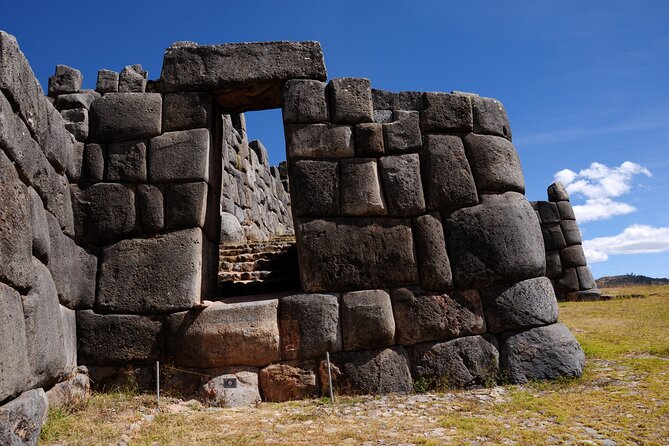
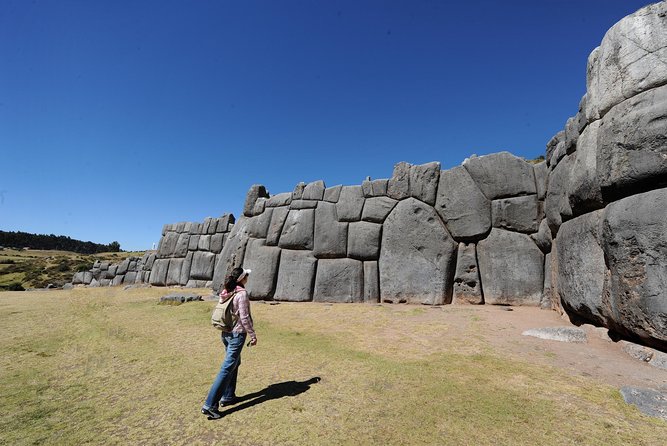
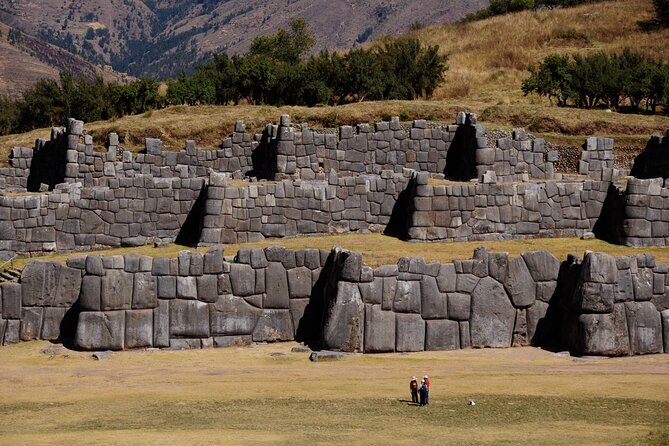
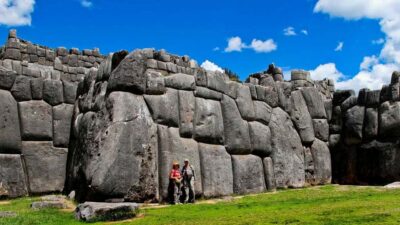
Sacsayhuaman is the reason many people book this tour in the first place. You start here, and that’s smart. It’s one of the most impressive examples of Incan engineering around Cusco, and it’s also the one that benefits most from early arrival before the crowds lock in.
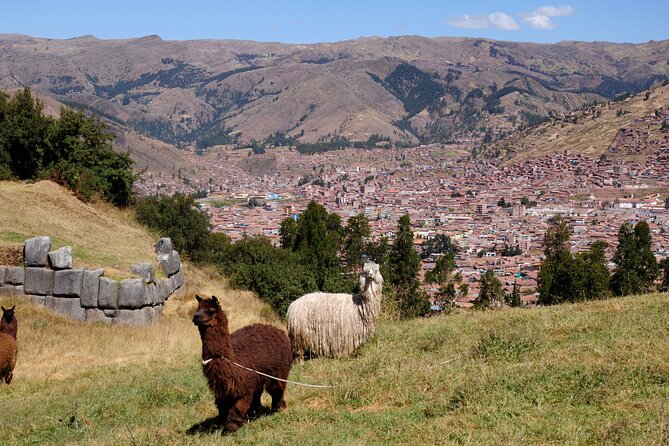
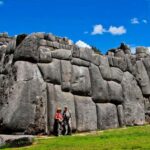
Expect three levels of fortress-like terraces and huge stone blocks that look almost too heavy to move—yet they’re part of a system designed to hold, channel, and symbolize power. The site sits above the city, so you get wide views over Cusco before you even start walking the ruins. I’d treat those views as part of the visit, not just a photo stop.
A few details worth looking for as you walk:
- The remains of structures on different levels, including a tower area you’ll want to circle slowly
- The way the terraces shape movement across the site—paths feel planned, not random
- Carvings and animal shapes that are tied to symbolism in the Incan world
How to make the most of your time here
This is the stop where you should slow down. If your group feels rushed, this is the moment to ask a question and linger by the stones you find most interesting. The better your guide’s explanation is, the more you’ll notice: not just “wow, big rocks,” but why the layout mattered.
Q’enqo: Rock Passages, Sacrifice Altar, and Limited Access Reality
After Sacsayhuaman, you move to Q’enqo, a carved rock shrine known for winding passages and a central altar. This site is the “ceremony and ritual” chapter of the route. You’re dealing with a place designed into the rock—less about broad terraces and more about chambers, stairways, and channels that were part of ritual use.
Here’s the catch: Q’enqo access may be limited at times. The tour information you’ll see indicates the altar area isn’t accessible right now due to COVID-related restrictions. That doesn’t make the stop pointless, but it can change what you can walk through and how much time you get.
Even with restricted access, you can still expect a panoramic view from the top labyrinth area. If you love archaeology that feels sculpted into place, Q’enqo can be one of the more memorable stops because it’s so “Inca” in how it’s worked directly into the stone.
Puca Pucara: The Red Fortress and Water Features
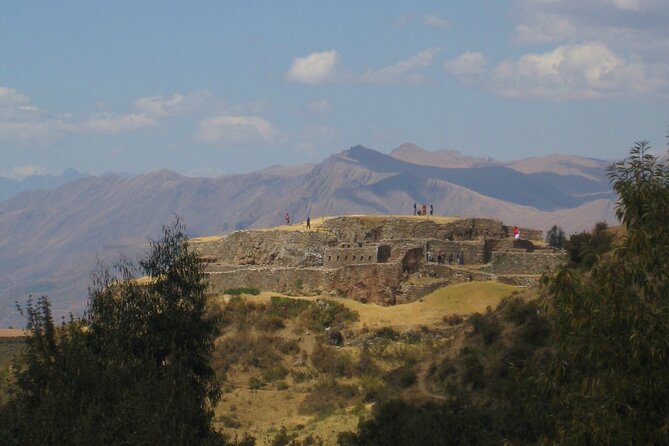
Puca Pucara is smaller than Sacsayhuaman, but it has a different energy: defense and surveillance. The name points to its look—red fortress—and the site functioned as a military and lookout complex. It helped protect Cusco and Sacsayhuaman, and it also served as a checkpoint in earlier times.
What you’ll want to watch for:
- Stone walls and lookout points on a hilltop
- Aqueducts and water features that show the Incas weren’t just building for war—they were engineering daily life too
- The overall “watchtower” layout that makes you understand why this spot mattered strategically
This stop is often the easiest one to enjoy even if the group pace is a bit quick. You can still get a good sense of the site’s purpose without needing a long walk.
Tambomachay: Springs, Water Channels, and Ritual Meaning
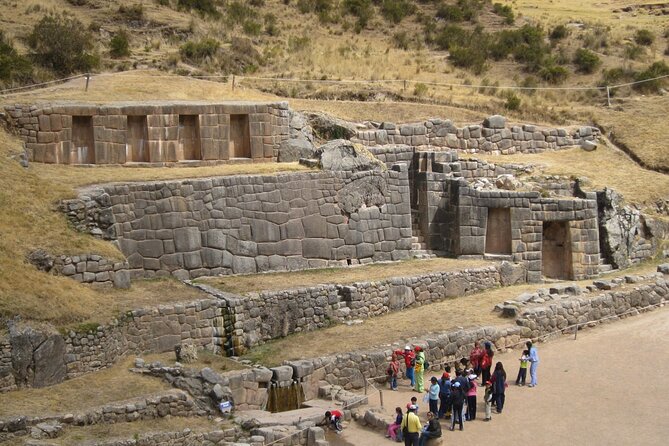
Then you end with Tambomachay, built around natural springs and water channels. This is the water-and-ritual chapter, and the name fits the vibe: you’re looking at architecture shaped around flowing water.
Tambomachay’s water systems come from inside the mountain, and the meaning attached to that water was tied to youth and luck in Inca thinking. Your guide should help connect what you see—channels, spring structures, and the overall ceremonial setup—to how the Incas used water in their belief life.
Why I like ending here: it’s calmer. After the fortification focus of Sacsayhuaman and the defense angle of Puca Pucara, Tambomachay feels like a relief. You’re walking less like you’re scanning an enemy approach and more like you’re observing a sacred resource.
Price and Value: What $69 Buys You (and What It Doesn’t)
At $69 per person for about 3 hours, the value depends on how you feel about structure and time. This price includes:
- A live bilingual guide in Spanish and English
- Hotel pickup and drop-off
- Admission tickets handled for the archaeological park sites (listed as four sites)
That bundled entry piece can matter. In Cusco, waiting around for tickets is time you can’t get back—especially if you want a later lunch and a relaxed afternoon.
But also be realistic. This isn’t a slow, all-day archaeological seminar. It’s a “hit the highlights efficiently” plan. If you’re the kind of traveler who wants to sit with one terrace for 45 minutes and really read the story in the stone, you might feel the need to return later (or supplement with a taxi day).
Guide Quality: When Explanations Turn Ruins Into Stories
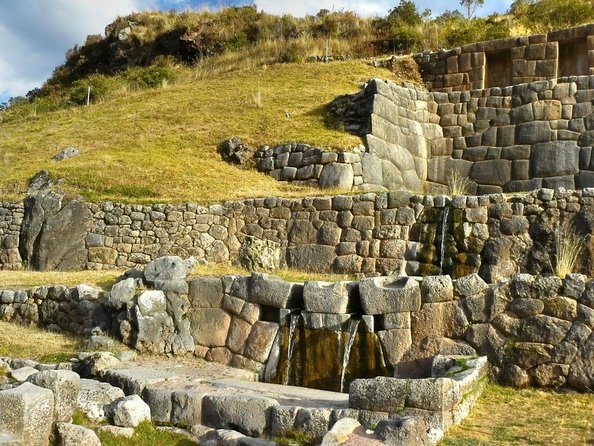
The guide can make a huge difference here, and the reviews pattern is clear: when guides explain well, Sacsayhuaman especially feels like more than a scenic hill. You start spotting symbolic carvings and understanding how Inca design tied physical space to belief and power.
You’ll also feel the difference when your guide matches the group pace. Some guides handle the route smoothly and keep time balanced. Others can rush or spend more time on non-core stops.
If you’re trying to judge guide quality before you go, use a simple strategy on day one: ask one specific question during the first stop—something you’ll be thinking about anyway, like how the terraces were meant to function or what symbols to watch for. If you get a clear, confident answer, the rest of the tour tends to run better too.
Timing, Transport, and How to Plan Your Cusco Day
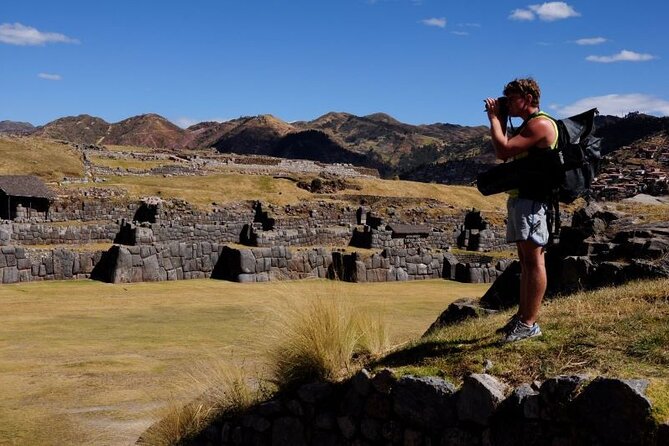
This is scheduled to begin at 8:00 am, which is ideal for Sacsayhuaman. Early is the difference between a ruin you can breathe in and a ruin where you’re waiting for your turn to stand somewhere.
Transport is by air-conditioned minivan. Reviews also describe vehicles as comfortable and clean, and the group size stays small (up to 14). If your hotel sits in a restricted vehicle zone, pickup may be at an accessible nearby point—so don’t assume the van will stop exactly at your hotel door.
Your tour ends with drop-off back in Cusco. That makes it a practical choice if you want time afterward for lunch, a stroll in the city, and maybe shopping. A few people report doing this early and still having a relaxed afternoon, which is the whole point of a morning half-day.
Weather tip that’s not optional
Cusco ruins involve steps and uneven stone. If you visit in the rainy season, plan for slippery surfaces. A hat and sunscreen also matter because high-altitude sun can burn you fast—even when the day feels cool at the start.
Textile and Alpaca Shop Stops: How to Keep Control of Your Time
A few departures appear to add time for a textile/alpaca shop stop. This isn’t presented as the main itinerary focus, and you should assume it could affect how long you spend at the ruins if timing runs tight.
Here’s how I’d handle it:
- Treat it as optional mental baggage, not part of the archaeology plan
- If you’re not there to shop, ask how long the stop will take before you get pulled in
- If the group is short on time at the ruins, prioritize using your guide’s attention at the sites—not at a sales counter
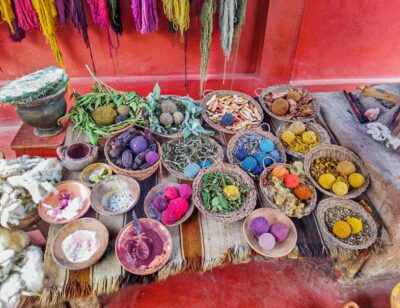
If shopping for alpaca-wool products is your thing, you may enjoy learning the differences between fibers and seeing how pricing works. Just know you can easily trade 20–30 minutes of ruins time for a scarf you didn’t plan to buy.
Who This Tour Fits Best (and Who Might Prefer a Taxi)
This tour works best if:
- You want to see four major Inca sites without figuring out routes and timing
- You like early starts and prefer a guided explanation over self-guided wandering
- You have limited time in Cusco and want a solid overview day
It may feel less ideal if:
- You want extended time at only one site (like lingering deep at Sacsayhuaman)
- You hate being on a schedule and dislike any extra stop that isn’t a ruin
- You’re expecting Q’enqo to look and feel fully accessible, especially right now when access may be limited
If you’re the do-it-yourself type, a taxi day can be more flexible. But for most visitors, this route is a practical compromise: guided, efficient, and still focused on real archaeological places.
Should You Book This Sacsayhuaman, Tambomachay, Puca Pucara and Q’enqo Half-Day Tour?
I’d book this tour if your priority is maximizing ruins in a short window and you want bilingual guidance to help you “read” the sites. The early start at Sacsayhuaman and the prearranged entry tickets make it feel efficient, and the small group size helps keep the vibe relaxed.
I’d think twice if your personal travel style is slow and deep at one location, or if you’re very sensitive to time changes. Also, be aware that Q’enqo access may be restricted, and some days can include a textile/alpaca stop that can eat into ruin time.
If you go in with the right mindset—early, comfortable shoes, sunscreen, and a willingness to take the tour’s pace—you’ll likely feel you got your money’s worth.
FAQ
What sites are included in this half-day tour?
You’ll visit four Inca sites around Cusco: Sacsayhuaman, Q’enqo, Puca Pucara, and Tambomachay.
How long is the tour?
The tour is listed at about 3 hours.
What time does the tour start?
It starts at 8:00 am.
Is admission included?
Yes. Admission tickets for the Archaeological Sacsayhuaman Park (four archaeological sites) are included.
Do I need to wait in long lines for tickets?
Tickets are prebooked, so you don’t need to spend time waiting in line for entry.
Will I have a guide in English?
Yes. The tour includes a live bilingual guide with Spanish and English service.
How big is the group?
The maximum group size is 14 travelers.
Is Q’enqo fully accessible?
The tour information states Q’enqo may not be accessible in the moment due to COVID-related reasons.
Do textile or alpaca shop stops happen?
Some experiences include a stop at a textile/alpaca shop, and this can affect how much time you spend at the ruins.
What should I wear or bring?
Wear comfortable shoes for uneven ground and steps. Bring sunscreen and consider a hat, since sun exposure in Cusco can be strong.
More Tour Reviews in Cusco


More of Cusco on Foot
Recent write-ups from around Cusco, just off the trail
- Cuzco: Rainbow Mountain Excursion
★ 5.0 · 3 reviews - 1 day excursion to Qeswachaka bridge and the 4 lagoons
★ 3.6 · 3 reviews - Waqrapukara 1 day trekking + meals
★ 3.9 · 3 reviews - Valle Sur Cusco | half day
★ 4.3 · 3 reviews - Full-Day Condor Viewpoint & Inca Sites Tour
★ 5.0 · 3 reviews
Cusco City & Sacsayhuaman, compared.
 ★ 4.6Half-Day City Tour with Sacsayhuaman and Q’encoFrom $131,129 reviews
 ★ 4.7City Tour Cusco Qoricancha Sacsayhuaman y TambomachayFrom $13617 reviews
 ★ 4.0Sightseeing Tour of the City on an Open-Top BusFrom $12481 reviews
 ★ 4.5Open Bus Cusco City TourFrom $14219 reviews
 ★ 4.6City Tour | Half-Day Tour to 4 Archaeological SitesFrom $29206 reviews
 ★ 5.0City Tour in Cusco & visit Museum South American Camelid Private.From $49147 reviews
 ★ 4.5Cusco City Sightseeing, San Pedro Market, Cathedral and Qorikancha TempleFrom $59139 reviews
 ★ 4.2Half-Day City TourFrom $17129 reviews
Browse the lists this tour appears in