
REVIEW · MARAS & MORAY SALT MINES
Salt Mines(Maras),Moray and Chincheros
One road trip, three Inca-era stops, and a working salt site. The mix here is what makes it fun: you go from everyday Andean life to experimental farming terraces, then end at Maras salt pans that locals still use. It’s a private tour with guided commentary, so you’re not just looking at ruins—you’re making sense of what you’re seeing.
I love how efficient it feels when it’s only your group. On a family tour, the guide named Franco kept things relaxed and well organized, and even stopped when the family wanted instead of rushing by the clock. I also like the practical pacing: each stop gets enough time (about 30–40 minutes), which is just right when you’re moving through Cusco-area sites for a half day.
The one consideration is cost and timing around entrances. Only the artesanías market stop has the ticket included, Moray and Chinchero entrances are not included, while Maras salt mines are free. Also, the tour needs good weather, so fog or heavy clouds can change plans.
In This Review
- Quick highlights you’ll feel right away
- Chinchero, Moray, Maras: why this route is worth your half day
- Getting started at Av. El Sol 920 and how the tour runs
- Stop 1: Mercado de Artesanías for alpaca-wool, handmade goods
- Stop 2: Chinchero’s archaeological complex and Andean trading
- Stop 3: Moray terraces and the idea of agricultural experimentation
- Stop 4: Maras salt mines, still working, still used by locals
- Transportation and guide value: why the private format matters
- Price and value: what $80 gets you (and what to budget for)
- Best for: who should book this tour
- Weather, minimums, and what to watch for
- Should you book Salt Mines (Maras), Moray and Chinchero?
- FAQ
- How long is the tour?
- Where does the tour start and end?
- What is the price per person?
- What is included in the tour price?
- Are entrance tickets included?
- What hours is the tour available?
- Is this a private tour?
- What if the weather is bad?
Quick highlights you’ll feel right away
- Private-group flexibility with live commentary, not a packed group shuffle
- Good time balance: quick but not rushed stops at Chinchero, Moray, and Maras
- A real working site at Maras, where locals still use the salt pans
- Local craft stop for alpaca-wool, handmade pieces at the Mercado de Artesanías
- Family-friendly pacing demonstrated on a tour for kids ages 7 and 12
- Smooth logistics with included transportation and a driver (Elder is mentioned by name)
More Maras salt pans and Moray terraces
- Cusco: Sacred Valley, Pisac, Ollantaytambo, Salt Mines Moray★ 4.6 · 1,058 reviews
- Cusco:Chinchero,Moray & Salt Mines drop-off in Ollantaytambo★ 4.8 · 793 reviews
- Sacred Valley: Chinchero, Moray, Ollantaytambo & Pisac+Lunch★ 4.8 · 501 reviews
- Sacred Valley: Maras & Moray by Quad Bike from Cusco★ 4.6 · 418 reviews
Chinchero, Moray, Maras: why this route is worth your half day
If you only have a few hours outside Cusco, this itinerary gives you variety without feeling chaotic. You’re not repeating the same kind of view over and over. Instead, you get three different ways the Andes used human ingenuity: trade and textiles in the Chinchero area, agricultural experimentation at Moray, and salt production at Maras.
You’ll also like the fact that it’s guided. Cusco-area ruins can be visually impressive but confusing if you don’t have context. Here, your guide helps you connect the dots while you’re standing there, so the time feels earned instead of spent.
Getting started at Av. El Sol 920 and how the tour runs
The tour starts and ends at Av. El Sol 920 (Cusco). That matters more than it sounds. Being close to a major road makes it easier to arrive, and ending back where you started means you don’t have to solve transport at the end of a long day.
Timing is also straightforward. This runs roughly 6 to 7 hours, and it operates Monday through Thursday, 7:00 AM to 3:00 PM. Bookings are commonly made about 25 days in advance, so if your dates are fixed, don’t wait until the last minute.
For value, this tour includes transportation and a tour guide. Entrance fees aren’t all included, though, so it’s smart to plan for that mentally before you go.
Stop 1: Mercado de Artesanías for alpaca-wool, handmade goods

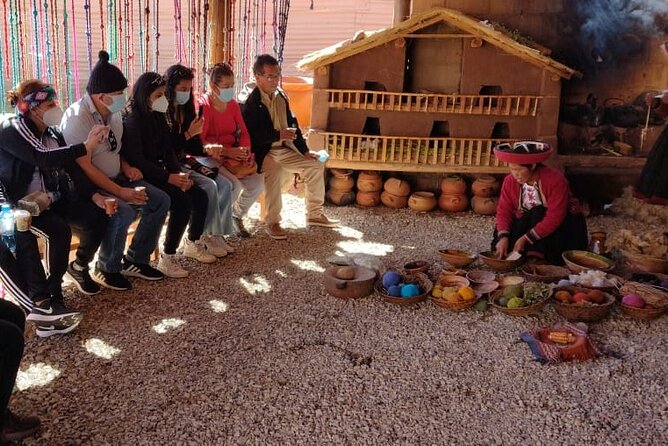
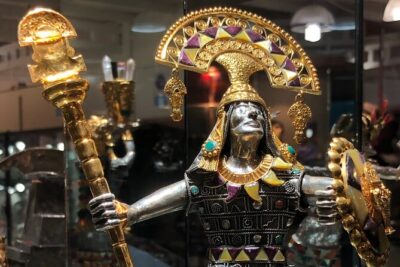
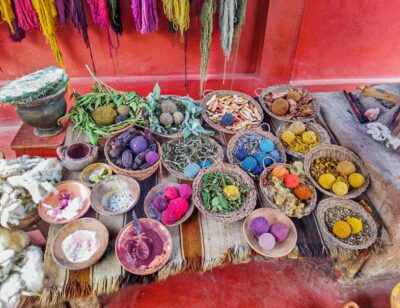
This first stop is at the Mercado de Artesanías, and it’s there for a reason: it grounds your day in what locals are making right now. You’ll find products in alpaca wool, handmade by local people. The idea isn’t to make this a long shopping spree. It’s more like a taste of material culture you can carry with you as you visit the other sites.
Expect around 40 minutes here, with the admission ticket included for this stop. That included ticket is a small but useful value point, since you’ll have to pay entrances elsewhere in the morning.
Practical tip: go with a browsing mindset. If you see something you love, ask questions about what it is and how it’s made. Even when you don’t buy, you’ll come away with a better sense of why alpaca products are such a big part of Andean life.
Stop 2: Chinchero’s archaeological complex and Andean trading
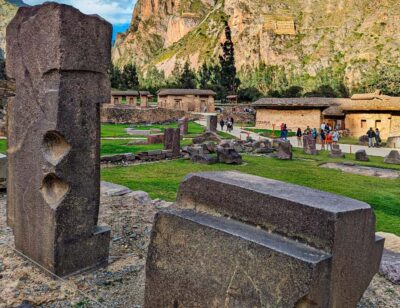
Next up is the Complejo Arqueologico Chinchero. This is one of those stops many people rush past or skip entirely, and that’s a shame because it adds a different flavor to the day.
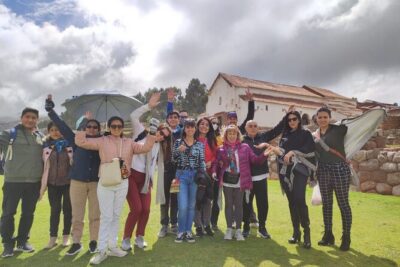
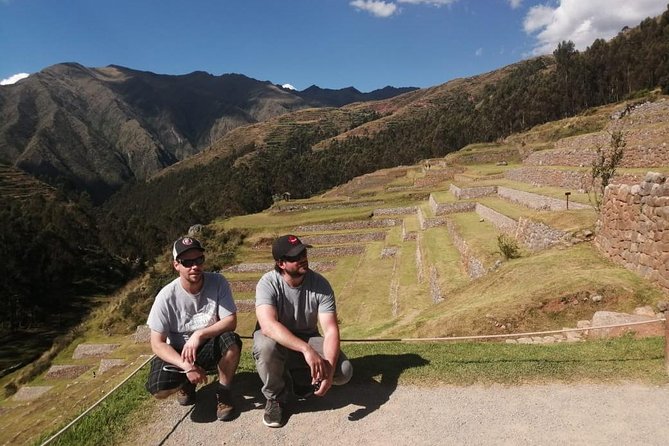
You’ll see an ancient local house associated with one of the famous rulers, Pachacuteq, and you’ll also get to see the area tied to Andean trading. So instead of only focusing on stone and architecture, you’re seeing a place that connects to how people moved goods and built relationships.
You’ll get about 30 minutes at Chinchero. Entrance is not included, so the day’s out-of-pocket cost can be a little higher than you expect unless you budget for it. Still, the short time window works well here—Chinchero is best when you have clear guidance and can focus on the key features your guide points out.
A consideration: 30 minutes can feel quick if you’re the kind of traveler who loves to linger and take photos all day. If that’s you, plan to treat this as a guided highlight stop. You can always return later on your own if you want extra time.
More Pisac and Ollantaytambo ruins
Stop 3: Moray terraces and the idea of agricultural experimentation
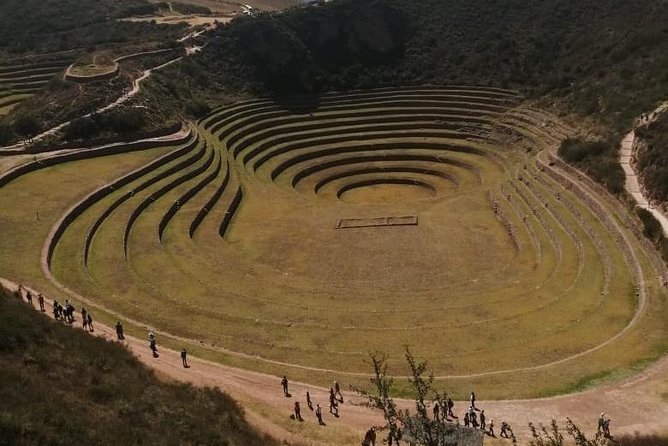
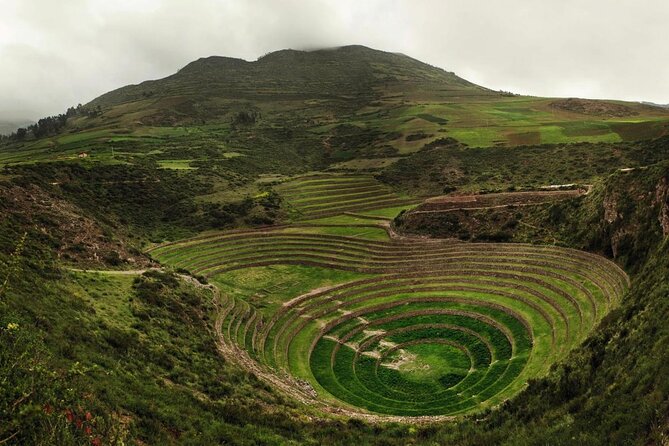
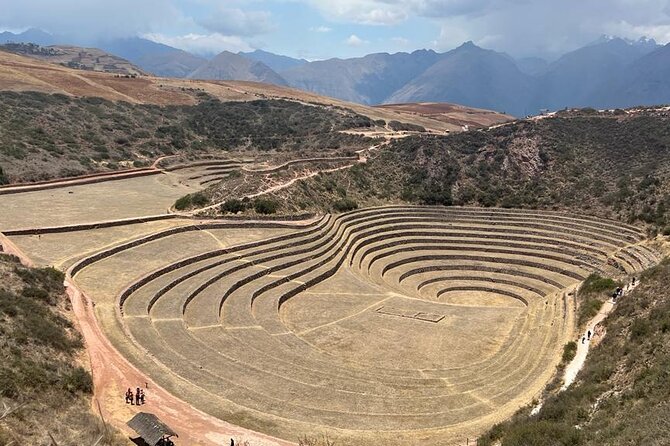
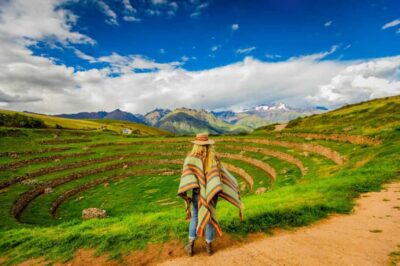
Moray is the star for many people, and it’s easy to see why once you understand what you’re looking at. It’s described as an agricultural experimental center, set into the mountains, where the main attraction is the terraced construction.
Moray isn’t just a set of pretty ruins. The terraces point to an approach—trying to grow crops under different conditions. That makes it feel more like applied thinking than just monument building. Standing in that space, you’ll probably find it easier to connect dots about how the Andes supported farming.
You’ll get about 40 minutes at Moray. Entrance is not included here either, so plan for that extra fee.
Why this stop is valuable: it turns ruins into a lesson about experimentation and adaptation. Even if you’re not the type who reads lots of plaques, a guide’s live commentary helps you interpret what the terraces likely meant and why the site still grabs attention.
One more practical note: Moray is a mountain setting. Dress for cool air, especially if morning fog is rolling in. Warm layers make the difference between enjoying the walk and feeling chilled.
Stop 4: Maras salt mines, still working, still used by locals
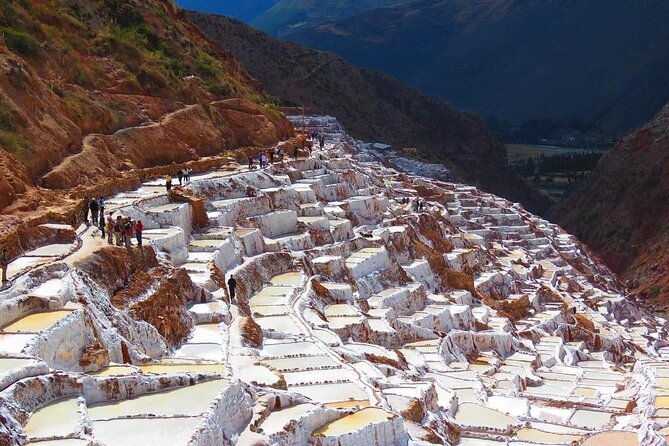
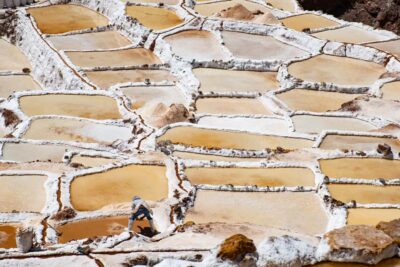
Then comes Maras, and it’s a totally different vibe from Moray. Here you’re at the Inca salt mines, and the big detail is that they’re still working and used by local people. That means you’re not only viewing history—you’re watching a current-day process.
You’ll spend about 1 hour at the salt mines. Entrance is listed as free for this stop, which is a real value win compared to the other sites where tickets aren’t included.
What makes Maras special is the visual rhythm of the salt pans. You see the process of salinization as part of everyday work. It’s also a strong contrast after the experimental terraces of Moray: one site shows farming trial and structure, while Maras shows production, maintenance, and labor that continues.
Practical tip: Maras is the kind of place where you’ll want to pause and look down as well as around. Bring a phone camera or small binoculars if you like details—your guide will help you know what to focus on.
Transportation and guide value: why the private format matters
This is where you tend to feel the money’s worth. You get private tour attention, plus live commentary from your personal guide, and all-inclusive transportation (included in the price).
In one review, the guide Franco and driver Elder were praised for a smooth, relaxed setup. Another highlight: in a family group of four, including kids, the guide didn’t count minutes like a strict timer. That tells you something important about how the tour can feel: not robotic, not rushed.
For you, the main advantage is flexibility. If you want to linger at Maras for photos, or if you want to focus longer on one terrace structure at Moray, private tours make that easier. Group tours sometimes treat stops like checkout lines. This one is more like guided time together.
The included transportation also cuts down on hassle. You’re not spending your morning figuring out rides, route logistics, or where to regroup if you go even slightly off schedule.
Price and value: what $80 gets you (and what to budget for)
The price is $80 per person. For a 6–7 hour private tour that includes transportation and a tour guide, that’s a fair deal for Cusco-area outings—especially when you compare it to the cost of cobbling together separate transport and timed guides.
But the value depends on entrance fees. Here’s how it breaks down based on what’s included:
- Mercado de Artesanías: ticket included (about 40 minutes)
- Chinchero: entrance not included (about 30 minutes)
- Moray: entrance not included (about 40 minutes)
- Maras: entrance free (about 1 hour)
So your total spend will likely be moderate, not only because Maras is free, but because only one stop has the entrance ticket included. If you’re trying to budget tightly, still bring a little extra cash or card space for the two non-included entrances.
Also note: the tour is commonly booked about 25 days in advance. If you want a specific day or you’re traveling in a busy season, planning ahead helps you actually get the slot.
Best for: who should book this tour
This tour is a great fit if you want:
- A private Cusco-area plan without the stress of coordinating transport yourself
- A half-day route that hits Chinchero, Moray, and Maras in one go
- Guided context so the sites feel meaningful, not random
It also seems to work well for families. The tour review mentioning kids aged 7 and 12 suggests the pacing can be comfortable for younger travelers too, especially when you have a guide who adjusts to your group.
If you’re traveling solo or as a couple, you’ll likely appreciate the flexibility most. If you’re in a group, you get the same benefit: only your group participates.
Weather, minimums, and what to watch for
This experience requires good weather. If conditions are poor, you’ll be offered a different date or a full refund. That matters in the Andes, where clouds can change visibility and overall comfort.
There’s also a minimum traveler requirement. If the minimum isn’t met, you’ll be offered a different experience/date or a full refund. That’s not unusual, but it’s worth keeping in mind if you’re on a tight schedule.
If you’re the type who hates uncertainty, choose flexibility-friendly dates and keep some buffer in your Cusco plans.
Should you book Salt Mines (Maras), Moray and Chinchero?
I’d book this if you want a smart, half-day route that feels guided and efficient. The combination works: alpaca crafting at the market, Pachacuteq-linked Chinchero and trading context, terraced Moray as an experimental farming lesson, then Maras as a working salt site that’s free to enter.
It’s not ideal if you expect every entrance cost to be included, because Chinchero and Moray entrances are not included. And if you’re set on a slow, photo-only pace, the timed nature of the stops (about 30–40 minutes each, plus an hour at Maras) might feel a bit structured.
Still, the private format, smooth transport, and guide-led pacing are exactly what make this kind of route feel worth your time in Cusco.
FAQ
How long is the tour?
It runs about 6 to 7 hours.
Where does the tour start and end?
It starts at Av. El Sol 920, Cusco 08002, Peru and ends back at the same meeting point.
What is the price per person?
The price is $80.00 per person.
What is included in the tour price?
Transportation and a tour guide are included.
Are entrance tickets included?
Not all of them. The Mercado de Artesanías stop includes its admission ticket. Chinchero and Moray entrances are not included. Maras salt mines are free.
What hours is the tour available?
It runs Monday through Thursday, 7:00 AM to 3:00 PM.
Is this a private tour?
Yes. It’s private, and only your group participates.
What if the weather is bad?
The tour requires good weather. If it’s canceled due to poor weather, you’ll be offered a different date or a full refund.
More Tour Reviews in Cusco


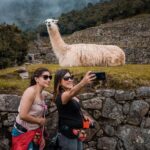

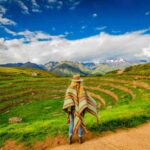
More Pisac and Ollantaytambo
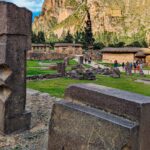

More Salt Pans and Terraces

Recent write-ups from around Cusco, just off the trail
- Cuzco: Rainbow Mountain Excursion
★ 5.0 · 3 reviews - 1 day excursion to Qeswachaka bridge and the 4 lagoons
★ 3.6 · 3 reviews - Waqrapukara 1 day trekking + meals
★ 3.9 · 3 reviews - Valle Sur Cusco | half day
★ 4.3 · 3 reviews - Full-Day Condor Viewpoint & Inca Sites Tour
★ 5.0 · 3 reviews
Maras & Moray Salt Mines, compared.
 ★ 4.8From Cusco: Sacred Valley & Maras Salt Mines Tour with LunchFrom $282,227 reviews
 ★ 4.8From Cusco: Moray, Maras Salt Mines & Chinchero Weavers TourFrom $151,925 reviews
 ★ 4.6Sacred Valley, Pisac, Ollantaytambo, Salt Mines MorayFrom $281,058 reviews
 ★ 4.8Chinchero,Moray & Salt Mines drop-off in OllantaytamboFrom $27793 reviews
 ★ 4.8Sacred Valley: Chinchero, Moray, Ollantaytambo & Pisac+LunchFrom $25501 reviews
 ★ 4.6Sacred Valley: Maras & Moray by Quad Bike from CuscoFrom $39418 reviews
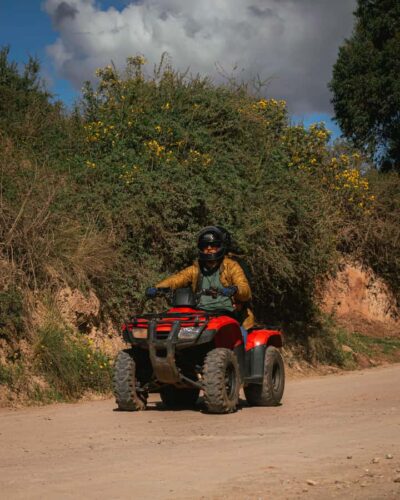 ★ 4.7From Cusco: Quad bike tour Moray and Salt MinesFrom $27314 reviews
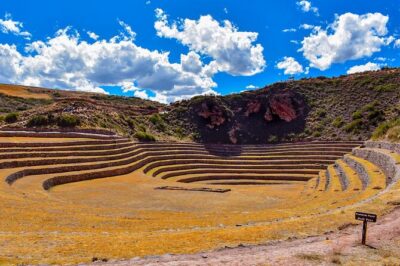 ★ 5.0From Cusco: Moray, Maras Salt Mines & Chinchero Weavers Half-DayFrom $15126 reviews
Browse the lists this tour appears in