
REVIEW · SACRED VALLEY TOURS
Super Sacred Valley with Transfer to Ollantaytambo
One day, four Sacred Valley stories. This tour stitches together Sacred Valley stops that connect Inca agriculture, salt production, and everyday Andean life—starting with hotel pick-up in Cusco and ending near the Ollantaytambo train station.
I love the focus on Chinchero market culture and the scale of the Maras salt mines wells. One consideration: the day is tight, and if you’re carrying luggage, the Ollantaytambo transfer can feel awkward if vehicle space is limited.
In This Review
- Key takeaways for your Sacred Valley day
- Morning pick-up into the Sacred Valley
- Chinchero: market energy, colonial church, and salt-town roots
- A practical heads-up
- Moray’s circular terraces: an Inca “research center”
- Maras Salt Mines: thousands of working wells
- Urubamba lunch: refuel like a local
- Ollantaytambo: the living Inca fortress and your train base
- Transfer reality check (based on real-world experience)
- Price and value: what $35 really buys you
- Who this Sacred Valley day tour suits best
- Tips to make the day easier (and more enjoyable)
- Should you book this Super Sacred Valley with Transfer to Ollantaytambo?
- FAQ
- What does the tour cost?
- How long is the tour?
- What’s included in the price?
- Are entrance fees included?
- Which sites will I visit?
- Is lunch included?
- What language is the guide?
- How does the tour end?
- What are the cancellation and payment options?
Key takeaways for your Sacred Valley day
- Chinchero at 3,780 meters combines a colonial church, Cusco School canvases, and a working market for fabrics
- Moray’s circular terraces were used as an ancient agricultural research center
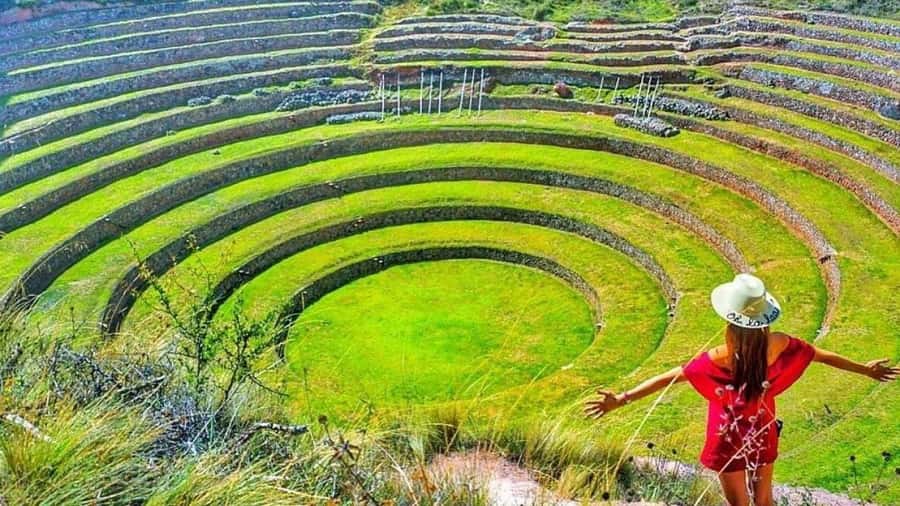
- Maras Salt Mines: more than 4,000 wells still produce salt used in gastronomy
- You get a real lunch in Urubamba, not just a quick snack and sprint to the next stop
- Drop-off near the Ollantaytambo train station makes this a smart add-on if you’re heading onward
More of the Sacred Valley, village by village
- Sacred Valley: Chinchero, Moray, Ollantaytambo & Pisac+Lunch★ 4.8 · 501 reviews
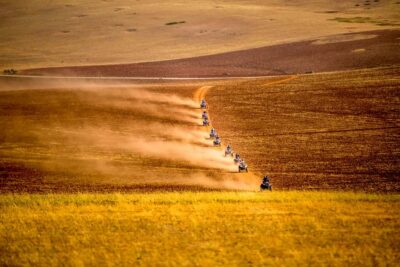
- Sacred Valley: Maras & Moray by Quad Bike from Cusco★ 4.6 · 418 reviews
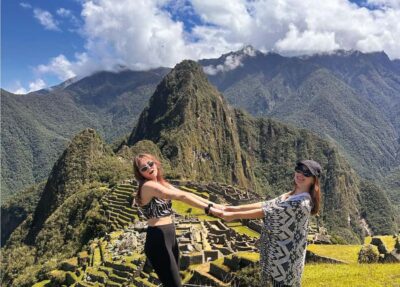
- From Cusco: 2-Day Trip to the Sacred Valley and Machu Picchu★ 4.6 · 265 reviews
- Full-Day Excursion to Sacred Valley, Pisac and Ollantaytambo from Cusco★ 4.5 · 174 reviews
Morning pick-up into the Sacred Valley
Your day starts with a pickup from your Cusco hotel (city center). From there, you’ll head into the Sacred Valley with views of fields and small villages set against snow-capped mountains that have been considered sacred for centuries.
This is a good route if you want variety in one day. You’re not just looking at ruins; you’re seeing the agricultural logic, local crafts, and a living production site that explains why this valley mattered.
Chinchero: market energy, colonial church, and salt-town roots
Chinchero sits at 3,780 meters above sea level, so expect cool air and a slower pace. This is where the Sacred Valley turns from scenery into daily life.
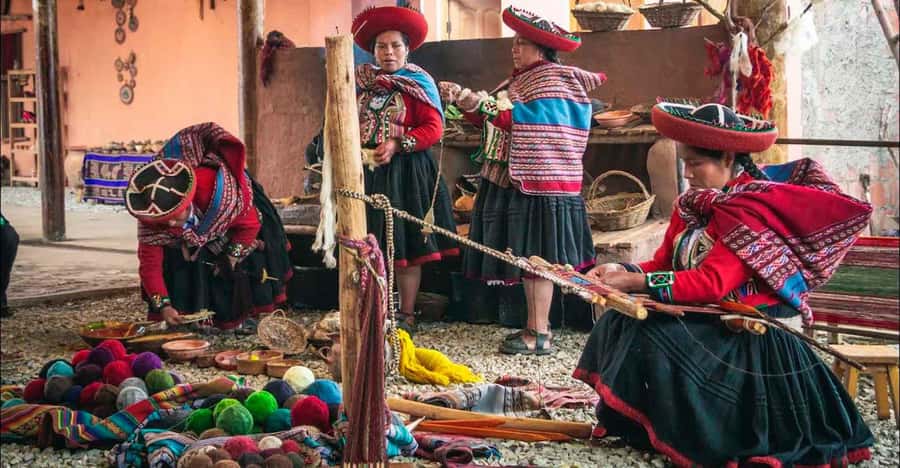
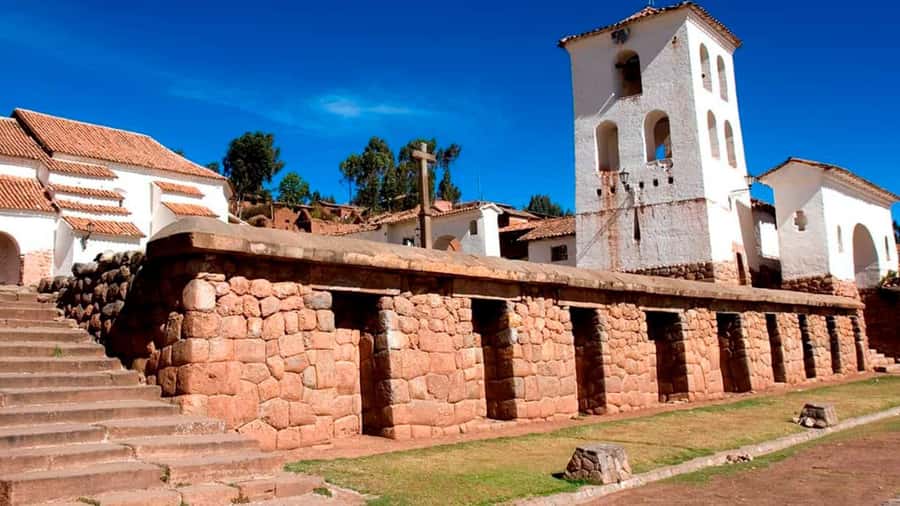
Here, you’ll explore the town’s archaeology and a 17th-century colonial church decorated with paintings from the Cusco School. Even if you’re not a big art person, the fact that these canvases exist here says a lot about how Spanish-era culture layered onto older ways of life.
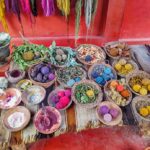
Then comes the part I really think is worth it: the typical market. This is where Andean fabrics are still traded and purchased, and you can see the bright colors and practical craft work up close. I also like that you’re not only shopping—you’re learning how Chinchero was historically tied to salt production, so the market feels connected to the region’s economy, not just tourist displays.
A practical heads-up
Markets can be time-heavy, especially when stalls are active and everyone wants to browse. If you’re trying to keep strict timing for later in the day, go in with a short plan—pick a few items you truly want, then keep moving.
Moray’s circular terraces: an Inca “research center”
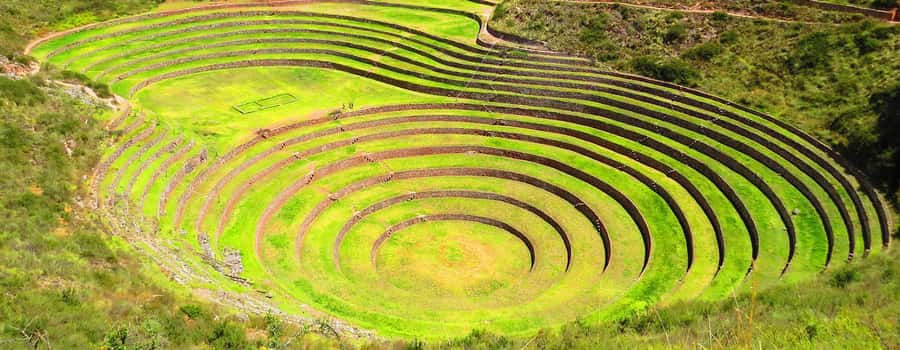
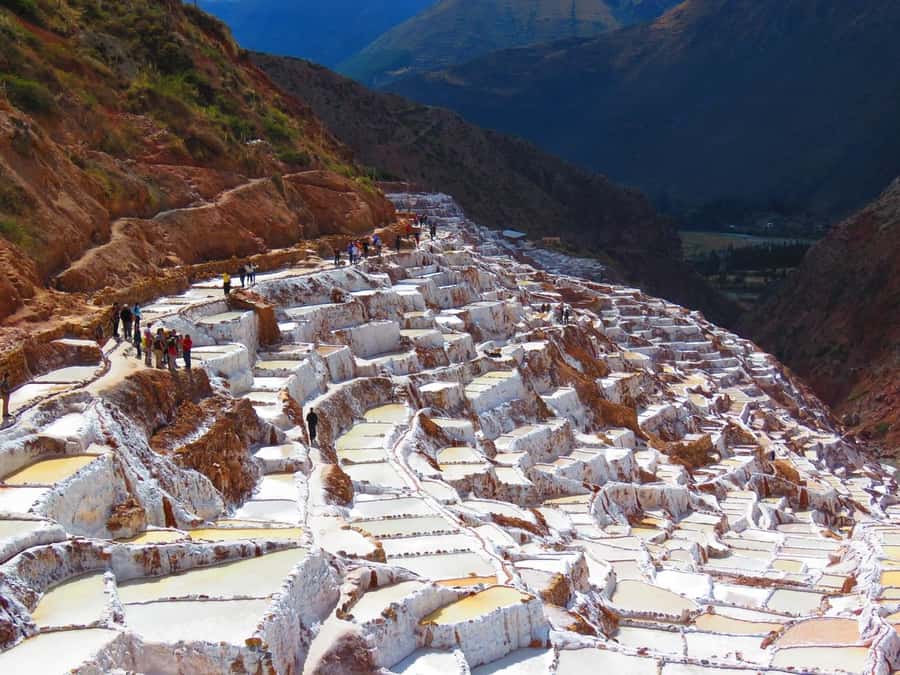
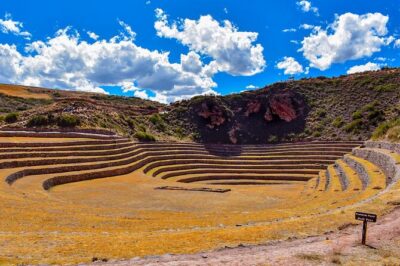
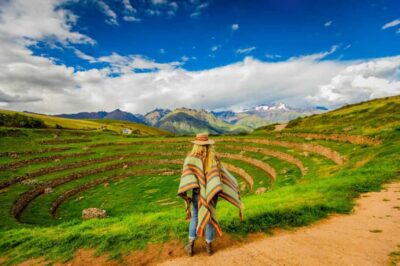
Next stop: Moray, famous for its circular agricultural terraces. The big idea here is that Moray worked like an early agricultural testing ground—an ancient research center that helped people study crops under different conditions.
The terrace shape isn’t random. By building in concentric levels, the Incas could create varying microclimates. That’s the kind of detail that makes ruins feel practical instead of just dramatic. You’re seeing engineering that served real food production.
If you enjoy the logic behind how places were built, Moray is a highlight. It also helps break up the day: after markets and salt production, you get a different lens—food science from the past.
More Pisac and Ollantaytambo ruins
Maras Salt Mines: thousands of working wells
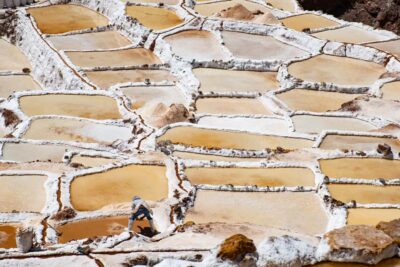
Maras Salt Mines are the production side of the Sacred Valley story. You’ll see a site with more than 4,000 wells, spread across a high salt flat where salt is harvested using traditional methods.
This is one of those stops where scale matters. Each well looks small, but together they show how a whole landscape can be organized for a single resource. And because the salt has a well-known role in gastronomy, you can connect what you’re seeing to modern eating—not just local folklore.
The tricky part is logistics and timing. The mines are an active working area, and routes can require walking and careful footing depending on conditions. Wear shoes you trust, and plan to go slow—altitude plus uneven terrain is not the time to power-walk.
Urubamba lunch: refuel like a local
After the long stretch of sightseeing, you’ll head to Urubamba for lunch at a typical restaurant. This is more than a break from buses; it’s a chance to eat in the valley style while your day is still moving.
I like having lunch as a scheduled stop because it keeps the day from turning into a scavenger hunt for food. At altitude, you want something filling and steady, not random snacks that leave you hungry and cranky halfway through the next ruins.
If you’re sensitive to altitude, treat lunch as your reset button. Take your time, sip water, and let your body catch up.
Ollantaytambo: the living Inca fortress and your train base
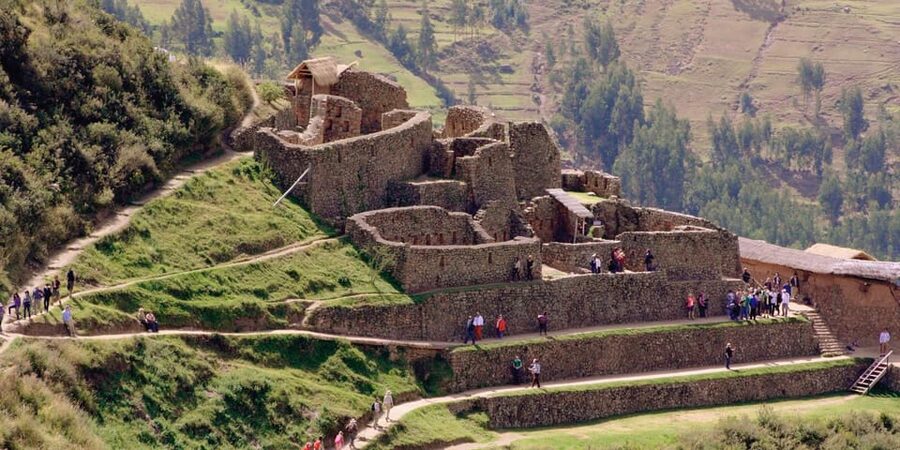
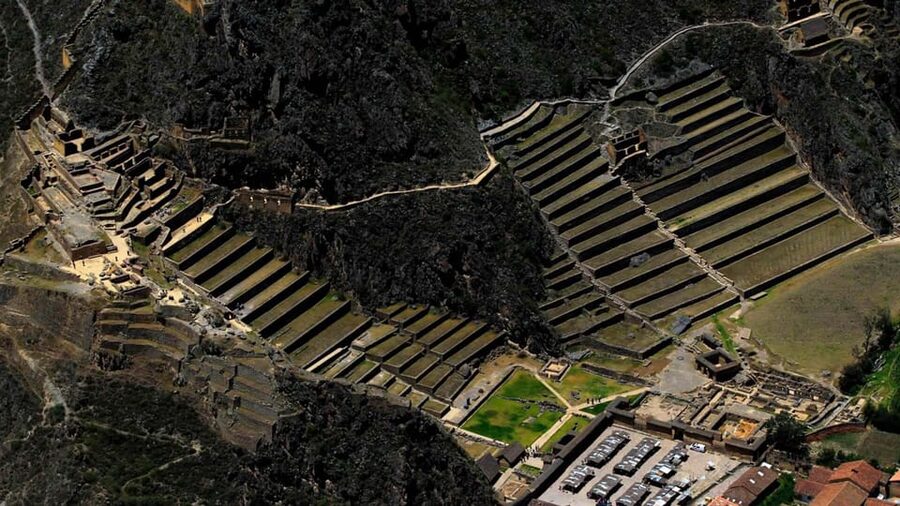
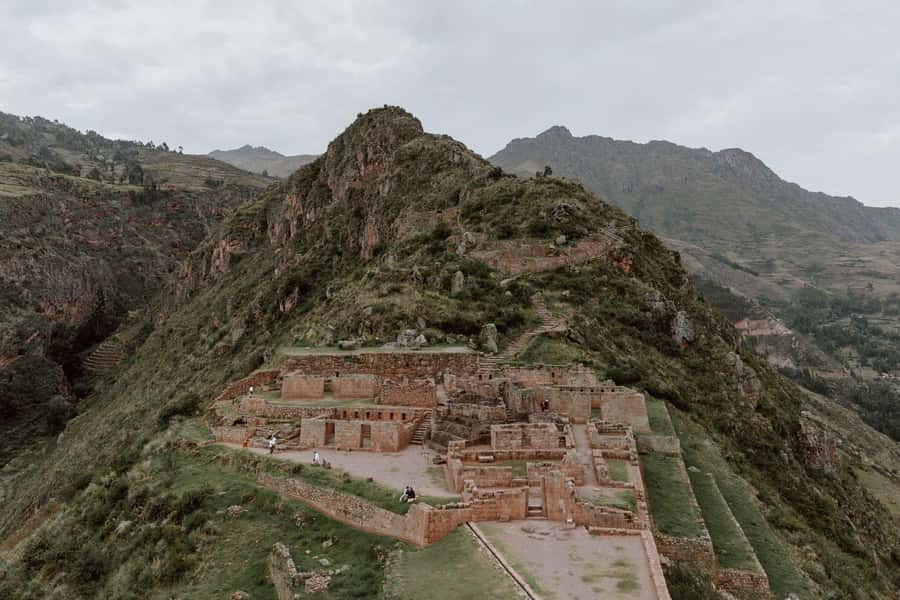
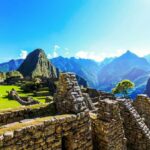
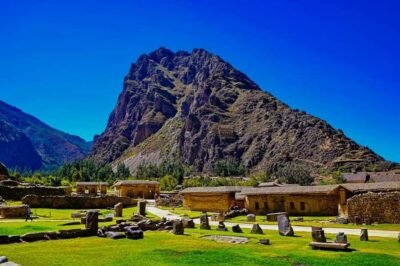
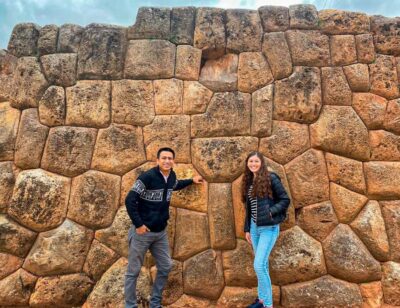
The day ends with Ollantaytambo, a charming living Inca city and a strategic fortress. It served military, religious, and administrative roles—so you’re not just seeing one purpose at work. You’re seeing a whole system of control and community in stone.
Ollantaytambo is also a smart finish if you’re traveling onward. The tour drops you off near the Ollantaytambo train station, which can make it easier to transition to the next part of your Peru trip without a stressful scramble.
Transfer reality check (based on real-world experience)
This is where you’ll want to be practical. If you’re carrying luggage, consider packing light for the day. Transfers can mean tight vehicle space and quick movement from pickup/drop-off to the guided portion at Ollantaytambo. If you’re the type who travels with a big suitcase, plan ahead so you’re not trying to juggle everything while also keeping up with the group.
Also, keep an eye on communication on the morning of your tour. Don’t assume everything is perfectly timed—send a quick check-in to your hotel or confirm your meeting details so you’re not waiting on the wrong spot.
Price and value: what $35 really buys you
At $35 per person for a one-day loop with transportation, guide, multiple stops, and lunch, this can be strong value—especially compared with booking separate guides for each site. You’re basically paying for a guided route that connects Chinchero, Moray, Maras, and Ollantaytambo in a single day.
But budget matters. Entrance fees to archaeological sites are not included, and the Maras Salt Mines entrance fee is also not included. So the final cost depends on the current fees at the sites. If you hate surprise expenses, you’ll feel better if you set aside extra money specifically for entry tickets.
Where the deal can feel less good is when time gets squeezed. If you prefer maximum time at ruins and minimum time at markets, you might feel the schedule is too shop-oriented. On the other hand, if you like understanding how today’s valley life connects to the past, this mix is part of the value.
Who this Sacred Valley day tour suits best
This tour is a great fit if you want a high-impact one-day sampler of the Sacred Valley. It’s especially good for:
- First-timers who want the “big four” feeling: market culture, Inca agriculture, salt production, and Ollantaytambo
- Travelers heading to the train later and wanting a convenient drop-off near the station
- People who like having a live English or Spanish guide to tie sites together
It may be less ideal if:
- You want long, slow museum-style time at fewer sites
- You’re traveling with heavy luggage and hate moving fast between points
- You strongly dislike market stops and prefer ruins-only routes
Tips to make the day easier (and more enjoyable)
- Dress in layers. You’re at high altitude, and temperatures can shift fast between morning and afternoon.
- Wear shoes with grip. Moray and Maras can involve walking over uneven terrain.
- Bring a small plan for Chinchero. If you want textiles or crafts, decide what you’re shopping for before you start browsing.
- Keep your essentials accessible. For Ollantaytambo and the transfer to the train area, quick access beats digging through a big bag.
- Ask questions early. A strong guide can turn “see ruins” into “understand why it was built,” and having questions ready helps.
Should you book this Super Sacred Valley with Transfer to Ollantaytambo?
If you want one day in the Sacred Valley that connects people, production, and Inca engineering, I’d say yes. The route makes sense, the sights are well chosen, and the Ollantaytambo near-station drop-off is practical if you’re continuing your journey.
I’d hesitate only if you’re very timing-sensitive or traveling with lots of luggage. In that case, you’ll want to pack lighter than usual and be ready for a schedule that moves.
FAQ
What does the tour cost?
The price is $35 per person.
How long is the tour?
It’s listed as a 1-day experience. Starting times can vary, so you’ll want to check availability for the exact start.
What’s included in the price?
Included are hotel pickup from the city center, visits to Chinchero, Moray, Maras salt mines, and Ollantaytambo, lunch in Urubamba, and transportation.
Are entrance fees included?
No. Entrance fees to archaeological sites are not included, and the entrance fee to the Maras Salt Mines is also not included.
Which sites will I visit?
You’ll visit Chinchero, Moray, the Maras Salt Mines, and then Ollantaytambo.
Is lunch included?
Yes. Lunch is included in Urubamba at a typical restaurant in the area.
What language is the guide?
The live tour guide is available in English and Spanish.
How does the tour end?
The tour ends with a drop-off near the Ollantaytambo train station.
What are the cancellation and payment options?
You can cancel up to 24 hours in advance for a full refund. You can also reserve now and pay later to keep your plans flexible.
More Tour Reviews in Cusco
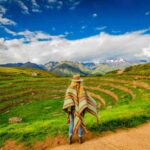
More Pisac and Ollantaytambo
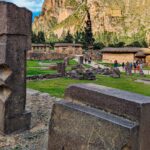
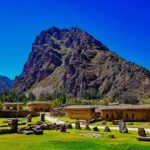

Deeper Into the Sacred Valley
Recent write-ups from around Cusco, just off the trail
- Cuzco: Rainbow Mountain Excursion
★ 5.0 · 3 reviews - 1 day excursion to Qeswachaka bridge and the 4 lagoons
★ 3.6 · 3 reviews - Waqrapukara 1 day trekking + meals
★ 3.9 · 3 reviews - Valle Sur Cusco | half day
★ 4.3 · 3 reviews - Full-Day Condor Viewpoint & Inca Sites Tour
★ 5.0 · 3 reviews
Sacred Valley Tours, compared.
 ★ 4.8From Cusco: Sacred Valley & Maras Salt Mines Tour with LunchFrom $282,227 reviews
 ★ 4.6Sacred Valley, Pisac, Ollantaytambo, Salt Mines MorayFrom $281,058 reviews
 ★ 4.8Sacred Valley: Chinchero, Moray, Ollantaytambo & Pisac+LunchFrom $25501 reviews
 ★ 4.6Sacred Valley: Maras & Moray by Quad Bike from CuscoFrom $39418 reviews
 ★ 4.6From Cusco: 2-Day Trip to the Sacred Valley and Machu PicchuFrom $370265 reviews
 ★ 4.8Sacred Valley Pisaq,Ollantaytambo,Chinchero with LunchFrom $28183 reviews
 ★ 4.5Full-Day Excursion to Sacred Valley, Pisac and Ollantaytambo from CuscoFrom $47174 reviews
 ★ 5.0Food and Culture Full day Tour in the Sacred ValleyFrom $200144 reviews
Browse the lists this tour appears in