
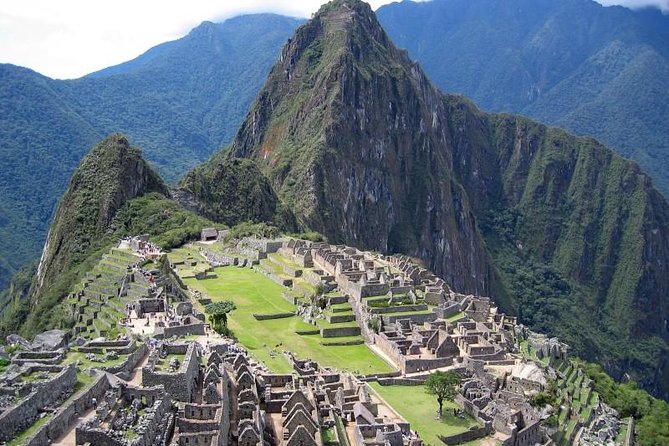
REVIEW · MACHU PICCHU TOURS & TICKETS
4-Day Salkantay Trek to Machu Picchu
The first big test comes fast: Salkantay’s high pass. This 4-day route blends mountain camping with a guided Machu Picchu morning, then eases you down into the warmer jungle side before the train back to Cusco. I really like that this is run as a small group (max 16, average around 4), and that your trek and Machu visit are led by a professional bilingual guide with local context. The main drawback: it is demanding, with serious altitude swings and the coldest night up near 3,920m.
You’ll also like the practical structure. Day 1 and Day 2 are classic trekking, Day 3 adds a smart mix of walking plus transport, and Day 4 is built around catching Machu Picchu early so you get the misty, calmer feel before the day crowds. Also, you’ll be fed well for a multi-day hike, including a vegetarian option if you book it ahead.
One more thing to consider: the listed price is a good base, but important fees like the Salkantay trekking permit and Machu Picchu entry are not included, so you’ll want to budget beyond the headline cost.
In This Review
- Quick hit: what stands out most
- Why This Salkantay-to-Machu Route Feels Worth It
- Price and Value: What $810 Really Buys (and What to Budget)
- Day 1, 5:30am: Cusco Pick-Up to Humantay Lake
- Soraypampa to the Coldest Camp: Sleeping at 3,920m
- Day 2: The 4,650m Salkantay Pass (Plus an Optional Horse)
- Day 3: High Jungle Walks, Santa Teresa Heat, and Arriving Aguas Calientes
- Day 4: Catching Machu Picchu Early and Getting Back to Cusco
- Guides and Food: The Difference Between Tough and Amazing
- What You Actually Get Included on the Trek
- Fitness, Altitude, and Cold: How to Make This Feel Hard but Not Miserable
- Who This Trek Is Best For (and Who Should Reconsider)
- Should You Book This 4-Day Salkantay Trek?
- FAQ
- How early is the tour start for the trek?
- Where does Day 1 start and what happens before the hike?
- How long does it take to hike to Laguna de Humantay?
- Is there an optional horse rental for the high pass?
- What is the highest point of the trek?
- Are meals included, and is there a vegetarian option?
- What kind of accommodation do you get on the trek?
- What happens on Day 3 and where do you stay overnight?
- Is Huayna Picchu included?
- What permits and fees are not included?
Quick hit: what stands out most
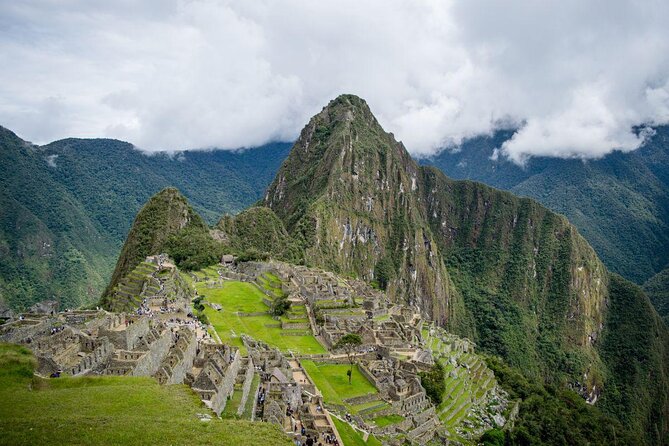
- High pass at 4,650m with snow-capped views potential and an optional horse if you need a hand
- Small-group pace (avg about 4 trekkers) makes it easier to keep moving without getting shredded
- Humantay Lake day includes the dramatic hike to Laguna de Humantay with panoramic mountain views
- Aguas Calientes overnight in a 3-star hotel puts you in the right place for the early Machu morning bus
- Guide-led Machu Picchu for about 2 hours, then you explore on your own
- Camping kit and support: tent, foam mat, first aid kit, and even emergency oxygen
Other ways up to Machu Picchu, reviewed
- From Cusco: Full-Day Group Tour of Machu Picchu★ 4.7 · 1,767 reviews
- Machu Picchu Day Trip from Cusco★ 4.5 · 1,644 reviews
- Machu Picchu: Full-Day Tour from Cusco with Optional Lunch★ 4.6 · 927 reviews
- Cusco: 4-Day Inca Trail to Machu Picchu with Accommodation★ 4.8 · 432 reviews
Why This Salkantay-to-Machu Route Feels Worth It
Salkantay is a favorite because it earns the Machu Picchu payoff. You’re not just transferring from one photo spot to another. You’re walking through big altitude changes, crossing dramatic mountain terrain, and then hitting Machu Picchu in the early morning light when the ruins feel most otherworldly.
The trip also makes practical sense. Day 1 starts with Humantay Lake, which is visually intense without being the absolute hardest day. Day 2 hits the highest pass (4,650m), and then you gradually drop toward the beginning of the warmer jungle region around 2,900m.
Finally, the pacing is designed around your reality. Day 3 includes transport segments and a shorter final walk into Aguas Calientes, so you arrive fresh enough to enjoy your evening rather than collapsing the moment you reach the hotel.
Price and Value: What $810 Really Buys (and What to Budget)
At $810 per person, this is priced in the mid-range for a 4-day Salkantay trek that includes camping support and a Machu Picchu train-day setup. What you’re paying for is a full operating system: pickup, transfers to trail start, a trek + Machu bilingual guide, camping accommodations, and the Aguas Calientes hotel night.
What’s not included is where your final budget can jump. You’ll likely need to add:
- Salkantay trekking permit: PEN 133
- Machu Picchu entry: PEN 48
- Optional Huayna Picchu: PEN 200
- Optional Machu Picchu Mountain hike: PEN 200
- If you want it, hydroelectric to Aguas Calientes train transfer: $30
- Tips (optional, but standard in the region)
Also note a small but important gap: Day 1 breakfast and Day 4 lunch and dinner are not included, and bottled water isn’t included either. That’s normal on hikes, but it means you should pack a plan for snacks and water breaks.
When I look at value here, the standout is that the hard logistics are handled. You’re not coordinating multiple transport pieces or trying to figure out Machu timing on your own.
Day 1, 5:30am: Cusco Pick-Up to Humantay Lake
This trek starts early—pickup at 5:30am. You take a tourist-class bus toward Mollepata (around 2,900m), where you can stretch, buy snacks, and get your head into trekking mode. Then you continue by car to Challacancha, where you do final prep and double-check your equipment.
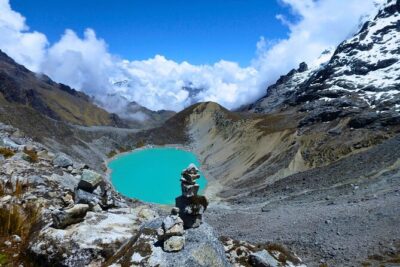
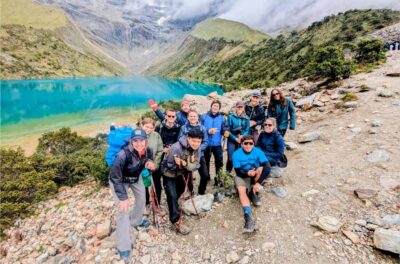
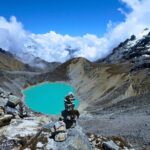
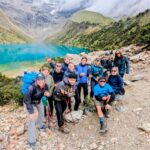
After that, the day becomes a steady mountain hike to Soraypampa (3,920m). Lunch there comes with panoramic views of snow-capped peaks, which is a nice break from the constant uphill rhythm. Then you hike up to Laguna de Humantay for about 1.5 hours each way.
What makes this day memorable is the setting. You’re walking through high Andean terrain with big skies and sharp altitude. Humantay Lake itself feels dramatic—cool air, intense scenery, and that instant sense that you’re earning the view.
Possible consideration: Soraypampa and Humantay are high enough that cold hits fast. Even if you feel okay at the start, you’ll want layers that handle temperature swings.
Soraypampa to the Coldest Camp: Sleeping at 3,920m
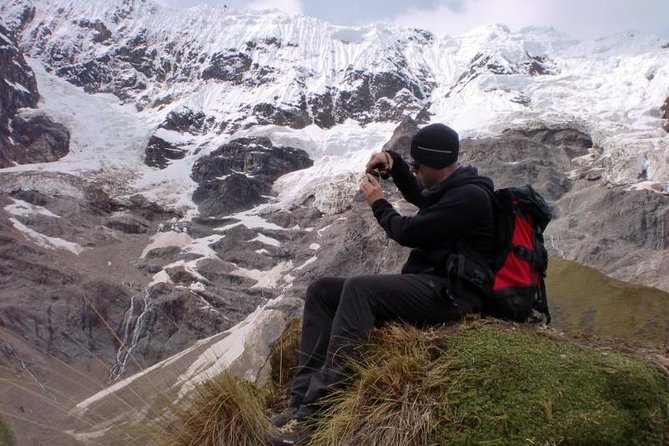
Day 1 ends at a campsite at 3,920m, and it’s described as the coldest night of the trip. You hike, you eat, and then you sleep early—because tomorrow asks for a pass crossing.
This is where the included gear matters. You get a tent and a basic sleeping pad setup, plus a foam sleeping mat. It’s not a luxury hotel bed, but it’s the difference between “survived” and “why am I still awake.”
If you’re sensitive to cold, take extra care with your sleeping bag and personal layers. Also, expect that your body may feel a bit stretched or tired after Day 1’s altitude exposure, even if the miles don’t sound extreme on paper.
Other Salkantay routes to compare
Day 2: The 4,650m Salkantay Pass (Plus an Optional Horse)
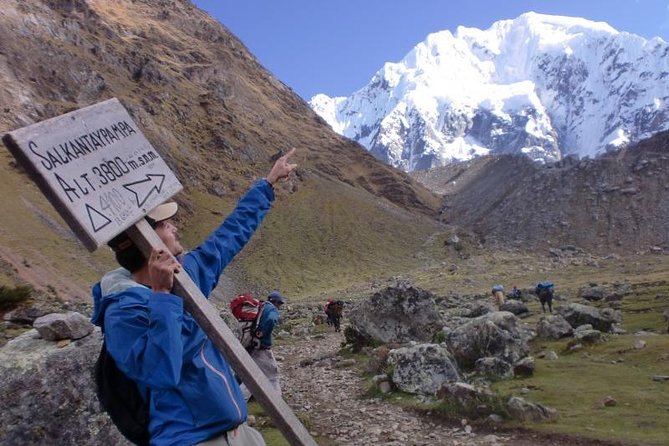
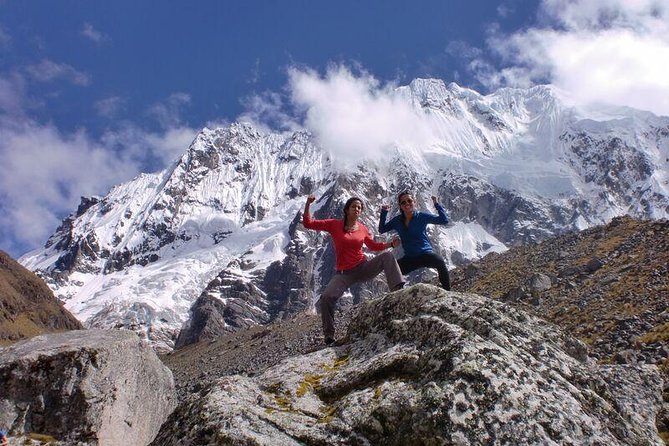
Breakfast is around 6:00am, then you start walking for about 4 hours toward the highest pass on the trek at 4,650m. The pass sits between two huge mountains: Salkantay on the right and Humantay on the left.
At the pass, the views can be spectacular, and there’s a possibility of snow. That’s not a promise, but the altitude means conditions can shift. If the weather turns, your job is just to move carefully and keep a steady pace.
Halfway up is also where the optional assistance can help. There’s an optional horse rental to reach the high pass for 100–120 soles. If you’re worried about that steep or high segment, it can be a smart trade: fewer pain points now, more enjoyment later at lunch and on the descent.
After the pass, you descend for about 2 hours, then lunch is served at Huayracpampa. The afternoon continues with another 3 hours trekking down toward Challhuay or Colcapampa around 2,900m, near where the high jungle region begins.
This day is the heart of the trek. If you want the Salkantay story in one scene, this is it.
Day 3: High Jungle Walks, Santa Teresa Heat, and Arriving Aguas Calientes
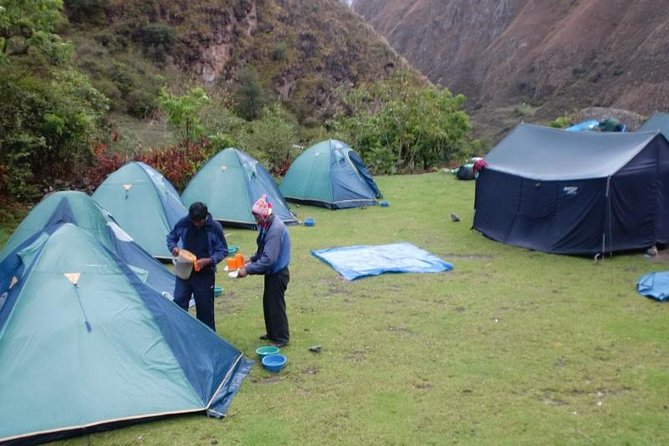
Day 3 starts around 6:30am with trekking through the upper jungle region. The route crosses the Santa Teresa River and several smaller brooks, with valleys and views that shift from cold mountain to wetter, greener terrain.
The walk includes tropical fruits and plants, plus waterfall scenery. Lunch is at La Playa (2,200m), then the itinerary moves into a warmer climate with car transport to Santa Teresa (about 1,700m). From there, another car ride goes to the Hydroelectric Station, and then you walk about 3 hours to Aguas Calientes.
Here’s the practical value: this day mixes walking with transport so you don’t arrive wrecked. Once you’re in Aguas Calientes, you’ll find internet cafes, plus cafes where you can play cards or board games, and enough shops to stretch your legs in a less intense way.
You also have an optional shortcut available: train transfer from the Hydroelectric Station to Aguas Calientes for extra cost (the standard train used in the itinerary is on Day 4). If you’re feeling beat up from the pass, it’s worth considering.
That 3-star hotel night is also a big deal. You get a proper place to recharge before Machu Picchu.
Day 4: Catching Machu Picchu Early and Getting Back to Cusco
This is the day you remember for the rest of your life. You catch one of the first buses to Machu Picchu around 5:30am, built for early light when the mist can dissipate and the ruins feel calm and cinematic.
You get a walking tour of about 2 hours with your guide. This part matters because Machu Picchu isn’t just a view. A good guide connects what you’re seeing to Inca engineering and how the site was used. After the guided portion, you explore on your own.
If you want extra altitude views, you can add Huayna Picchu at an additional cost. There are 400 people allowed up per day, and you need to email the operator directly to request the extra ticket. It’s not included, but the option is there if you plan ahead.
After Machu, you head back to Aguas Calientes by bus (every 15 minutes from the entrance) or you can take a walking trail down that takes about 1 hour to town. Then you train back to Ollantaytambo, followed by a bus to Cusco, with drop-off at Plaza San Francisco late in the day. From there, you’ll handle getting to your accommodation on your own.
One practical takeaway: Day 4 is logistically tight. It’s amazing, but you’ll move more than you think—so build in a calm, flexible mindset for the day’s travel segments.
Guides and Food: The Difference Between Tough and Amazing
The biggest “make or break” factor for a multi-day hike is your guide. This route is led by a professional bilingual guide, and you’ll often feel that local know-how in the way the group is paced and how questions get answered.
In particular, names like Jr., Percy, and Francisco show up with the same theme: clear English, local geography and plant knowledge, and encouragement when the climbs bite. If your guide is Cesar, Junior, or Francisco, you can expect them to point out details most people miss and keep the route feeling manageable rather than chaotic.
Food is another highlight. Meals include typical Peruvian dishes, and the cooking team matters. I’ve seen the cook named Geraldo and also Bennie called out for making good Peruvian food during the trek. And if you need vegetarian, there’s a vegetarian meal option when you book.
Tipping is optional, but it’s also part of the real on-the-ground system. The suggested ranges provided are:
- Guide: 40–60 soles per trekker
- Assistant guide: 30–40 soles per trekker
- Horsemen: 60–80 soles for each horseman for the whole group
- Cook: 150–200 soles for the cook for the whole group
If you’re the type who wants to support the team directly, these numbers make it easy to do so without overthinking.
What You Actually Get Included on the Trek
This trek doesn’t just promise services—it lists real support items that help you sleep and stay safe.
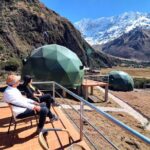
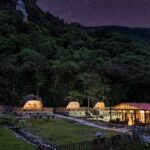
On the camping side, you get tent accommodation (pairs share, while couples have a tent/room to themselves) and a foam sleeping mat plus basic sleeping pad setup. There’s also a first aid kit and an emergency oxygen bottle, which is the kind of detail you hope you never need but are glad is there.
Your carrying load is also managed. You’ll have horsemen and mules carrying cooking and camping equipment plus a total of 7 kilos per trekker. That total includes 3 kilos for your sleeping bag and mattress, plus 4 kilos for your personal items.
Meals are included across the trip as follows:
- 3 breakfasts (Day 2, Day 3, and Day 4 breakfast, with Day 1 breakfast not included)
- 3 lunches
- 3 dinners
- 2 snacks
You’ll also get a pre-departure briefing and pick-ups and transfers, including van transport from Cusco to Mollepata to Challacancha and cars from La Playa through Santa Teresa to Hydroelectric Station.
What’s missing (so you can plan) is bottled water, plus the guide for bus and train transfers portions—you handle those segments on your own.
Fitness, Altitude, and Cold: How to Make This Feel Hard but Not Miserable
This trek is demanding. The itinerary itself calls out important temperature changes with altitude swings (from around 4000m down to 2000m). That means your body is working not just on effort, but also on adjusting to cold and thinner air.
The best way to make it feel doable is to train a bit before you go and keep your pace conservative on the first couple of days. If you go out too fast on Day 1, Day 2’s pass can punish you.
Also keep in mind that the coldest camp is Day 1 at 3,920m. Plan for cold sleep even if the daytime feels manageable. Altitude often makes you tired earlier than you expect, so treat rest and hydration as part of the hiking, not an optional extra.
The minimum age is 7 years, but this still isn’t a casual family walk. It’s for people with a strong fitness base and comfort being outdoors for long stretches.
Who This Trek Is Best For (and Who Should Reconsider)
This is a strong choice if you want:
- A classic Salkantay high pass experience
- A guide-led Machu Picchu morning (about 2 hours)
- Small-group attention, with an average of about 4 trekkers
- Camping plus one hotel night, so you get both adventure and recovery time
It’s also a good match if you like local food and don’t mind early starts. The 5:30am rhythm is non-negotiable here.
You might reconsider if you:
- Know you struggle with high altitude and cold nights
- Hate multi-day logistics and prefer a fully guided, fully cushioned route
- Want Machu Picchu completely without any travel segments on train and bus days
Should You Book This 4-Day Salkantay Trek?
I’d book it if you want the kind of trip where Machu Picchu feels earned, not purchased with time at a desk. The combination of small-group pacing, a bilingual guide, strong camping and meal support, and an early Machu morning bus makes the experience feel efficient and real.
Just budget correctly beyond the base price for permits and Machu entry, and be honest about your fitness for the high pass. If you’re prepared for altitude and cold—especially that Day 1 camp—you’re set up for one of the most satisfying trips in the Andes.
FAQ
How early is the tour start for the trek?
The start time is 5:30am, including pickup for the day 1 activities.
Where does Day 1 start and what happens before the hike?
You’ll be picked up and travel to Mollepata by bus, then continue by car to Challacancha for final preparations before the hike to Soraypampa and then to Laguna de Humantay.
How long does it take to hike to Laguna de Humantay?
The hike to Laguna de Humantay is about 1.5 hours each way.
Is there an optional horse rental for the high pass?
Yes. There is an optional horse rental to reach the high pass for 100–120 soles.
What is the highest point of the trek?
The highest pass is Salkantay at 4,650m.
Are meals included, and is there a vegetarian option?
Meals are included (breakfasts, lunches, dinners, and snacks). A vegetarian option is available if you advise at booking.
What kind of accommodation do you get on the trek?
You get camping accommodation, including a basic sleeping pad and tent for two people. Single travelers will share a tent/room with another traveler.
What happens on Day 3 and where do you stay overnight?
You trek through the upper jungle, stop for lunch at La Playa, travel by car to Santa Teresa and then to Hydroelectric Station, walk to Aguas Calientes, and stay one night in a 3-star hotel.
Is Huayna Picchu included?
No. Huayna Picchu is optional and costs extra. You must request it in advance, and there are 400 people allowed up per day.
What permits and fees are not included?
The Salkantay trekking permit (PEN 133 per person) and Machu Picchu entry fee (PEN 48 per person) are not included.
More Tour Reviews in Cusco
More Salkantay Departures
Machu Picchu, More Ways In
Recent write-ups from around Cusco, just off the trail
- Cuzco: Rainbow Mountain Excursion
★ 5.0 · 3 reviews - 1 day excursion to Qeswachaka bridge and the 4 lagoons
★ 3.6 · 3 reviews - Waqrapukara 1 day trekking + meals
★ 3.9 · 3 reviews - Valle Sur Cusco | half day
★ 4.3 · 3 reviews - Full-Day Condor Viewpoint & Inca Sites Tour
★ 5.0 · 3 reviews
Machu Picchu Tours & Tickets, compared.
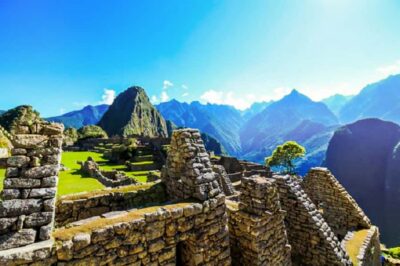 ★ 4.7From Cusco: Full-Day Group Tour of Machu PicchuFrom $3211,767 reviews
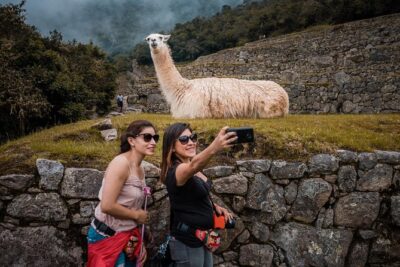 ★ 4.5Machu Picchu Day Trip from CuscoFrom $3361,644 reviews
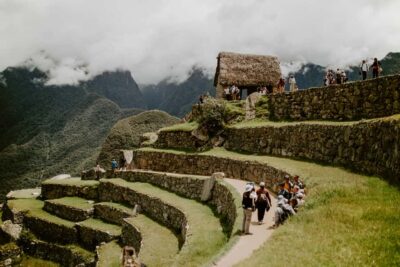 ★ 4.6Machu Picchu: Full-Day Tour from Cusco with Optional LunchFrom $283927 reviews
 ★ 4.84-Day Inca Trail to Machu Picchu with AccommodationFrom $470432 reviews
 ★ 4.6From Cusco: 2-Day Trip to the Sacred Valley and Machu PicchuFrom $370265 reviews
 ★ 4.9Machu Picchu 2-Day Inca Trail with Panoramic TrainFrom $582260 reviews
 ★ 4.2From Cusco: 2-Day Inca Trail to Machu PicchuFrom $290244 reviews
 ★ 4.9Machu Picchu: Inca Trail 2-Day Overnight Guided TourFrom $585203 reviews
Browse the lists this tour appears in