
REVIEW · MACHU PICCHU TOURS & TICKETS
5 Day – Salkantay trek to Machu Picchu – Group Service
Salkantay to Machu Picchu is pure altitude drama. In just five days, you’ll move from high Andean passes around 15,200 ft / 4,650 m down through cloud forest and into warm jungle, ending with a guided Machu Picchu sunrise visit and tour.
I especially like how the trek is built to handle the big logistics for you: hotel pickup, bus to the trail start, and a return train to Ollantaytambo, plus a real overnight setup with tents, mattresses, and a cooking team. And the guides you’ll be in capable hands with can be top-shelf—people mention guides like Aldo, Victor, Rubin, Lenin, Oscar, and Claudio for being friendly, funny, and strong on local culture and mountains.
The one drawback to plan around: the campsites on days 2 and 3 may not match your expectations for comfort or setting, and you’ll want to go in knowing those nights are part of the adventure, not a boutique hotel stay.
In This Review
- Key things to love about this Salkantay trek to Machu Picchu
- The core idea: hiking Salkantay, then seeing Machu Picchu before crowds
- Your guide and crew: why the people matter on a 5-day trek
- Day-by-day on the ground: what each stop really feels like
- Day 1: 5 a.m. pickup to Cruzpata views, then Soraypampa camp
- Day 2: the highest pass at Huayracpunco (4,650 m), then cloud forest to lunch
- Day 3: upper jungle trekking, Lluskamayo water crossings, and optional hot springs
- Day 4: Llactapata Inca viewpoint to Hydroelectric lunch, then Aguas Calientes
- Day 5: Machu Picchu gates for sunrise, guided tour, then free time
- Value and price: is $650 worth it for a Machu Picchu trek?
- What to pack and how to show up (so altitude doesn’t steal the show)
- How group pace and camping reality affect your experience
- Transfers and train details: where surprises can happen
- When you’re ready to go: who this trek is best for
- Should you book this Salkantay trek with Machu Picchu sunrise?
- FAQ
- How long is the Salkantay trek?
- What time does the tour start in Cusco?
- Is hotel pickup included?
- Is camping equipment provided?
- How are meals handled during the trek?
- What’s included for Machu Picchu on the final day?
- Do I need to buy entrance fees separately?
- What about the highest point and cold weather?
- Is there an option for vegetarian meals?
- What train is used after the trek?
- Is Huayna Picchu included?
Key things to love about this Salkantay trek to Machu Picchu
- Small group size (max 16), so you’re not swallowed by a huge herd
- Real camping support: tents, mattresses, cook, tables for dining, plus horsemen/mules for camping gear
- A major altitude moment: Huayracpunco pass at 4,650 m, with the real chance of snow depending on conditions
- Clear ecosystem changes: glaciers-and-cloud-forest day, then upper jungle, then Inca viewpoints
- Machu Picchu sunrise + guided walk (about two hours in the citadel) followed by free time
- Entrance fees included, so you’re not scrambling for tickets once you get there
Other ways up to Machu Picchu, reviewed
- From Cusco: Full-Day Group Tour of Machu Picchu★ 4.7 · 1,767 reviews
- Machu Picchu Day Trip from Cusco★ 4.5 · 1,644 reviews
- Machu Picchu: Full-Day Tour from Cusco with Optional Lunch★ 4.6 · 927 reviews
- Cusco: 4-Day Inca Trail to Machu Picchu with Accommodation★ 4.8 · 432 reviews
The core idea: hiking Salkantay, then seeing Machu Picchu before crowds
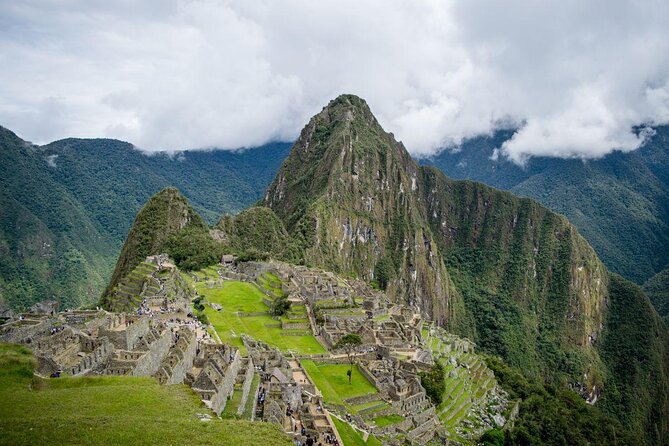
This is a classic “mountain-to-Machu Picchu” run: you trek for four days, camp for three nights, sleep in a hotel in Aguas Calientes on the last night, and then visit Machu Picchu at sunrise. The route makes sense if you like variety more than one-note scenery. One day you’re dealing with steep high passes and cold air. Another day you’re hiking in a cloud-forest feel. Then it flips into warmer jungle terrain with rivers, falls, and plants all around.
What makes it interesting is the pacing of the whole story. The trek builds up to that highest pass day, then it’s more about descent and recovery into lower elevations. By the time you reach Llactapata and finally Aguas Calientes, Machu Picchu doesn’t feel random. It feels like the final reveal after a lot of effort.
And since this is a group service capped at 16 people, you get the benefit of structure: guides, assistant support, and a schedule that keeps everyone moving. You’re still trekking, though. You’ll feel it in your legs.
Your guide and crew: why the people matter on a 5-day trek
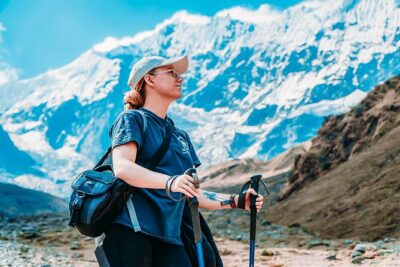
On a multi-day hike like this, the guide isn’t just “someone with a flag.” Your guide shapes your pace, your safety, and how you make sense of what you’re seeing. People consistently mention guides like Aldo, Victor, Rubin, Lenin, Oscar, and Claudio for being personable, direct, and supportive—especially during the hardest segments.
You also have backup built in. This trip includes a professional bilingual tour guide and an assistant guide, plus a cook. The cooking team matters more than most first-timers think. You’re working at altitude. If meals aren’t steady and hot, the whole day feels harder.
There’s also extra safety gear included: extra oxygen and a first-aid kit. That doesn’t mean you won’t feel altitude. It means the organizers took it seriously enough to plan for it.
Day-by-day on the ground: what each stop really feels like
Day 1: 5 a.m. pickup to Cruzpata views, then Soraypampa camp
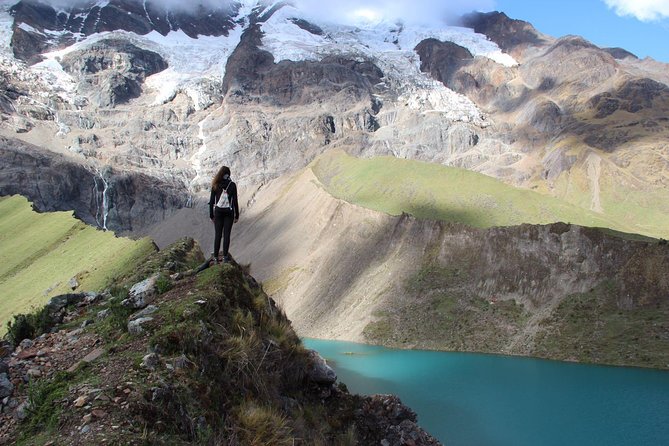
You start early: pickup around 5:00 a.m., then a bus ride to Mollepata. The first hike is to Cruzpata, about three hours, with lunch and panoramic views of snow-capped Humantay (4,120 m) and Salkantay (6,271 m).
This is a smart opening day. You’re not jumping straight into the highest pass. You get that first hit of big mountain views and adjust your body to the altitude rhythm. Then you head toward your first campsite around Soraypampa.
Expect it to feel like “setup + acclimatization.” If you’re the type who needs time to warm up, you’ll probably like Day 1. If you hate early starts, you’ll want to accept that from the start: you’re in Peru’s early-morning club.
Other Salkantay routes to compare
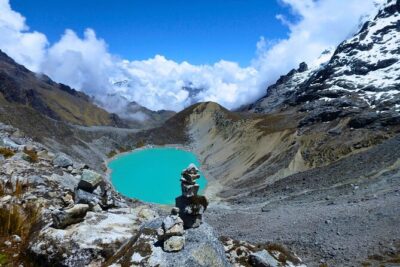
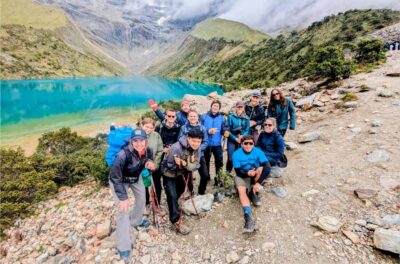
Day 2: the highest pass at Huayracpunco (4,650 m), then cloud forest to lunch
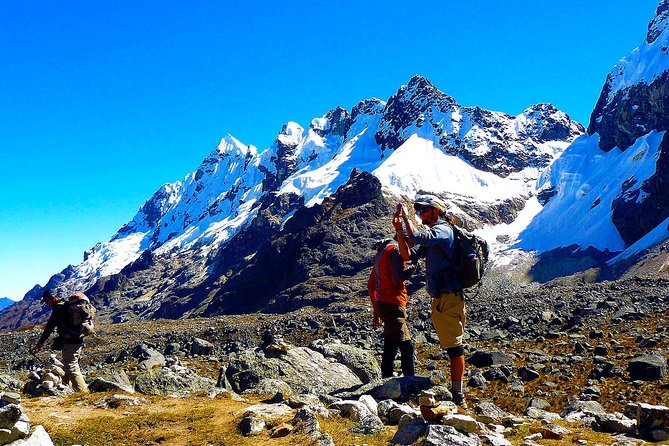
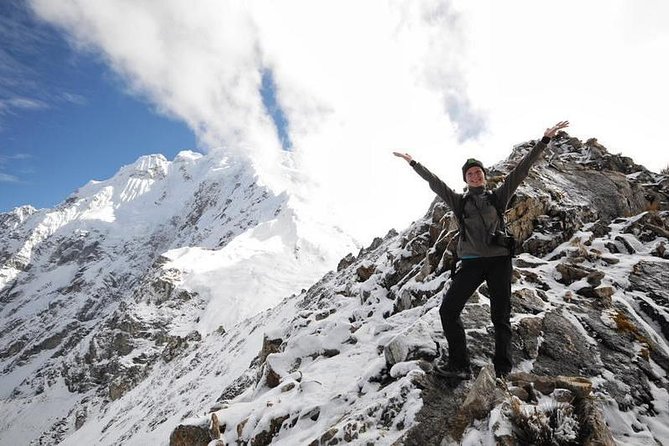
Day 2 begins with breakfast around 5:30 a.m., then a long hike toward Huayracpunco, the highest point on the trek at 4,650 m / 15,200 ft. This pass sits halfway between Salkantay and Tucarhuay, and the views from the top are the kind you remember even if you’re tired.
There’s also a real altitude weather note: there’s a possibility of snow here depending on conditions. If you come prepared for cold hands, layers, and quick weather shifts, you’ll feel more confident.
After a rest, you descend downhill through a dramatic cloud forest feel toward Huayracpunku, where lunch is served. Then you continue hiking toward the next campsite around Colcapampa (3,000 m). Depending on group pace, you may end up at nearby camps like Challway or Andenes instead.
This day is the main “make or break” in terms of exertion. Most people will feel it most strongly here. If you’re pacing well, you’ll still be tired, but you’ll avoid the spiral of going too fast too early.
Day 3: upper jungle trekking, Lluskamayo water crossings, and optional hot springs
Breakfast is at 6:30 a.m. and then the vibe shifts. You trek through upper jungle terrain and cross the Lluskamayo River using small brooks and creeks. Expect valleys, waterfalls, and tropical fruit and plant life.
This is a relief day for many hikers because you’re not chasing the highest elevation anymore—you’re moving through a different climate. You set up camp in warmer conditions at La Playa (2,500 m).
After camp and rest, there’s an optional soak in hot springs. It’s listed as optional, but after a trekking day that includes river crossings and humid warmth, a soak is usually the kind of idea that turns into a yes fast.
If you’re prone to sore muscles, plan to treat this as recovery. Even if you skip the hot springs, take time to sit, drink, and reset.
Day 4: Llactapata Inca viewpoint to Hydroelectric lunch, then Aguas Calientes
Day 4 starts with breakfast at 6:30 a.m. and then a steady climb to Llactapata—about three hours. Llactapata is an Inca fort viewpoint, and you’re told you’ll be able to see Machu Picchu from here. Even if the view is partly hazy, reaching a spot with a Machu Picchu line-of-sight is a powerful moment. It helps you understand why people keep coming back.
After photos and a rest, you hike downhill about two hours. The trail passes plantations producing coca and bananas, among other crops, then you reach the Hydroelectric dam for lunch. From there it’s a couple more hours to Aguas Calientes, where you spend the night.
There’s an optional hot springs stop in Aguas Calientes too (listed as 10 soles). If you’re tired, this is also your chance to simply walk slow and let the day be smaller. You’re close now.
Day 5: Machu Picchu gates for sunrise, guided tour, then free time
You wake up early and breakfast is included, then the guide picks you up from your hotel at around 5:40 a.m. for the bus to the Machu Picchu gates. You’ll watch the sunrise there, then enter the citadel.
Inside, you’ll do a guided walking tour for about two hours, then you get free time to explore at your own pace. This structure is a good fit for most people: you get context from the guide, then you get to wander without feeling rushed.
Value and price: is $650 worth it for a Machu Picchu trek?
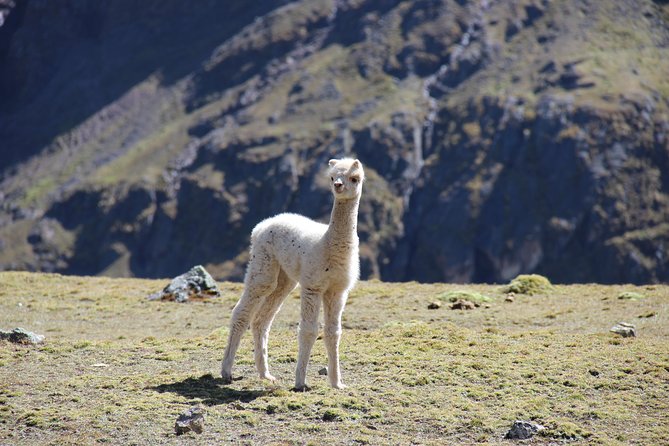
At $650 per person, the value is mostly in what’s included. This isn’t just a “guide leads your hike.” You’re also getting camping equipment (tents and sleeping mattresses), meals and snacks for four days, a cooking team, and key transport links (bus to the trail start and a return train to Ollantaytambo). Entrance fees are included too.
What you’re not getting is also clear. Flights aren’t included. There’s no travel insurance included. Alcohol drinks aren’t included. And meals on your first day and some meals during Aguas Calientes are not included either, so you’ll want to budget for those gaps.
The biggest value tip: if you were planning a Machu Picchu trek on your own, you’d likely end up spending time and money piecing together transport, gear, food, and guides. Paying a package price can feel high until you tally up what you’re actually receiving.
One extra cost to know: there’s a single supplement fee of $112 if you need your own room. If you can share and you’re comfortable with that, the per-person cost stays sharper.
What to pack and how to show up (so altitude doesn’t steal the show)
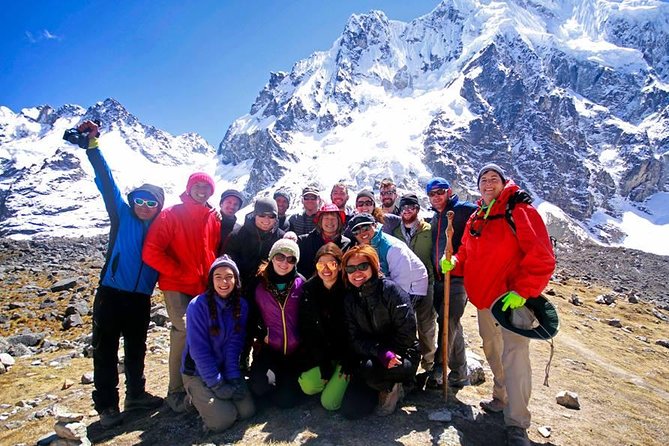
Your fitness needs to be strong. The tour explicitly says you should have strong physical fitness. That doesn’t mean you need to be a mountain runner. It does mean you shouldn’t treat this as a casual walk.
For success, think in layers. You’ll face cold at altitude (and snow is possible on day 2’s highest pass), plus warmer air as the trek drops. You’ll also spend days on uneven ground, so shoes and socks matter.
A practical approach:
- Bring warm layers for early mornings and high points.
- Expect wet or cold hands at the pass day; pack gloves you’ll actually tolerate.
- Plan for wind and quick weather changes, especially on the high pass day.
The trek also gives you support for gear weight: horsemen and mules carry camping equipment and about 8 kilos of tourists’ belongings is mentioned, and you also have a 7 kg personal porter allowance included. In other words: you still carry your day essentials, but you’re not doing the “everything on your back” version of Salkantay.
How group pace and camping reality affect your experience
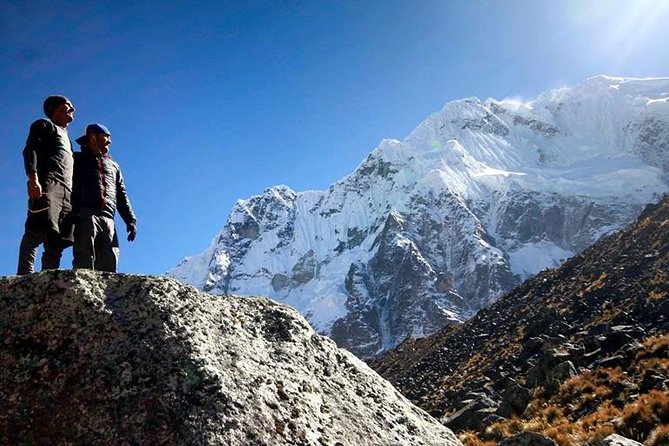
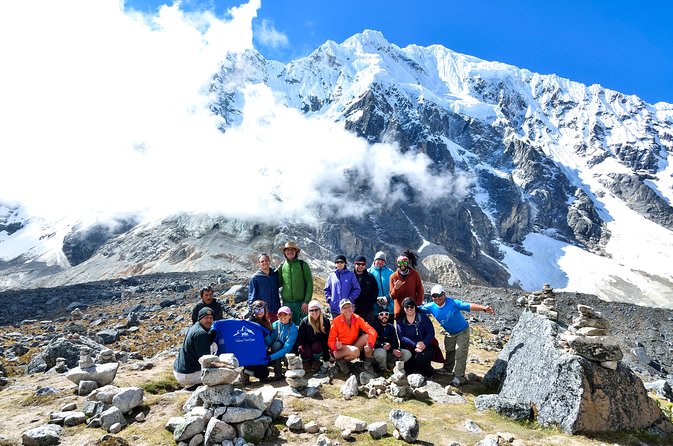
This trek is designed for a group of up to 16. That’s ideal for getting company and staying efficient. It can also mean you’ll move at a pace set by the overall group rhythm rather than your own.
The camping reality is the one recurring consideration. The trip includes three nights camping plus one night in Aguas Calientes at a 3-star superior category. Still, feedback points out that the day 2 and day 3 campsites may not feel as you hoped. So: if you’re the type who needs pristine views outside your tent window, adjust expectations now. If you’re happy enough as long as you have a warm meal, a mattress, and a bedroll at night, you’ll probably be fine.
Also remember: some camps are reached depending on pace. So your exact campsite spot can vary a bit by how your group moves.
Transfers and train details: where surprises can happen
The route includes transport connections: bus to the trail start, then a return tourist train back to Ollantaytambo. Train times can shift based on schedules and availability, and the tour notes that you may have an option to upgrade to Vistadome for extra cost (larger windows than the Expedition train).
This matters because it affects your arrival rhythm. You don’t need to stress over it day by day, but you should keep your schedule flexible on the Machu Picchu side. The good news is that the pickup and transfer pieces are handled for you.
When you’re ready to go: who this trek is best for
This experience fits you if:
- You want big altitude scenery and you’re comfortable hiking several hours per day.
- You like the idea of Salkantay’s ecosystem changes ending at Machu Picchu.
- You want a guided sunrise and tour, not a DIY scramble.
- You’re okay with camping being part of the deal.
It might not be the best fit if:
- You want high-comfort accommodations every night.
- You get very anxious about early mornings and cold mornings.
- You’re looking for a relaxed, flat hike.
Should you book this Salkantay trek with Machu Picchu sunrise?
I’d say book it if you want a structured, supported way to do Salkantay—especially with the combination of camping gear, meals, entrance fees, and guided Machu Picchu all handled. The price makes sense for the amount of support you’re paying for, and the crew details (guides and cooks named in feedback, plus extra safety gear) suggest you won’t be left guessing.
Hold off if your priority is cushy campsites on specific nights, because day 2 and day 3 camping settings can feel like the weak point. Also be honest with yourself about altitude and effort. This is a real trek with real high points.
If you’re excited about the climb, the cold mornings, and then that sunrise reveal at Machu Picchu, this is a strong choice.
FAQ
How long is the Salkantay trek?
It’s a 5-day trip, about 5 days and 4 nights, combining trekking, camping nights, and a hotel night in Aguas Calientes.
What time does the tour start in Cusco?
Pickup and departure happen at 5:00 a.m.
Is hotel pickup included?
Yes. Pickup from your hotel is included.
Is camping equipment provided?
Yes. The tour includes dining tent with tables and chairs, tents (for two people), and sleeping mattresses.
How are meals handled during the trek?
Meals and snacks are included for four days (with breakfast, lunch, and dinner listed as included totals), but breakfast on day 1 and lunch and dinner in Aguas Calientes are not included.
What’s included for Machu Picchu on the final day?
You’ll take a short bus ride to the gates for sunrise, enter Machu Picchu, enjoy a guided walking tour of about two hours, then have free time to explore.
Do I need to buy entrance fees separately?
No. Entrance fees are included.
What about the highest point and cold weather?
The highest pass is Huayracpunco at 4,650 m / 15,200 ft, and snow is possible depending on conditions.
Is there an option for vegetarian meals?
Yes. A vegetarian option is available if you request it at booking.
What train is used after the trek?
The return to Ollantaytambo is by tourist train. Train times can change, and there may be an option to upgrade to Vistadome for an additional cost.
Is Huayna Picchu included?
No. Huayna Picchu tickets are not included.
More Tour Reviews in Cusco
More Salkantay Departures
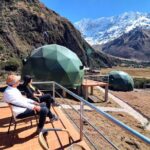
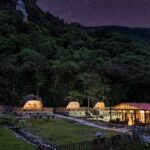
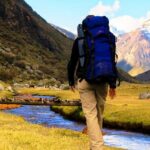
Machu Picchu, More Ways In
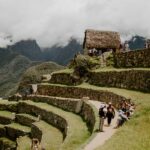
Recent write-ups from around Cusco, just off the trail
- Cuzco: Rainbow Mountain Excursion
★ 5.0 · 3 reviews - 1 day excursion to Qeswachaka bridge and the 4 lagoons
★ 3.6 · 3 reviews - Waqrapukara 1 day trekking + meals
★ 3.9 · 3 reviews - Valle Sur Cusco | half day
★ 4.3 · 3 reviews - Full-Day Condor Viewpoint & Inca Sites Tour
★ 5.0 · 3 reviews
Machu Picchu Tours & Tickets, compared.
 ★ 4.7From Cusco: Full-Day Group Tour of Machu PicchuFrom $3211,767 reviews
 ★ 4.5Machu Picchu Day Trip from CuscoFrom $3361,644 reviews
 ★ 4.6Machu Picchu: Full-Day Tour from Cusco with Optional LunchFrom $283927 reviews
 ★ 4.84-Day Inca Trail to Machu Picchu with AccommodationFrom $470432 reviews
 ★ 4.6From Cusco: 2-Day Trip to the Sacred Valley and Machu PicchuFrom $370265 reviews
 ★ 4.9Machu Picchu 2-Day Inca Trail with Panoramic TrainFrom $582260 reviews
 ★ 4.2From Cusco: 2-Day Inca Trail to Machu PicchuFrom $290244 reviews
 ★ 4.9Machu Picchu: Inca Trail 2-Day Overnight Guided TourFrom $585203 reviews
Browse the lists this tour appears in