
REVIEW · MACHU PICCHU TOURS & TICKETS
5-Day Salkantay Trek to Machupicchu Sky Lodge Dome
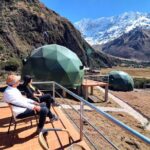
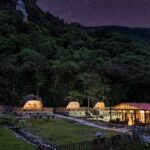
Dome comfort after altitude is the whole point here. This 5-day Salkantay trek to Machu Picchu combines a tough climb with luxury dome cabins (private bathroom and hot shower), plus one of the world’s most dramatic destinations at sunrise.
I especially love two things: the high-pass views on Day 2 from about 4,650 m (15,200 ft), and the way the route keeps changing—from high Andean passes to high-jungle walking and even a night camping in a coffee plantation.
The main thing to watch is Machu Picchu ticket coordination. One booking experience described a late realization that Machu Picchu tickets weren’t secured yet, which nearly forced a shorter hike. You can avoid stress by confirming ticket and bus timing well before your trek starts.
In This Review
- Key highlights that matter in real life
- A dome-and-passes Salkantay route that hits the emotional highs
- Price and what you actually get for $700
- Before you go: altitude, packing, and the bag rules
- What to bring
- How luggage works (and when you carry)
- Food preferences
- Accessibility note (confirm if needed)
- Entering the route: Cusco, Mollepata breakfast, Challacancha, and Humantay Lagoon
- What makes Day 1 worthwhile
- The possible drawback on Day 1?
- Day 2’s big test: the 4,650 m pass between Salkantay and Tucarhuay
- Why this day feels different
- Day 3: high jungle descent, the Lluskamayo crossing, and coffee-plantation domes
- Coffee isn’t just a stop. It’s part of the day.
- Day 4: Llactapata viewpoints, Hydroelectrica lunch, and the train-track walk to Aguas Calientes
- What you’ll notice on this day
- Hot springs are a real reward
- Day 5: the 5:30 am bus, a sunrise Machu Picchu tour, and optional Huayna Picchu
- What the guided time gives you
- Optional Huayna Picchu climb
- The train back to Cusco area
- Small group pace, bilingual guide, and the comfort system
- The guide and kitchen team are part of the value
- The dome setup reduces the “post-trek crash”
- Logistics you should take seriously: Machu Picchu slots and your early-morning plan
- Who this trek suits best (and who should think twice)
- Should you book this Salkantay trek with Sky Lodge domes?
- FAQ
- How many people are in the group?
- Is pickup from Cusco included?
- What kind of lodging do you get during the trek?
- Are meals included?
- Is Machu Picchu admission and the bus included?
- What time do you visit Machu Picchu?
- Do I need to bring a sleeping bag?
- Can I climb Huayna Picchu?
Key highlights that matter in real life
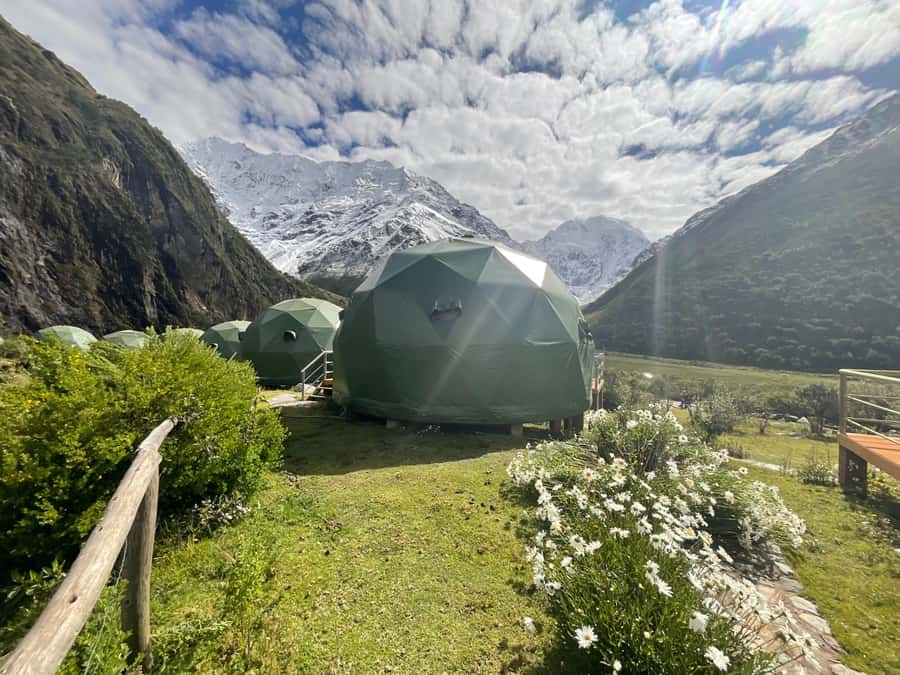
- Luxury domes with private bathroom and hot shower so you’re not dealing with cold, shared facilities after long days.
- Small group size (max 10), which usually makes the pace feel more controlled and the guide easier to rely on.
- The 4,650 m highest pass day with big mountain views and a real chance of snow at altitude.
- Coffee-plantation camp where you learn the process (harvest, roast, grind) as part of the trek.
- Sunrise Machu Picchu plan using the early bus (around 5:30 am) and then a guided tour for about 2 hours.
- Luggage support plus a carry day: horsemen/mules move gear early on, but from Day 4 you carry your own bags.
Other ways up to Machu Picchu, reviewed
- From Cusco: Full-Day Group Tour of Machu Picchu★ 4.7 · 1,767 reviews
- Machu Picchu Day Trip from Cusco★ 4.5 · 1,644 reviews
- Machu Picchu: Full-Day Tour from Cusco with Optional Lunch★ 4.6 · 927 reviews
- Cusco: 4-Day Inca Trail to Machu Picchu with Accommodation★ 4.8 · 432 reviews
A dome-and-passes Salkantay route that hits the emotional highs
If you want the classic Salkantay challenge, this delivers. You’ll reach the trek’s highest pass around 4,650 m, cross the high jungle, and work your way down toward the Urubamba Valley before Machu Picchu enters the picture.
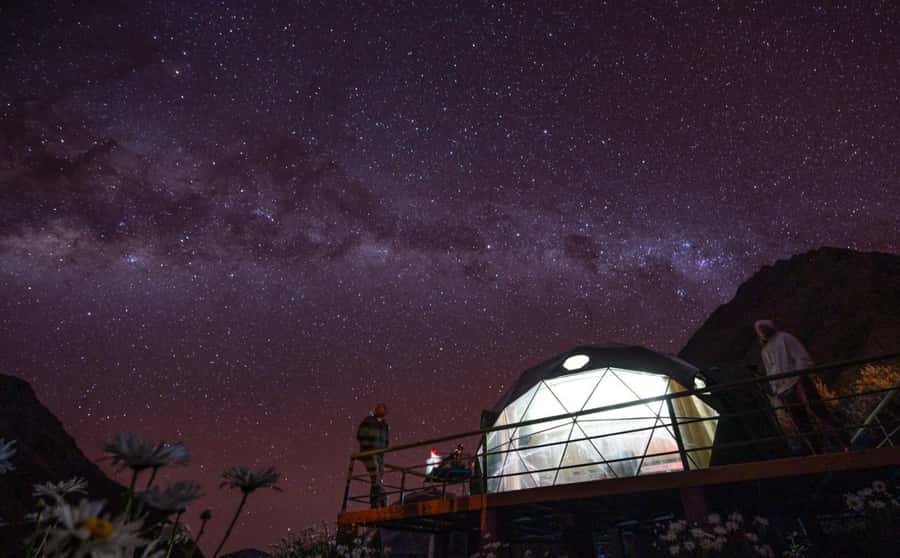
But what makes this version different is that you’re not roughing it every night. The Sky Lodge Dome-style setup is built around comfort at camp: private bathroom and hot shower in your dome, plus a kitchen setup where a cook prepares meals. When you’re doing big elevation days, that matters more than people think. A warm shower and an actual place to sleep can turn Day 3 from exhausting to manageable.
Price-wise, this costs about $700 per person for 5 days. That’s not cheap, but you’re paying for more than “being on a trek.” You’re paying for guide time, transport segments, meals, Machu Picchu entry, and the domes (which cost real money to provide). If you were to piece together trains, guides, permits/tickets, lodging, and camp logistics yourself, the math usually doesn’t look better.
That said, I’d treat ticket timing as your one must-manage item. The mountains don’t care about your schedule, but Machu Picchu does.
Price and what you actually get for $700
At $700 for 5 days, you’re buying a package that includes a lot of the moving parts. Here’s the “what’s included” value in plain terms:
- Guide + language coverage: a professional bilingual guide (Spanish–English). That’s important on a route where explanations help you feel less lost and more in control.
- Transport: you’re picked up from Cusco and transported to the starting area, plus return transport from Ollantaytambo back to Cusco.
- Food almost every day: 4 breakfasts, 4 lunches, 4 dinners, and 4 snacks. The first breakfast and last dinner are not included, so you’re not totally hand-to-mouth.
- Camp support: horsemen and mules handle equipment and food, and carry a luggage allowance of 7 kilos per person. That reduces weight pressure early.
- Comfort lodging: luxury domes with private bathroom and hot shower for the nights on the trek, plus 1 night accommodation in Aguas Calientes.
- Machu Picchu essentials: tickets, bus up from Aguas Calientes, and a guided tour once you’re there.
- Train connection: Aguas Calientes to Ollantaytambo is included.
So what are you not paying for? You’ll provide a few items yourself like a sleeping bag (not included) and trekking sticks (not included). You’ll also need to bring warm clothing and your own daypack.
To me, this package feels best for travelers who want the real Salkantay experience but don’t want to sacrifice basic comfort every night.
Before you go: altitude, packing, and the bag rules
You’ll start in Cusco, and altitude is part of the trek’s difficulty. The operator recommends you arrive at least 2 days before to acclimatize. I agree. Cusco acclimatization isn’t optional if you want to enjoy the trek instead of “survive” it.
What to bring
Based on what you’re told to pack, plan for cold mornings and sun exposure:
- warm clothing
- sunglasses + sun hat
- daypack
- trekking gear + hiking shoes
- cash
- passport or ID card
Sleeping bag isn’t included, so bring one that works for cold nights in the domes.
Other Salkantay routes to compare
How luggage works (and when you carry)
This is one of the most important practical details:
- Horsemen/mules move your equipment and food, and they handle personal luggage up to 7 kg per person.
- Your duffel bag is carried for you until the third day.
- From Day 4 onward, you carry your own bags.
There’s also an optional shortcut on Day 4: you can send luggage by car from Playa to Hidroelectrica and then by train to Aguas Calientes. It costs about 20 soles, paid directly. If you’re already close to your limit, that option can make the Day 4 walk feel less like punishment.
Food preferences
Vegetarian and vegan meals are available on request with no extra charge. If you need this, tell your provider ahead of time so the cook can plan properly.
Accessibility note (confirm if needed)
The info lists wheelchair access, but it also says the trek is not suitable for people with mobility impairments. If you’re considering this with any mobility constraints, you’ll need to ask the operator directly how they handle transport and uneven terrain.
Entering the route: Cusco, Mollepata breakfast, Challacancha, and Humantay Lagoon
Your Day 1 starts early—hotel pickup around 4:30–5:00 am. You’ll drive to Mollepata (about 2 hours) for breakfast, then transfer again to Challacancha (around 40 minutes) where the hike begins.
What makes Day 1 worthwhile
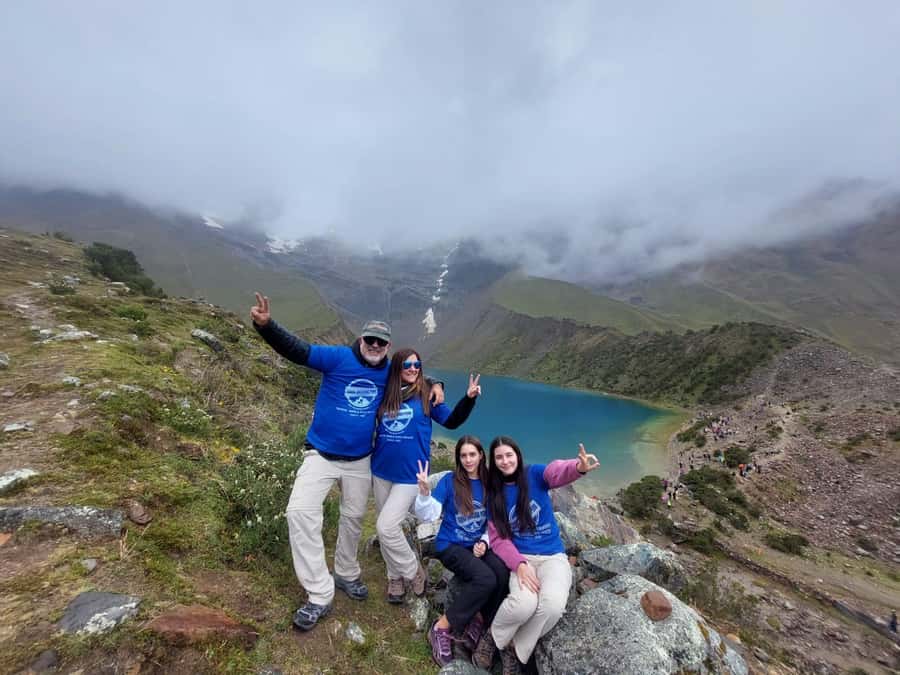
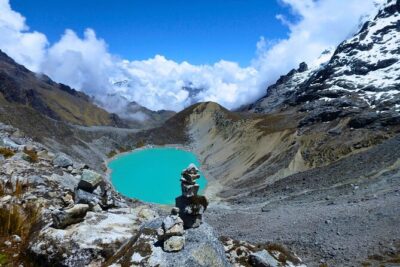
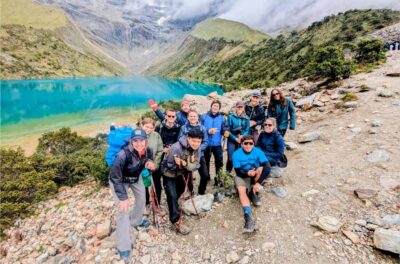
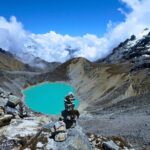
Day 1 isn’t just “walking until you camp.” You’ll also visit Humantay Lagoon, one of the most photographed spots in the Salkantay orbit for good reason: it’s a high-altitude landscape scene that helps you understand what you’re really climbing toward. Even on a long travel day, that stops the trek from feeling like pure logistics.
At the end of the day you’ll sleep in domes at the Soraypampa campsite area. After a first day that includes early starts and altitude, I love having a warm, private setup waiting for you.
The possible drawback on Day 1?
Not really a route problem. It’s just reality: at these elevations, the domes can get very cold. One account mentioned Day 1 night was extremely cold, so bring real warmth. A thin jacket usually fails you here.
Day 2’s big test: the 4,650 m pass between Salkantay and Tucarhuay
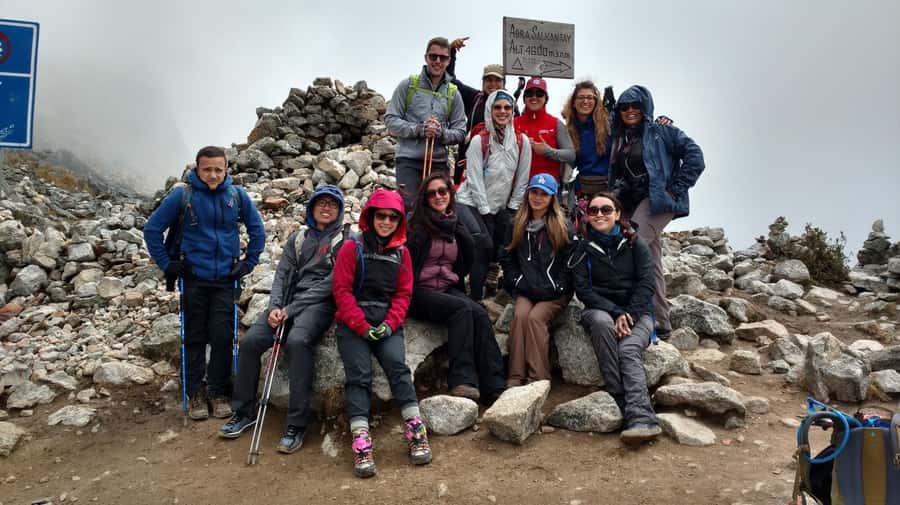
Day 2 is the classic “Salkantay is no joke” moment. Breakfast is around 5:30 am, then you hike toward the trek’s highest pass at about 4,650 m / 15,200 ft.
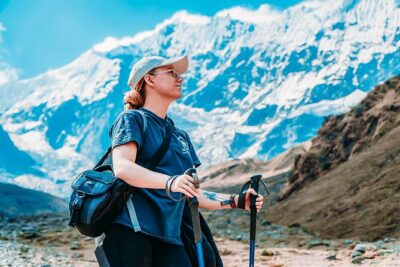
The pass sits between two major mountains: Salkantay on the right and Tucarhuay on the left. From that point, the views are the payoff—snow-capped peaks can appear, and the whole area feels exposed in a way you don’t forget.
Why this day feels different
Most treks have one big summit day. This one has a big high-pass feel even if you’re not technically summiting a mountain peak. It’s long, it’s cold, and it tests breathing and pacing. But it also sets the tone. Once you’ve crossed that pass, the trek changes from “effort” to “flow.”
If you want to maximize your experience, focus on steady walking rather than speed. With group treks, it’s easy to accidentally sprint the first part, then pay for it later on the pass.
That night, you camp in domes at the Chaullay area.
Day 3: high jungle descent, the Lluskamayo crossing, and coffee-plantation domes
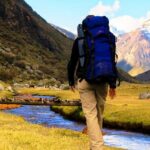
After breakfast around 6:30 am, Day 3 drops you into a different world. The hike heads through the high jungle, including a crossing over the Lluskamayo River and walking along streams.
The timing here matters: you reach Playa after about 4 hours of walking, and then you camp in geodesic domes in a coffee plantation.
Coffee isn’t just a stop. It’s part of the day.
This camp is memorable because you’re not only sleeping there—you’ll learn about the coffee process as part of the trek: harvest, roast, and grind. That gives you a grounded connection to what you’re walking through. You’re moving through working landscapes, not just scenery.
This is the day that tends to feel the most varied, and one account even highlighted that the daily hikes are different each day—mountain to forest to approach to Machu Picchu.
Day 4: Llactapata viewpoints, Hydroelectrica lunch, and the train-track walk to Aguas Calientes
Day 4 is where your legs start to feel the distance, but your eyes start feeding on big views.
Breakfast is at 6:30 am, and the goal is to reach Llaqtapata (Llactapata) early. This stop includes walking part of the original Inca trail, plus meeting locals who live in the area—small, real interactions instead of just passing by.
What you’ll notice on this day
- You can harvest various fruits along the way.
- You get some of the best Urubamba Valley views.
- Salkantay Mountain appears in the background.
- You’ll get your first clearer glimpse of Machu Picchu.
Then you continue to Hidroelectrica, where you’ll have lunch. After that, you walk along the train track for about 2.5 hours until you reach Aguas Calientes. You’ll sleep in a hostel in town.
Hot springs are a real reward
If you want a low-effort win after the walk, you can use the hot springs in Aguas Calientes. The entrance is about 10 soles, and it’s one of the best ways to reset sore feet before the Machu Picchu morning.
Day 5: the 5:30 am bus, a sunrise Machu Picchu tour, and optional Huayna Picchu
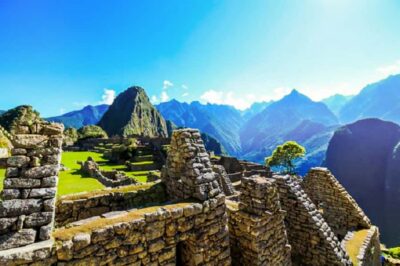
Day 5 starts very early—around 5:00 am. Breakfast comes first, then you head to Machu Picchu via the first bus, leaving at about 5:30 am. The ride lasts around 25 minutes, and the whole point is timing: you’ll see Machu Picchu as the sun rises.
What the guided time gives you
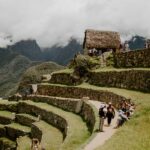
Your guide provides about a 2-hour tour once you’re inside. That guided window is valuable because Machu Picchu is easier to understand when someone explains what you’re looking at: terrace logic, key structures, and why the site is laid out the way it is.
After the tour, you can explore on your own.
Optional Huayna Picchu climb
If you still have energy, you can climb Huayna Picchu (about 2,720 m / 8,890 ft). The ascent to the top is listed as around 1:45 minutes, and availability depends on booking in advance.
The train back to Cusco area
You’ll take the train later in the day, with two possible times depending on availability:
- around 2:00 pm–4:00 pm
- or 6:20 pm
You arrive in Ollantaytambo after about 2 hours, then private transport takes you back to Cusco.
This end-to-end structure helps you avoid the common Machu Picchu trap: spending your precious time lost in schedules instead of actually experiencing the place.
Small group pace, bilingual guide, and the comfort system
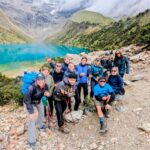
This trek is designed for a small group—limited to 10 participants. In practice, that usually means fewer bottlenecks on narrow sections and easier communication when you’re tired and questions come fast.
The guide and kitchen team are part of the value
You get a professional bilingual guide and a cook who prepares meals. Different runs can involve different staff, but accounts include strong praise for guides like Roberto and Abel, and chefs like Mario and Exaltación. Translation: you’re not just hiring someone to lead you from point A to point B. A good guide helps you pace altitude, keep morale up, and navigate timing for Machu Picchu.
The dome setup reduces the “post-trek crash”
When camp includes private bathroom and hot shower, you can actually recover. That affects Day 5 too. If you’ve got energy left, you’ll enjoy the Machu Picchu morning more. If you’re chilled and exhausted, you rush through and miss details.
Logistics you should take seriously: Machu Picchu slots and your early-morning plan
Here’s the one issue I’d manage proactively: ticket timing and slot availability.
One booking experience described arriving for the pre-trek briefing and realizing Machu Picchu tickets hadn’t been secured yet. A solution was provided by the guide, but it required shortening the hike by a day to get the desired entry slot.
You can’t control Machu Picchu’s reservation system, but you can reduce risk by asking early:
- Are Machu Picchu tickets secured in your correct time slot?
- How is the bus to Machu Picchu handled on Day 5?
- What happens if a slot changes—would the itinerary shorten?
Also note that Day 5 uses the first bus around 5:30 am, and the guided tour is about 2 hours, so your time inside Machu Picchu is structured. If your slot gets changed, that morning plan can shift.
Who this trek suits best (and who should think twice)
This is a challenging trek with altitude and long walking days. It’s ideal for you if:
- you want the Salkantay route but prefer domes with private hot showers
- you like small group treks with a bilingual guide
- you want a memorable Day 3 element (coffee plantation) rather than just “camp walking”
- you care about Machu Picchu timing and want a sunrise visit
It may not be a good fit if you:
- have back problems
- have heart problems
- are pregnant
- have mobility impairments (and you should confirm specifics even if wheelchair access is listed)
Even if you’re generally fit, the day-to-day altitude and the Day 4 walk to Aguas Calientes are real. Be honest about your limits.
Should you book this Salkantay trek with Sky Lodge domes?
I’d book it if your priority is a high-quality mix: real Salkantay challenge, comfort at camp, and a strong Machu Picchu morning plan. The dome stays, the coffee-plantation camp, and the sunrise strategy are the kind of details that make this feel like more than just a checklist.
I’d also book it with one condition: you should confirm Machu Picchu ticket status and the bus timing before you commit your schedule. One communication hiccup can turn a dream trek into a scramble, and you don’t want that stress after you’ve already climbed to 4,650 m.
If you’re comfortable with early starts, altitude acclimatization, and carrying your own bag on Day 4, this is a satisfying, well-structured way to earn Machu Picchu.
FAQ
How many people are in the group?
The group is limited to 10 participants.
Is pickup from Cusco included?
Yes. Pickup is included from your hotel if it’s within the casco monumental area.
What kind of lodging do you get during the trek?
You sleep in luxury domes with a private bathroom and hot shower during the trek, plus 1 night in a hotel/hostel in Aguas Calientes.
Are meals included?
Yes. The package includes 4 breakfasts, 4 lunches, 4 dinners, and 4 snacks. The first breakfast and last dinner are not included.
Is Machu Picchu admission and the bus included?
Yes. Tickets to Machu Picchu are included, as well as the bus from Aguas Calientes to Machu Picchu.
What time do you visit Machu Picchu?
You take the first bus from Aguas Calientes at about 5:30 am to arrive around sunrise.
Do I need to bring a sleeping bag?
Yes. A sleeping bag is not included.
Can I climb Huayna Picchu?
Yes, it’s optional if booked in advance and if availability allows. The climb is listed as about 1:45 minutes to the top.
More Tour Reviews in Cusco
More Salkantay Departures
Machu Picchu, More Ways In
Recent write-ups from around Cusco, just off the trail
- Cuzco: Rainbow Mountain Excursion
★ 5.0 · 3 reviews - 1 day excursion to Qeswachaka bridge and the 4 lagoons
★ 3.6 · 3 reviews - Waqrapukara 1 day trekking + meals
★ 3.9 · 3 reviews - Valle Sur Cusco | half day
★ 4.3 · 3 reviews - Full-Day Condor Viewpoint & Inca Sites Tour
★ 5.0 · 3 reviews
Machu Picchu Tours & Tickets, compared.
 ★ 4.7From Cusco: Full-Day Group Tour of Machu PicchuFrom $3211,767 reviews
 ★ 4.5Machu Picchu Day Trip from CuscoFrom $3361,644 reviews
 ★ 4.6Machu Picchu: Full-Day Tour from Cusco with Optional LunchFrom $283927 reviews
 ★ 4.84-Day Inca Trail to Machu Picchu with AccommodationFrom $470432 reviews
 ★ 4.6From Cusco: 2-Day Trip to the Sacred Valley and Machu PicchuFrom $370265 reviews
 ★ 4.9Machu Picchu 2-Day Inca Trail with Panoramic TrainFrom $582260 reviews
 ★ 4.2From Cusco: 2-Day Inca Trail to Machu PicchuFrom $290244 reviews
 ★ 4.9Machu Picchu: Inca Trail 2-Day Overnight Guided TourFrom $585203 reviews
Browse the lists this tour appears in