
REVIEW · MACHU PICCHU TOURS & TICKETS
Cusco: 4-Day Salkantay Trek to Machu Picchu, Panoramic Train
Two big thrills in four days: altitude and Machu Picchu. This trek pairs the famous Salkantay climb with a guided Machu Picchu morning, plus comfort upgrades like glamping and Andean huts. I also like that you get hands-on culture food stops, including a Pachamanca barbecue and an espresso-making coffee experience.
The biggest thing to weigh is effort and altitude. You’ll hike up to the Salkantay Pass (4,630 m / 15,190 ft), and the program isn’t a walk in the park. Also, facilities at the second overnight can be hit-or-miss (there have been complaints about hut/sanitary conditions, and even extra fees for a warm shower), so go in with flexible expectations.
In This Review
- Key highlights to look for
- Cusco Pickup to Humantay Lake: Getting Your Bearings Fast
- Day 2 Over Salkantay Pass: The Toughest, Most Rewarding Stretch
- Lucmabamba Pachamanca and the Coffee Farm Stop That Breaks Up the Grind
- Machu Picchu Sunrise and the Guided Citadel Circuit
- Vistadome or 360° Panoramic Train: A Scenic Finish You’ll Feel
- Food, Comfort, and Why the Small Group Cap Matters
- Price and Value: Why $552 Can Make Sense for This Route
- Who This Salkantay Trek Fits Best (and Who Should Skip)
- Practical packing tips that actually help
- Should You Book This Trek to Machu Picchu?
- FAQ
- What’s the duration and typical group size for this experience?
- What are the key stops on the 4 days?
- What’s included in the trek meals?
- How do I handle Machu Picchu or Huayna Picchu tickets?
- Is pickup from Cusco included?
- Is this trek suitable for everyone?
Key highlights to look for
- Salkantay Pass at 4,630 m: the big day with huge mountain views and a clear sense of accomplishment
- Humantay Lake turquoise payoff: one of the prettiest early moments on the trek
- Pachamanca + coffee farm hands-on: slow-cooked underground meal and you brew your own espresso
- Comfort with limits: glamping tents, Andean huts, a 3-star hotel in Aguas Calientes, plus real trekking support items
- Panoramic train return to Cusco: Vistadome or 360° trains make the finish feel special
Other ways up to Machu Picchu, reviewed
- From Cusco: Full-Day Group Tour of Machu Picchu★ 4.7 · 1,767 reviews
- Machu Picchu Day Trip from Cusco★ 4.5 · 1,644 reviews
- Machu Picchu: Full-Day Tour from Cusco with Optional Lunch★ 4.6 · 927 reviews
- Cusco: 4-Day Inca Trail to Machu Picchu with Accommodation★ 4.8 · 432 reviews
Cusco Pickup to Humantay Lake: Getting Your Bearings Fast
You’ll start early, with a 4:30 a.m. pickup from your hotel in Cusco’s historic center. From there it’s a scenic drive through Andean valleys toward the trailhead area, with breakfast in Mollepata along the way. Then you continue to Challacancha, where the trek really begins.
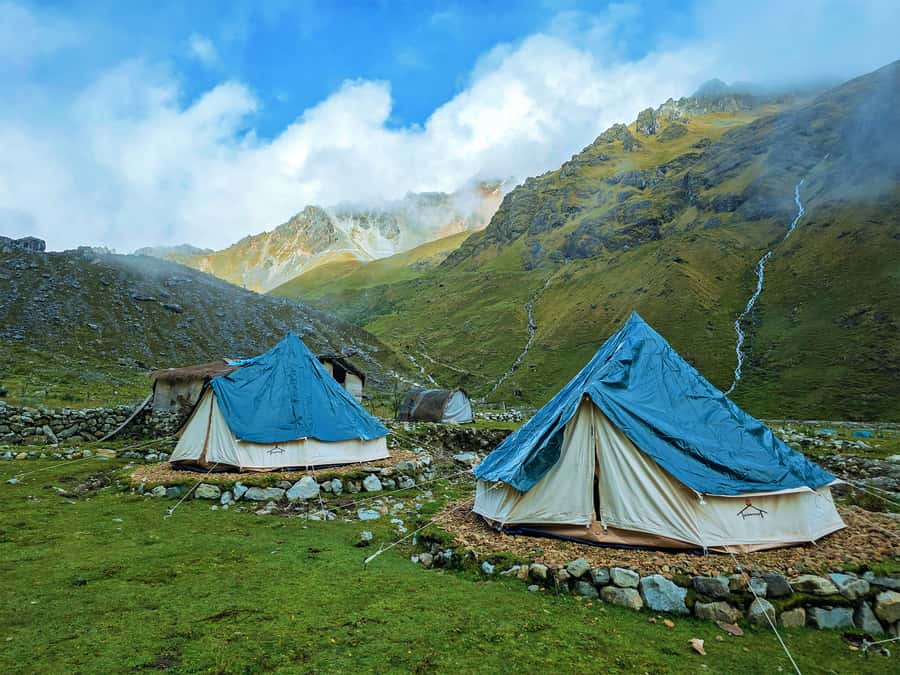
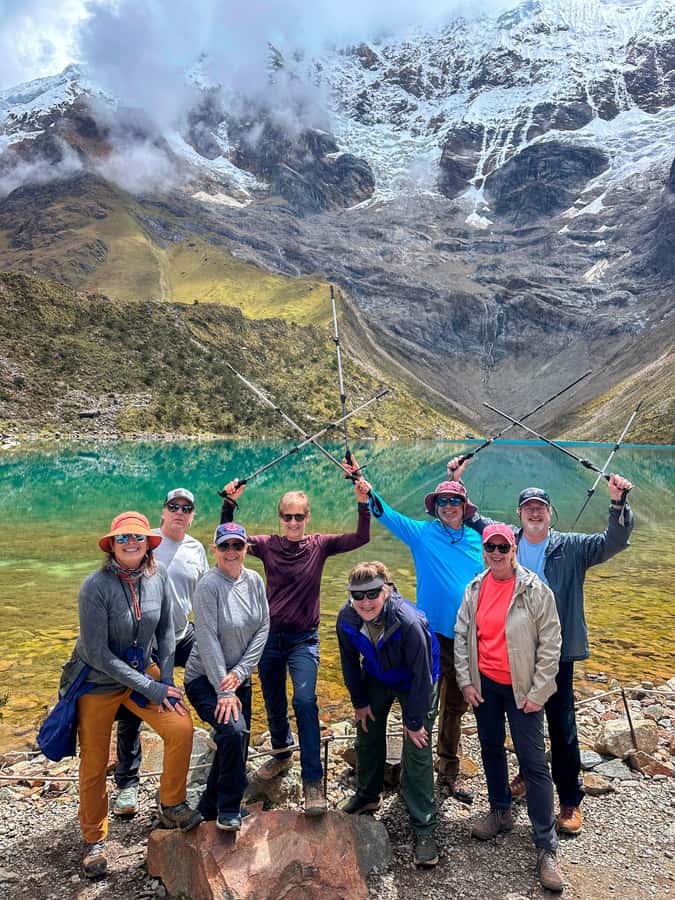
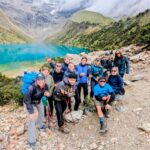
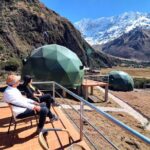
Day 1 is built to ease you into the rhythm. You’ll trek toward Humantay Lake, famous for its striking turquoise color and dramatic views of surrounding peaks. After that “wow, we’re really here” moment, you descend to Soraypampa for lunch, then continue onward toward Salkantaypampa, where your glamping camp is set up.
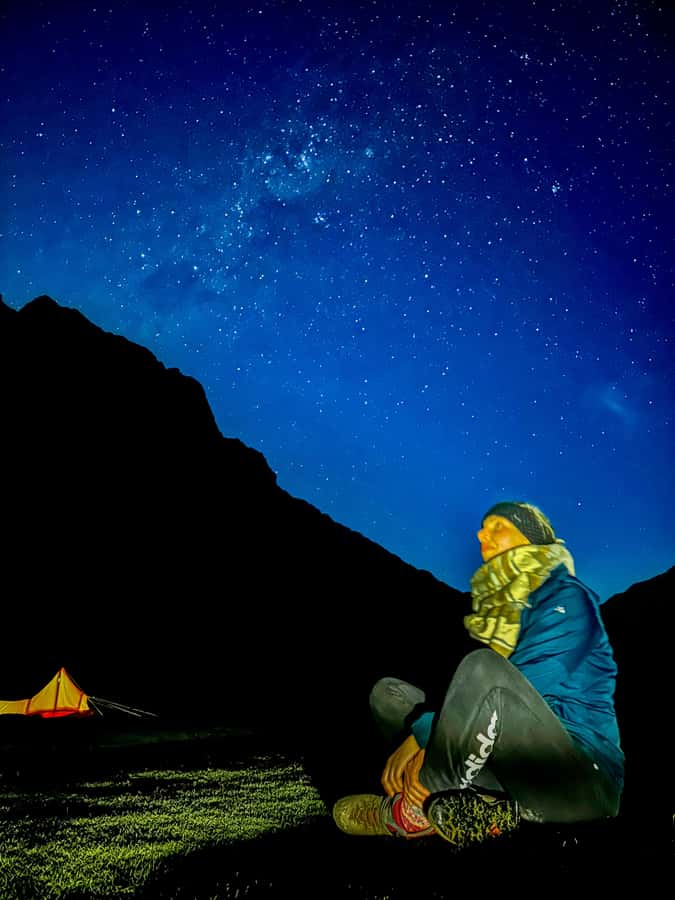
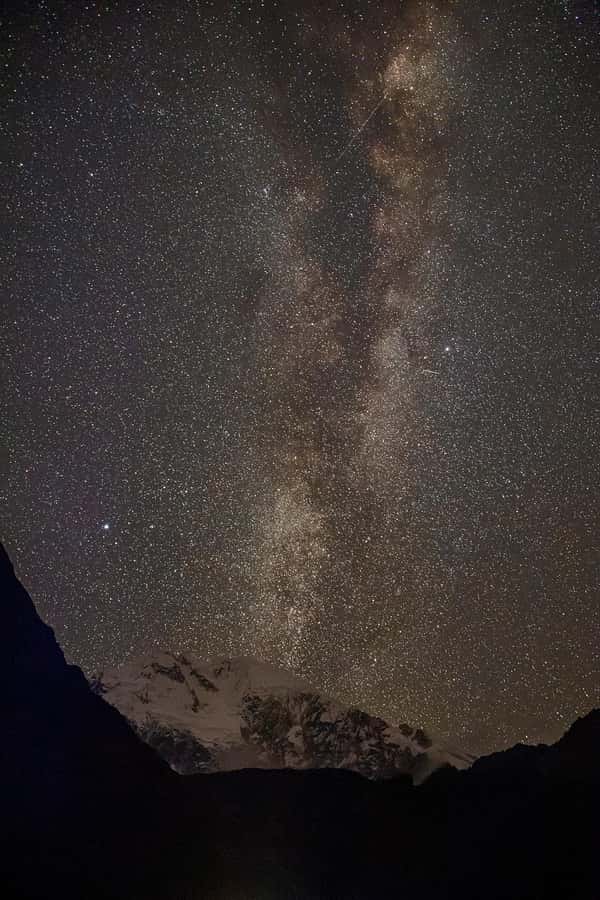
I like that this first day gives you both scenery and structure. You’re not just hiking into exhaustion—you get meals, camp support, and a chance to settle in before the hardest push. You also arrive to the kind of night where the stars feel close, and that matters after a long day and thin-air mornings.
One practical note: you’ll want the right footwear and layers even on the first day. The program provides a rain poncho and gear like a sleeping pad and hand towels, but temperatures at altitude can still surprise you. Bring a sun hat, sunglasses, sunscreen, and a change of clothes so you can dry out and feel human again.
Day 2 Over Salkantay Pass: The Toughest, Most Rewarding Stretch
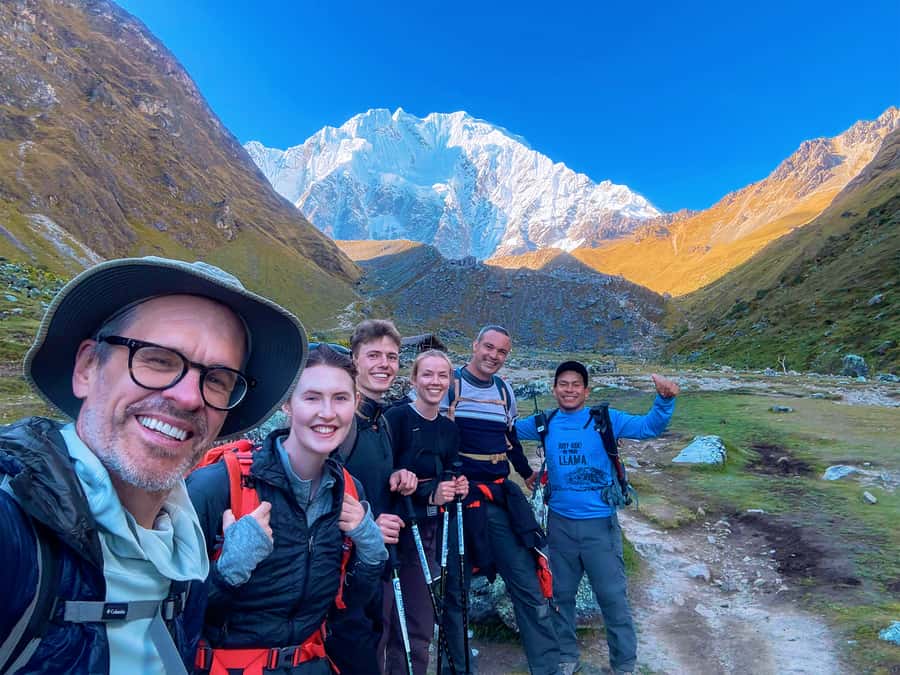
Day 2 starts with a small comfort routine—coffee or coca tea served right at the tent—then breakfast before your ascent. Your big climb is about 2 hours up to Salkantay Pass (4,630 m), which is the highest point on the route. This is where you’ll feel the altitude most, so pace is everything.
At the top, the payoff is panoramic and specific: you get views of snow-capped peaks and a quieter, lower scene below, with Salkantay Mountain and the lake visible. Then the schedule turns practical. You descend for about 3 hours to Wayracmachay for lunch, which is a well-timed break after the hardest part of the day.
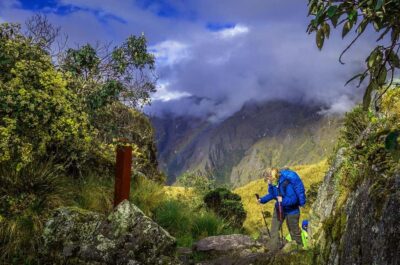
After lunch, you shift environments. The next 3 hours take you down into cloud forest, and this is a change of scenery you’ll remember—colorful flowers, orchids, and hummingbirds. It’s a good reminder that the Andes aren’t just one type of view. By evening you reach Collpapampa and your Andean huts for the night.
Why this day works (when you take it seriously): the program clearly plans for altitude management. In experiences shared by past groups, camps have been chosen higher than expected so you can adapt and avoid going too fast on the next day. That’s the kind of small planning detail that makes a big difference.
The drawback: if you’re not used to sustained uphill walking, this is where it will test you. And it’s not just physical. You’ll need calm breathing, steady steps, and the patience to accept slower moments.
Lucmabamba Pachamanca and the Coffee Farm Stop That Breaks Up the Grind
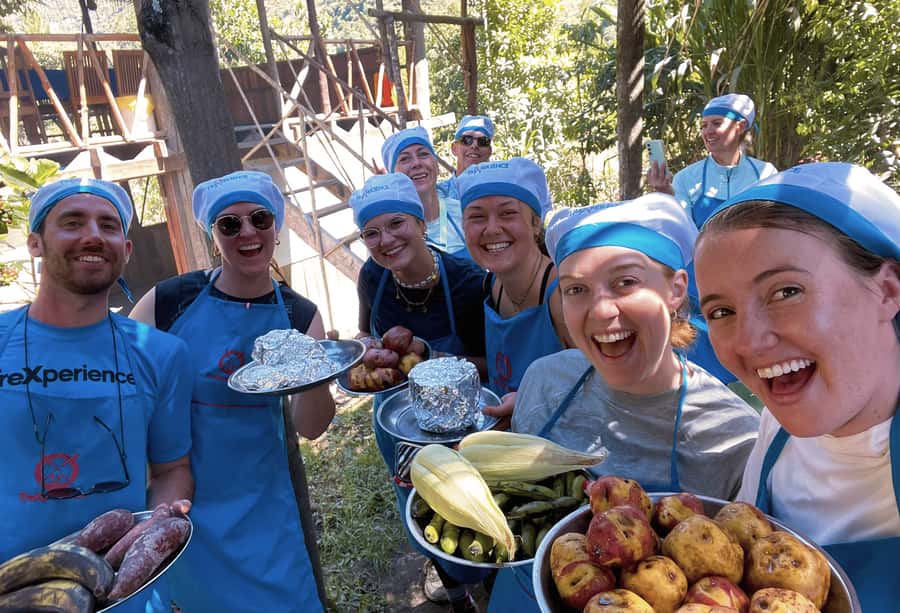
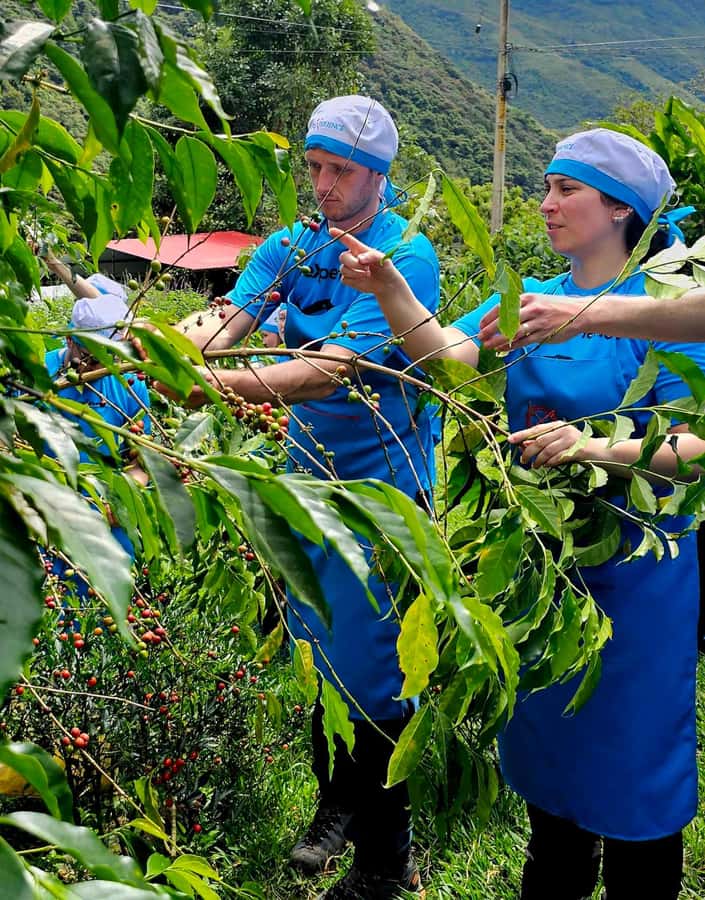
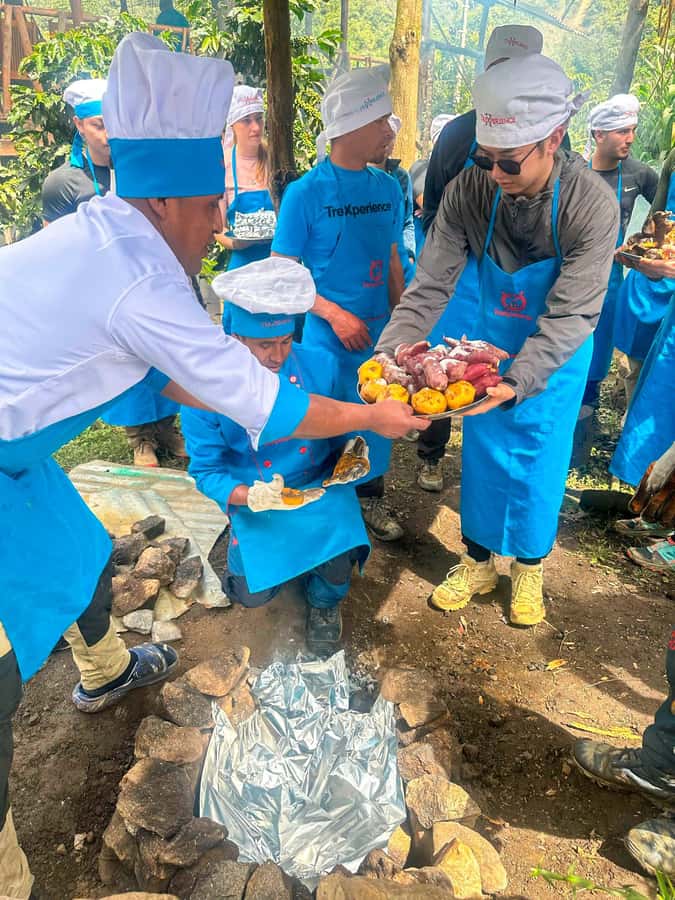
Day 3 is where the trek gets more than scenic. After breakfast in Collpapampa, you hike about 3 hours to Lucmabamba. This is your moment for the Pachamanca barbecue, a classic Andean way of cooking: vegetables, fruits, and meats slow-cooked underground with hot stones.
It’s not just eating. The whole point is that it’s slow and communal, which gives your body and mind a real reset after trail time. If you care about food culture, this stop is one of the reasons this route feels more personal than the typical “hike and photo” format.
Right after, you head to a local coffee farm. You’ll learn the process from bean to cup, and you’ll even prepare your own freshly brewed espresso. For me, that’s a strong value add. It turns a snack-time activity into something you can take home as a memory of how coffee actually works in the Andes.
From Lucmabamba, you transition to the final travel push: a drive to Hidroelectrica, then another 3-hour hike to Aguas Calientes. Once you arrive, you check into a 3-star hotel, have dinner at a local restaurant, and get a proper night’s rest ahead of Machu Picchu.
This is also where expectations should be realistic. Aguas Calientes isn’t the point; Machu Picchu is. So use this time to sleep, hydrate, and keep your routine simple.
Machu Picchu Sunrise and the Guided Citadel Circuit
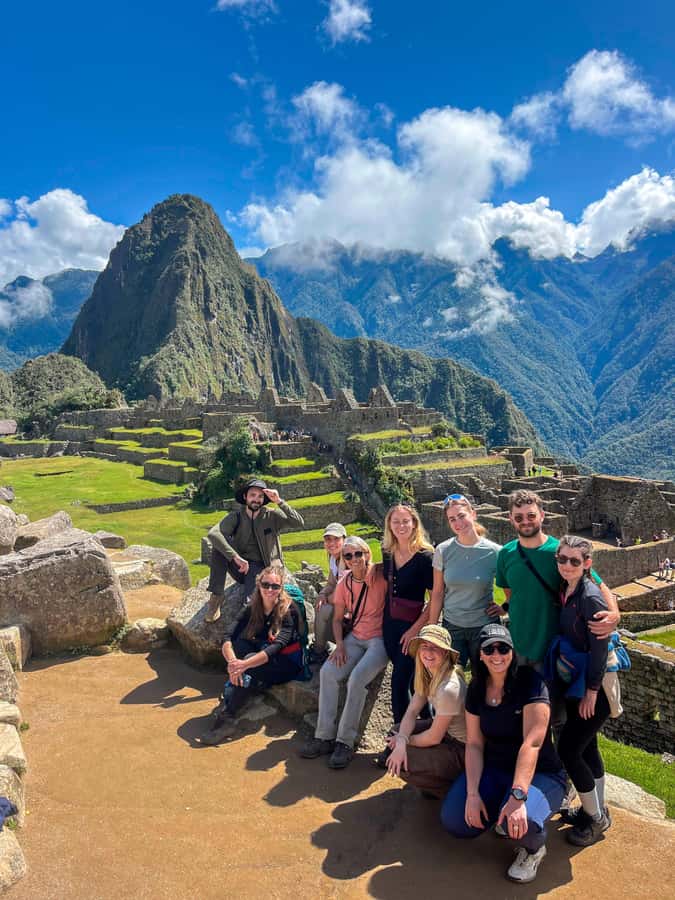
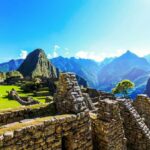
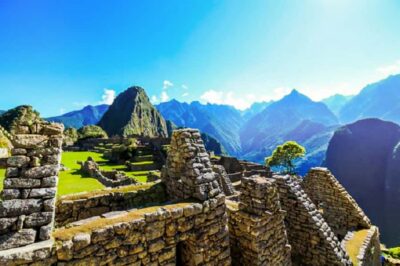
You rise early on Day 4 to catch one of the first buses to Machu Picchu. If you like dramatic entrances, this part delivers: you’ll have a chance to watch sunrise over the surrounding mountains before stepping into the citadel.
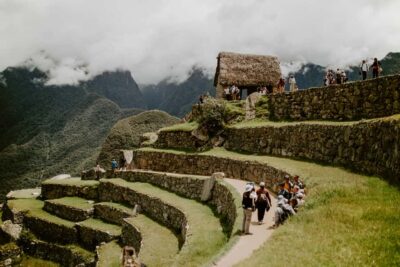
Then comes the guided portion—usually 2–3 hours exploring key areas with an expert guide who shares history and explains the site’s enduring mysteries. The guidance matters here because Machu Picchu can look like a set of impressive ruins until someone helps you connect the layout to Inca purpose and daily life.
Important practical detail: Machu Picchu ticket options are handled as part of the overall access included, but you still need to understand the ticket type. This program includes Circuit 2 by default, and if that circuit is sold out, you’ll be assigned Circuit 1 or 3 instead. Also, Huayna Picchu tickets and even Machu Picchu tickets themselves may require you to book ahead depending on availability, so don’t leave it to the last minute.
You’ll also return to Aguas Calientes for lunch (not included). Then the fun part for the finish: you head back to Cusco on a scenic train.
Other Salkantay routes to compare
Vistadome or 360° Panoramic Train: A Scenic Finish You’ll Feel
Instead of a long, boring bus ride, you’ll travel back by rail—Vistadome or 360° panoramic train. That means large windows and a more relaxed pace, turning the final leg into a proper “we made it” moment.
Once you reach Cusco, your team transfers you to your hotel. And after four days of hiking, having that handoff matters. You’re tired. You want a smooth ending.
Food, Comfort, and Why the Small Group Cap Matters
This trek is designed around meals and pacing. You get 3 breakfasts, 3 lunches, and 3 dinners on the trail, plus water and daily snacks. On top of that, the Pachamanca and coffee farm experience give you two memorable cultural stops that aren’t just included for show.
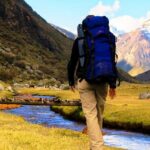
I also appreciate the practical comfort items that reduce packing stress. You get a duffle bag (up to 7kg / 11lb) for personal belongings, and you’re provided with a pillow, sleeping pad, rain poncho, and hand towels. That helps if you don’t want to travel with heavy gear.
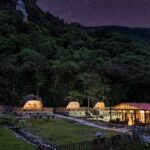
Camp comfort is the tradeoff. Night 1 is glamping, which tends to feel much more relaxing than basic camping. Night 2 is in Andean huts, and that’s where experiences can vary; there have been mentions of poor condition in some hut rentals and even extra costs for warm showers. Still, compared with many budget trekking setups, you’re not going “gear only” out there.
The small group size—limited to 16 participants—also changes how the trek feels. You get more space, and your guide can manage pace and questions better. Past groups highlight guide teamwork and support, including names like Alex, Filio, and José, plus chefs such as Felix, Zenobio, Dionissios, and Ismael. The consistent theme: meals are taken seriously, and guides stick close enough to keep the group moving safely.
Safety support is built in too: satellite phone, first-aid kit, and an oxygen tank are included, plus a safety briefing the day before.
Price and Value: Why $552 Can Make Sense for This Route
At $552 per person for 4 days, you’re paying for more than a hike. The value comes from the bundle: entrance to the trekking and Machu Picchu experience with a professional guide, plus all transportation and pickup/drop-off, plus rail return.
You’re also getting lodging across the route: 1 night glamping, 1 night in Andean huts, and 1 night in a 3-star hotel in Aguas Calientes with breakfast. Many “budget” treks skim on at least one of those pieces—or force you into self-arranged train and ticket logistics.
Then add in the included meals (trail breakfasts, lunches, dinners, and snacks), plus cultural activities like Pachamanca and the coffee experience. If you’ve ever tried to price out food + guide time + entry tickets + internal transport separately, you’ll understand why packages like this can be a good deal—especially when you’re trying to avoid last-minute ticket stress.
The only caution on value: if you want warm showers or certain comfort upgrades, you may find extra charges depending on the camp setup. Build a little buffer into your spending habits.
Who This Salkantay Trek Fits Best (and Who Should Skip)
This is a serious trek. It’s not described as suitable for pregnant women, people with back problems, people with mobility impairments, people with heart problems, or wheelchair users. If any of those apply, I’d steer you toward a different style of trip.
For others, it fits well if you:
- Want a classic Peruvian trekking route with real altitude challenge
- Appreciate guided context at Machu Picchu, not just photos
- Like food culture enough to enjoy Pachamanca and a coffee-making lesson
- Are comfortable with early mornings and long hiking days
One more practical fit check: this route can be a lot even for first-timers to international trekking. That’s not a dealbreaker—just be honest about your fitness and how you’ll handle the Salkantay Pass day.
Practical packing tips that actually help
Here’s what matters most, based on what the program asks you to bring:
- Your passport (required for booking)
- Comfortable hiking shoes and sun protection: sunglasses, sun hat, sunscreen
- Rain gear and warm layers (you’ll be at altitude, and rain happens)
- Insect repellent, plus toiletries and small cash
- A camera if you love mountain views (you’ll have plenty of chances)
- A flashlight for early or low-light camp routines
Also, keep your load sane. You’ll carry only what fits your 7kg duffle bag allowance, and you’ll be happier if you pack light on day-to-day changes of clothes.
And follow the rules: no smoking, no alcohol or drugs, no weapons or sharp objects, and don’t make fires. It’s standard safety and respect for the areas you pass through.
Should You Book This Trek to Machu Picchu?
If you want the full Salkantay experience—Humantay Lake, the Salkantay Pass, cloud forest walking, a real cultural food break with Pachamanca, and a guided sunrise Machu Picchu morning—this is a strong option.
I’d book it if:
- You’re fit enough for a high pass and long hikes
- You value included meals and guide support
- You like comfort steps along the way (glamping + hotel at the end)
I’d hesitate if:
- You’re sensitive to altitude or have any mobility or heart/back concerns
- You’re expecting consistently “nice” hut facilities and zero extra charges for comfort items
- You need a low-effort trip with no early mornings
If you meet the fitness basics and bring flexible expectations about camp comfort, you’ll likely feel like you got real value for your money—because the trip isn’t just transport to Machu Picchu. It’s the whole road there.
FAQ
What’s the duration and typical group size for this experience?
This is a 4-day trek experience. It runs as a small group limited to 16 participants.
What are the key stops on the 4 days?
You’ll go from Cusco toward Humantay Lake and the Salkantay trek, reach the Salkantay Pass, visit areas along the cloud forest route, arrive in Aguas Calientes, then visit Machu Picchu and return to Cusco by train.
What’s included in the trek meals?
All meals on the trail are included: 3 breakfasts, 3 lunches, and 3 dinners, plus water and daily snacks. Lunch on the last day in Aguas Calientes is not included.
How do I handle Machu Picchu or Huayna Picchu tickets?
Machu Picchu access is part of the included experience, but you still need to book ahead. Huayna Picchu tickets are optional and also require booking ahead.
Is pickup from Cusco included?
Yes. Pickup is included from your hotel in Cusco’s Historic Center. If your hotel is outside the district, you’ll need to meet at a designated spot near the main square.
Is this trek suitable for everyone?
No. It’s listed as not suitable for pregnant women, people with back problems, people with mobility impairments, people with heart problems, or wheelchair users.
More Tour Reviews in Cusco
More Salkantay Departures
Machu Picchu, More Ways In
Recent write-ups from around Cusco, just off the trail
- Cuzco: Rainbow Mountain Excursion
★ 5.0 · 3 reviews - 1 day excursion to Qeswachaka bridge and the 4 lagoons
★ 3.6 · 3 reviews - Waqrapukara 1 day trekking + meals
★ 3.9 · 3 reviews - Valle Sur Cusco | half day
★ 4.3 · 3 reviews - Full-Day Condor Viewpoint & Inca Sites Tour
★ 5.0 · 3 reviews
Machu Picchu Tours & Tickets, compared.
 ★ 4.7From Cusco: Full-Day Group Tour of Machu PicchuFrom $3211,767 reviews
 ★ 4.5Machu Picchu Day Trip from CuscoFrom $3361,644 reviews
 ★ 4.6Machu Picchu: Full-Day Tour from Cusco with Optional LunchFrom $283927 reviews
 ★ 4.84-Day Inca Trail to Machu Picchu with AccommodationFrom $470432 reviews
 ★ 4.6From Cusco: 2-Day Trip to the Sacred Valley and Machu PicchuFrom $370265 reviews
 ★ 4.9Machu Picchu 2-Day Inca Trail with Panoramic TrainFrom $582260 reviews
 ★ 4.2From Cusco: 2-Day Inca Trail to Machu PicchuFrom $290244 reviews
 ★ 4.9Machu Picchu: Inca Trail 2-Day Overnight Guided TourFrom $585203 reviews
Browse the lists this tour appears in