
REVIEW · MACHU PICCHU TOURS & TICKETS
Cusco: 5-Day Salkantay Ultimate Trek to Machu Picchu
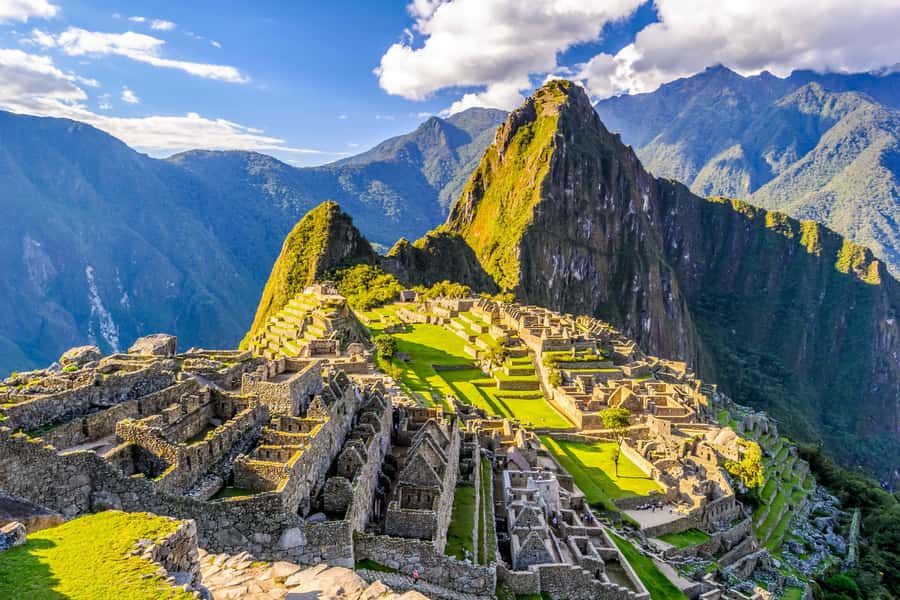
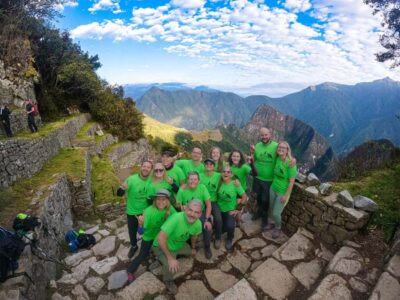
Machu Picchu after five days of high Andean grit. This Cusco-based trek is interesting because it strings together the big drama: Salkantay Pass panoramas, glacial Humantay Lake, the cloud-forest descent, and then Machu Picchu with a real guide explaining what you’re seeing.
I especially like the way the itinerary balances effort with scenery. You get that big summit feeling on Day 2, then you’re rewarded with calmer, greener walking that still feels wild. I also like the human touch: a Lucmabamba family stay on a coffee farm adds a local rhythm that’s hard to get on a pure hiking-only route.
One drawback to flag early: this is genuinely physical and at altitude. If altitude sickness is already a concern for you, this route isn’t for you, and even strong walkers will feel it.
In This Review
- Key Things That Make This Trek Worth Your Time
- Why This Salkantay Route Feels Like the Real Peru
- Day 1: Soraypampa to Humantay Lake, Big Peaks Up Close
- Day 2: The Salkantay Pass Push and the Switch to High Jungle
- Day 3: Cloud Forest Descent to Playa Sahuayaco and Lucmabamba
- Day 4: Llactapata Terraces First, Then the Descent to Aguas Calientes
- Day 5: Machu Picchu Morning With a Guide and Optional Viewpoints
- Lucmabamba Coffee Farm: Culture That Doesn’t Feel Like a Detour
- Food, Sleep Setup, and Support: The Stuff You’ll Feel Every Day
- Price and Value: What $669 Covers (and What It Doesn’t)
- Best Fit: Who This Trek Suits Well
- Should You Book This Cusco-to-Machu Picchu Trek?
- FAQ
- FAQ
- What meals are included, and what’s not?
- Is Huayna Picchu included?
- Do I need to carry all my gear?
- Do I need to bring a sleeping bag?
- Is water included every day?
- How big is the group?
- Who shouldn’t do this trek?
Key Things That Make This Trek Worth Your Time
- Crossing Salkantay Pass gives you the Andes in full scale, with some of the toughest breathing of the whole trip
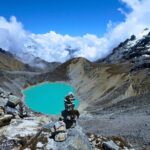
- Humantay Lake at 4,200 m is the kind of turquoise that looks unreal until you’re standing there
- Llactapata ruins first means you get a first Machu Picchu view from a quieter angle
- Lucmabamba coffee-farm family time adds culture without killing your momentum
- A guide plus support team (cook, horses, oxygen bottle, first aid) makes the hard parts more manageable
- Small group max 10 keeps the pace and logistics sane
Other ways up to Machu Picchu, reviewed
- From Cusco: Full-Day Group Tour of Machu Picchu★ 4.7 · 1,767 reviews
- Machu Picchu Day Trip from Cusco★ 4.5 · 1,644 reviews
- Machu Picchu: Full-Day Tour from Cusco with Optional Lunch★ 4.6 · 927 reviews
- Cusco: 4-Day Inca Trail to Machu Picchu with Accommodation★ 4.8 · 432 reviews
Why This Salkantay Route Feels Like the Real Peru
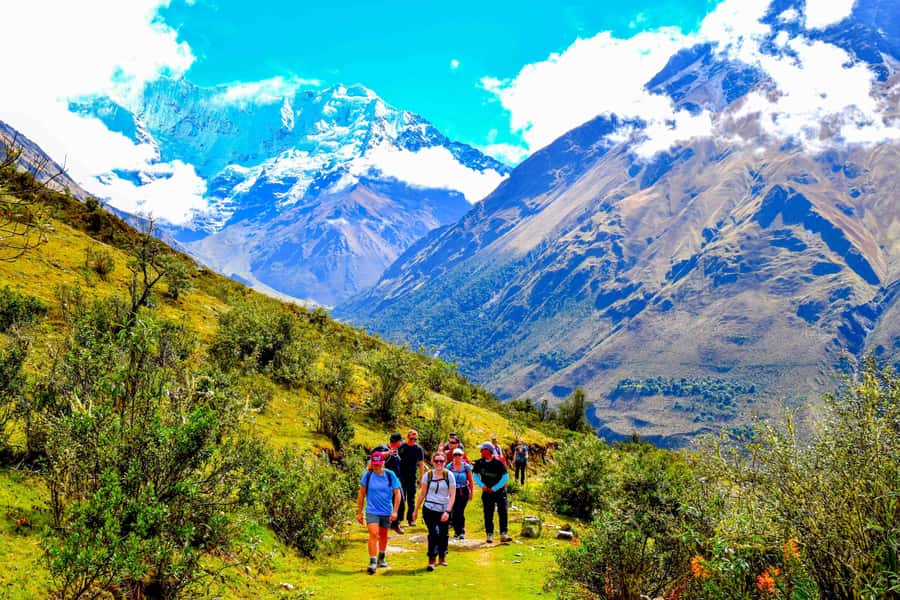
If you’re choosing Salkantay, you’re already opting for an overland-to-Machu Picchu story, not just a day trip. This version works because it layers different environments across five days: high Andean ridgelines, glacial lake views, cloud forest with waterfalls, and then the more intimate, human scale of Machu Picchu and Aguas Calientes.
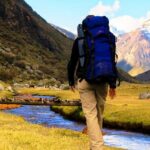
You’ll also notice the trip is built around comfort for a trek of this difficulty. You’re not lugging everything yourself; equipment rides on horseback and you only carry up to your personal limit. On top of that, there’s an oxygen bottle and a first aid kit, which matters when you’re climbing and your pace depends on how you breathe.
And yes, it’s still tough. But it’s tough in a way that feels intentional: you climb high on purpose, you get big views, then you descend into lush areas where your body can reset.
Day 1: Soraypampa to Humantay Lake, Big Peaks Up Close
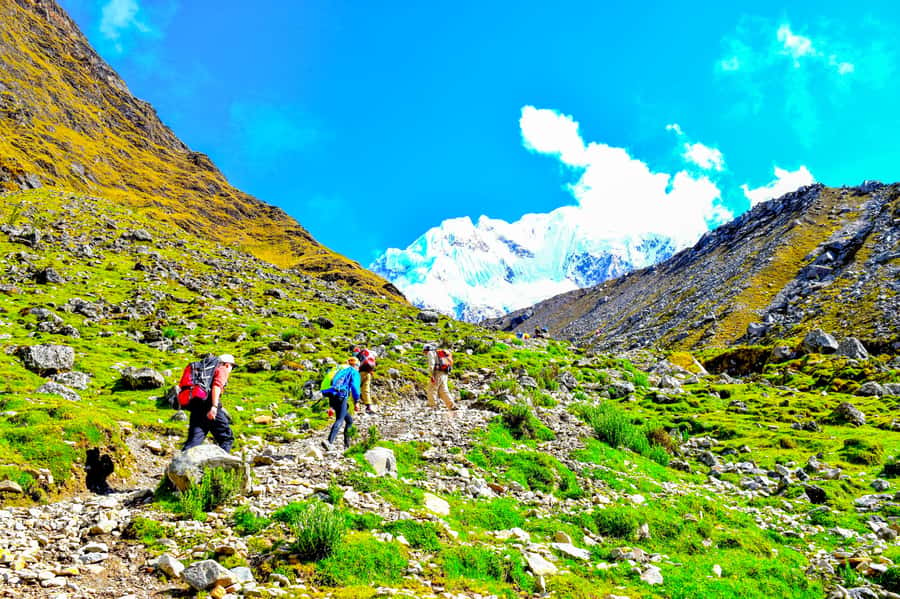
Day 1 starts with a climb toward Soraypampa at about 3,800 m. As you gain elevation, you’re not just walking through scenery—you’re walking into it. The Salkantay and Humantay mountains dominate the skyline, and the crisp air makes every upward step feel sharper.
Around midday, you eat a classic Peruvian lunch prepared by the professional cook. It’s a small thing that makes a difference: a proper lunch is what keeps the rest of Day 1 from turning into a snack-and-suffer situation.
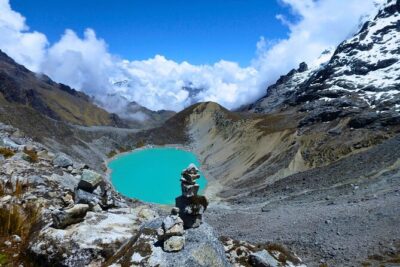
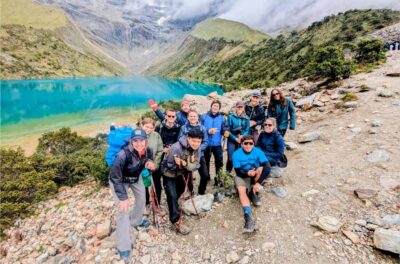
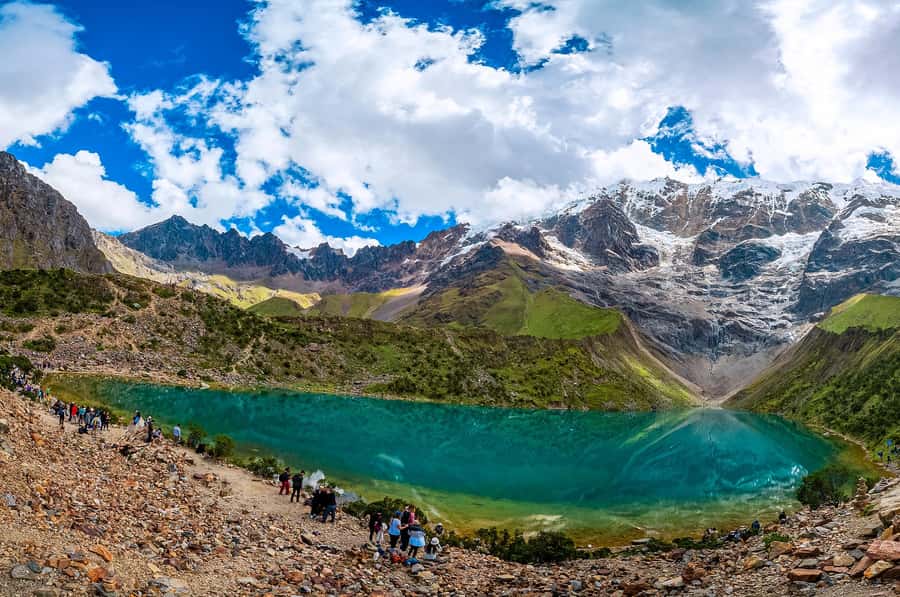
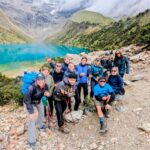
After that, you hike up to Humantay Lake at 4,200 m. The payoff is that glacial lagoon with intense turquoise water reflecting the peaks above. This is one of those places where a photo won’t capture the thinness of the air or the way the light hits the water. Then you head back to camp, where dinner and a star-lit night end the day.
Practical note: bring rain gear and sunscreen. At this elevation, clouds can roll in quickly, and the sun is still strong even when it feels cold.
Day 2: The Salkantay Pass Push and the Switch to High Jungle
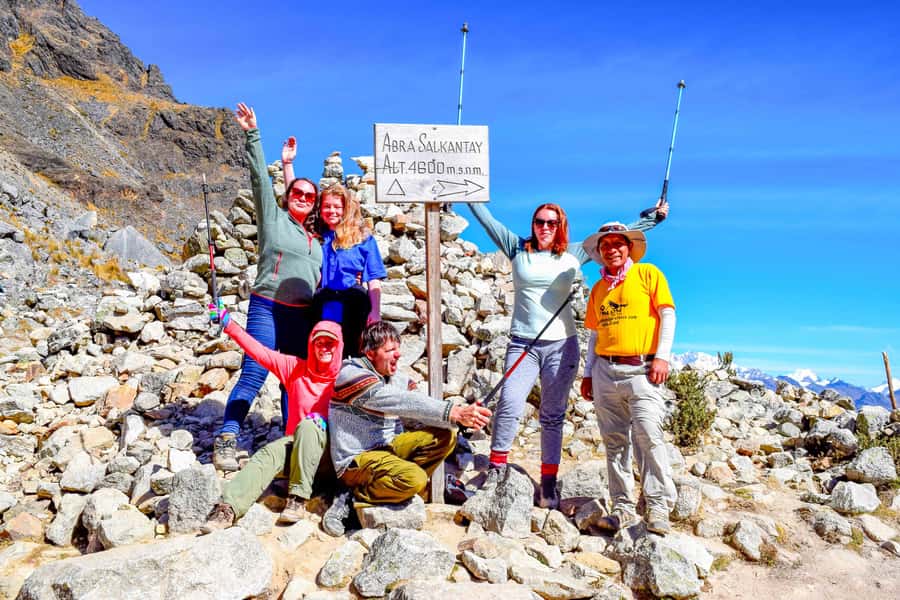
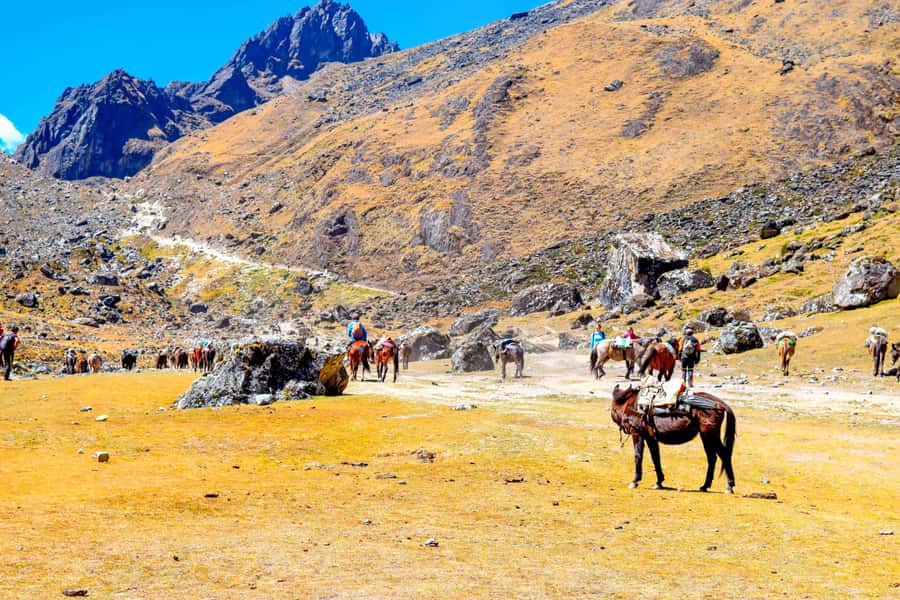
Day 2 is the big effort day. You’ll start early and climb toward the Salkantay Pass (4,630 m), the highest point of the trek. This is where your breathing matters more than your speed. Even if you’re fit, expect slow steps and frequent pauses.
The reward is the kind of panoramic view that forces your brain to switch from fatigue to awe: snow-capped peaks, jagged ridges, and deep valleys stretching outward. You’ll spend time at the pass because it’s a “stop and absorb” moment, not a “power through” moment.
Then comes the contrast. You descend into a lush, high-altitude jungle area where the temperature and greenery change the feel of the trek fast. That shift is a big part of why this itinerary feels more complete than a single-environment hike.
You end the day in camp surrounded by nature sounds, and you’ll be tired in a good way—the kind that makes sleep come fast.
One more small but important perk: the wake-up tea. Each morning staff bring tea to your tent, which sounds simple until you’re cold and your body wants to argue with you.
Day 3: Cloud Forest Descent to Playa Sahuayaco and Lucmabamba
Day 3 begins with the sounds of the jungle and your next descent, this time into cloud forest. The trail moves through misty terrain with cascading waterfalls, fruit-laden trees, and lots of plant life you usually don’t see outside of a rainforest documentary.
After about five hours, you reach Playa Sahuayaco (2,200 m). From there you enter the “eyebrow of the Amazon,” a region known for life and movement. In the afternoon you reach Lucmabamba (2,000 m)—your final campsite before the last stretch.
This is also where you start getting a different kind of energy. Days 1 and 2 are mostly about altitude and big views. Day 3 shifts you toward daily life in the Andes and the edge of the Amazon system—humidity, smells, birdsong, and that sense of being in an ecosystem, not just on a trail.
You’ll still hike, but the day feels less like a climb and more like you’re traveling through changing climates.
Other Salkantay routes to compare
Day 4: Llactapata Terraces First, Then the Descent to Aguas Calientes
Day 4 is a smart sequence: a short uphill start, a historic site that gives you a fresh angle, then a long descent that leads you to civilization again.
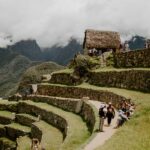
First, you hike uphill for about two hours along an original Inca trail to Llactapata ruins (2,840 m). These terraces may feel lesser-known compared to Machu Picchu, but the payoff is practical: you get an early, clear view of Machu Picchu from a perspective most people don’t get.
After exploring Llactapata, you descend through cloud forest to Hydroelectric Station (1,890 m). The trek from there to Aguas Calientes is about 1.5 hours, and then you finally get a more comfortable evening with hotel lodging.
This day is also a mental reset. You’ve climbed all week. Now you’re moving from ruins and forest into the town where Machu Picchu becomes the next scheduled chapter.
Day 5: Machu Picchu Morning With a Guide and Optional Viewpoints
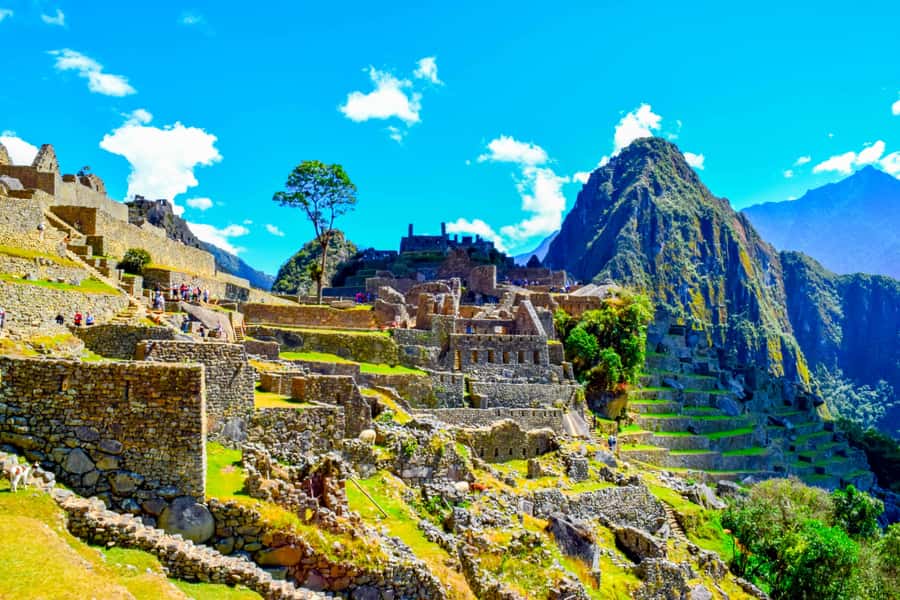
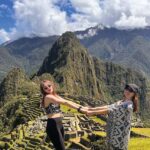
Your Machu Picchu day starts early with breakfast, then a morning bus to Machu Picchu (2,430 m). When you arrive, your guide takes you through the site with explanations of the key structures—temples, ceremonial areas, terraces, and storage buildings.
This part matters more than people think. Machu Picchu can look like pure stone until someone helps you understand how the town was arranged and why certain areas matter. An expert guide turns walking around into learning while you move.
After your tour of the citadel, you have time to do one of the optional hikes. You can go up to Huayna Picchu or choose Machu Picchu Mountain for big views. Huayna Picchu isn’t included; the entrance is US$85. If you’re deciding between the two, go by your comfort with steep climbs and your timing.
Then you head back down to Aguas Calientes for rest and lunch. In the afternoon, you board a train to Ollantaytambo, and a van takes you back to Cusco.
It’s a satisfying ending: you don’t just see Machu Picchu and sprint away. You get time, context, and then a smooth ride back toward Cusco.
Lucmabamba Coffee Farm: Culture That Doesn’t Feel Like a Detour
One of the highlights here is the Lucmabamba family connection, where you learn about their local coffee farm. This isn’t an art workshop or a pre-packaged performance. It’s time with daily work and local knowledge tied to the land.
Why it matters: after multiple days of hiking, your brain wants a different kind of focus. Coffee farming gives you that. You’re still in the same region, still in the Andean-Amazon transition zone, but you’re learning through people instead of only through views.
And because Lucmabamba is also your final campsite before the last-day route toward Machu Picchu, it slots into the trek naturally. It breaks the pattern just enough to help you feel human again before Day 4 and the big Machu Picchu morning.
Food, Sleep Setup, and Support: The Stuff You’ll Feel Every Day
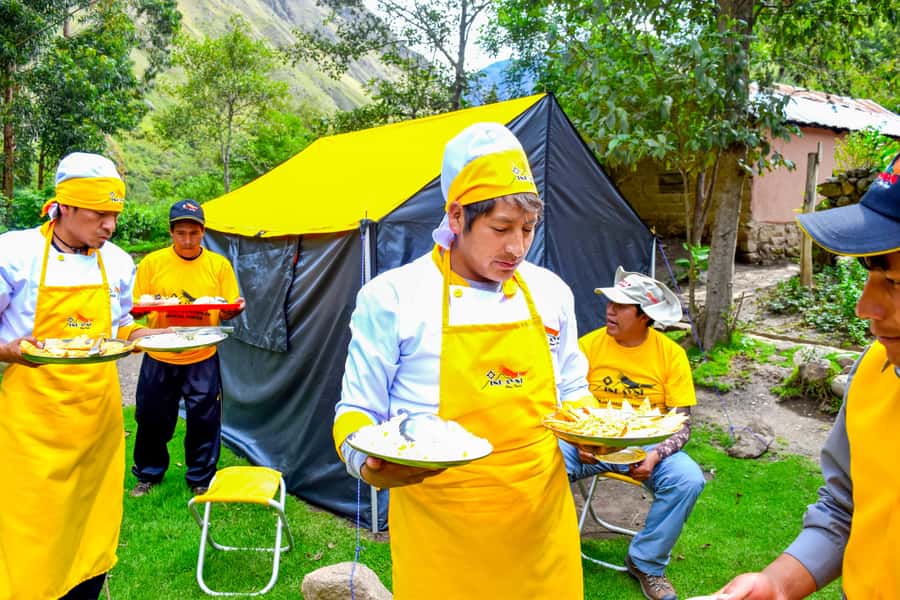
This trek is run with a support team that takes the edge off logistics. You have a professional cook, and your group eats in a dining tent with tables and chairs. You’ll also get water included except for the first 4 hours of the trek on Day 1, when you’ll need to bring your own.
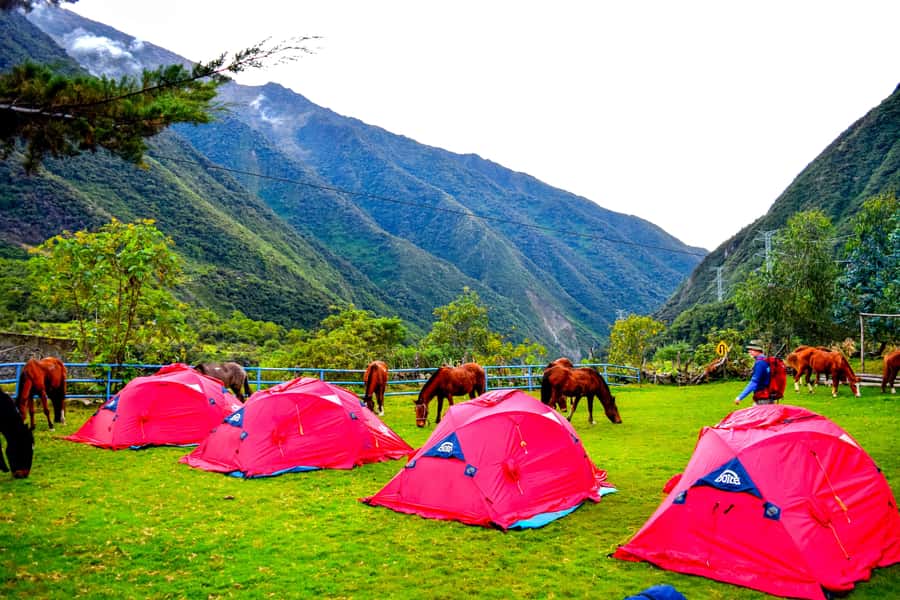
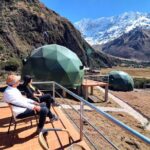
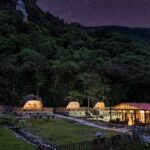
Sleeping is camping for most nights, but it’s not rough-in-the-chaos way. You get a double thickness foam sleeping mattress, and you’ll sleep in a 4-man tent for every 2 trekkers. That means you’re not crammed in like sardines.
Other small details add up:
- Wake up tea brought to your tent each morning
- A first aid kit and an oxygen bottle included
- Horses carry all equipment and up to 7 kg of your personal items
- You receive duffle bags at the pre-departure briefing so you know what’s being packed and how
If you don’t have a sleeping bag, you can hire one. Trekking poles can also be hired. Honestly, poles are one of those things that can save your knees when you’re tired, so if you have the option, consider it.
Dietary requests are handled if you tell the supplier ahead and reconfirm at the briefing. If you’ve got allergies, don’t assume the kitchen will know unless you make it clear.
Price and Value: What $669 Covers (and What It Doesn’t)
At $669 per person, this trek isn’t cheap. But you’re not paying only for hiking. Your price covers the pieces that usually add up fast on Peru trips: a professional English-speaking guide, meals (four breakfasts, four lunches, four afternoon snacks, four dinners, with the specific exclusions), entrance to Machu Picchu, bus transport, a hotel night in Aguas Calientes, and train/van back toward Cusco.
It also includes the practical safety and comfort items: horses for your gear, a foam mattress, wake-up tea, and medical support basics like an oxygen bottle and first aid kit.
What costs extra is fairly clear. Huayna Picchu entrance (US$85) is not included. Sleeping bag and trekking poles can be hired, and breakfast on Day 1 plus lunch and dinner on Day 5 are not included. Travel insurance is also strongly recommended for your whole trip, which is a sensible call because altitude and strenuous trekking carry real risk.
When I look at the overall value, I see you paying for: guidance, pacing help, and logistics handled. If you’re the kind of traveler who wants to spend your energy walking (not sorting out details), this price can make sense.
Best Fit: Who This Trek Suits Well
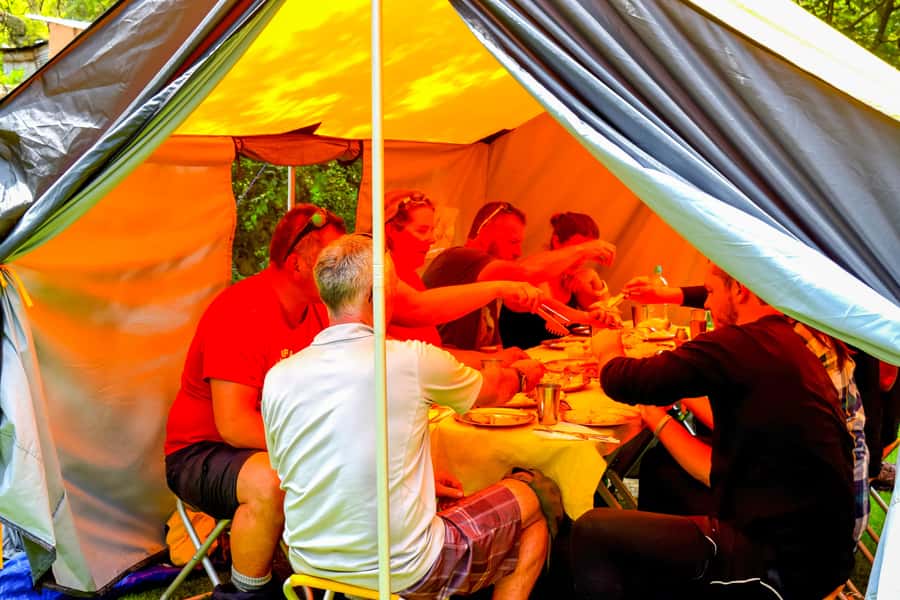
This is for you if you want a serious trek with real rewards and you don’t mind camping. It’s also a good match for people who like small groups: it’s a private group with a maximum of 10 people per group. If your group is 9 or more, there’s an assistant tour guide too, which helps with pacing and managing the slower walkers.
It’s also a good fit if you care about how Machu Picchu is explained. The guide-led tour is a big part of what you’ll remember.
Skip it if you have back problems, if altitude sickness is already a risk factor, or if you’re over 70 years. That’s not about being strict—it’s about safety and how your body may handle the highest points and daily hiking.
And bring a realistic attitude: this is not a stroll. Even though the support team helps with gear and food, the effort is still on you.
Should You Book This Cusco-to-Machu Picchu Trek?
I’d book this trek if you want the classic dream—Machu Picchu—earned the hard way, with Humantay Lake and cloud forest in between. I also like that the support system is built in: guide, cook, oxygen bottle, horses, and the tent setup mean you can focus on walking and acclimating instead of constant problem-solving.
Two practical checks before you hit book:
- Be honest about your altitude tolerance and fitness. Day 2 over the Salkantay Pass is the moment you feel in your lungs.
- Plan your add-ons. Huayna Picchu costs extra, and you might want trekking poles or a sleeping bag depending on what you already own.
If you’re ready for effort, this route delivers the kind of journey that turns Machu Picchu from a postcard into a place you understand.
FAQ
FAQ
What meals are included, and what’s not?
The trek includes 4 breakfasts, 4 lunches, 4 afternoon snacks, and 4 dinners. Breakfast on Day 1 is not included, and lunch and dinner on Day 5 are not included.
Is Huayna Picchu included?
No. Entrance to Huayna Picchu Mountain costs US$85 and is not included.
Do I need to carry all my gear?
No. Horses carry all equipment and 7 kg of your personal items. You’ll be given duffle bags during the pre-departure briefing.
Do I need to bring a sleeping bag?
A sleeping bag is not included, but you can hire one.
Is water included every day?
Water is included, but not during the first 4 hours of the trek on Day 1. You’ll need to bring your own during that time.
How big is the group?
This is a private group with a maximum of 10 people per group.
Who shouldn’t do this trek?
It’s not suitable for people with back problems, people with altitude sickness, or people over 70 years.
More Tour Reviews in Cusco
More Salkantay Departures
Machu Picchu, More Ways In
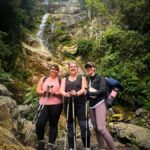
Recent write-ups from around Cusco, just off the trail
- Cuzco: Rainbow Mountain Excursion
★ 5.0 · 3 reviews - 1 day excursion to Qeswachaka bridge and the 4 lagoons
★ 3.6 · 3 reviews - Waqrapukara 1 day trekking + meals
★ 3.9 · 3 reviews - Valle Sur Cusco | half day
★ 4.3 · 3 reviews - Full-Day Condor Viewpoint & Inca Sites Tour
★ 5.0 · 3 reviews
Machu Picchu Tours & Tickets, compared.
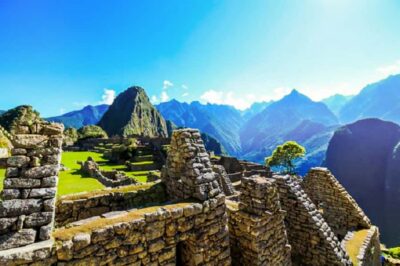 ★ 4.7From Cusco: Full-Day Group Tour of Machu PicchuFrom $3211,767 reviews
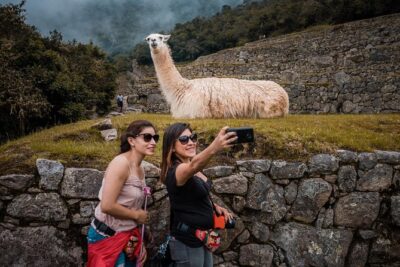 ★ 4.5Machu Picchu Day Trip from CuscoFrom $3361,644 reviews
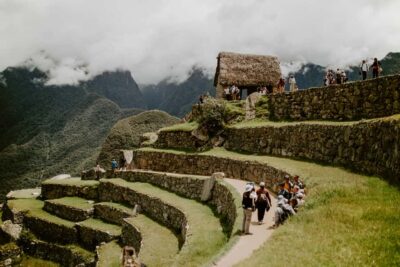 ★ 4.6Machu Picchu: Full-Day Tour from Cusco with Optional LunchFrom $283927 reviews
 ★ 4.84-Day Inca Trail to Machu Picchu with AccommodationFrom $470432 reviews
 ★ 4.6From Cusco: 2-Day Trip to the Sacred Valley and Machu PicchuFrom $370265 reviews
 ★ 4.9Machu Picchu 2-Day Inca Trail with Panoramic TrainFrom $582260 reviews
 ★ 4.2From Cusco: 2-Day Inca Trail to Machu PicchuFrom $290244 reviews
 ★ 4.9Machu Picchu: Inca Trail 2-Day Overnight Guided TourFrom $585203 reviews
Browse the lists this tour appears in