
REVIEW · MACHU PICCHU TOURS & TICKETS
Salkantay Trek: 5 Days to Machu Picchu
Machu Picchu, without the Inca-crowd crush. This 5-day Salkantay route is built for big mountain scenery with fewer people on the trail, starting from Cusco and ending with a guided walkthrough of Machu Picchu. I especially love the small-group setup (max 12) and how the company leans on real support: bilingual guides (like Carlos and Nico in recent guides’ reviews) plus cooks who turn dinner into a highlight.
That said, the challenge is real. The first two days involve high altitude and tough climbs/descents, and you should expect things like cold early mornings and possible mosquito time once you hit the greener, jungle stretch (one reviewer flagged mosquitoes on day 3). If your knees or breathing are sensitive, plan for a slower pace and use the trek’s horse support option if needed.
In This Review
- Key highlights worth knowing
- Why Salkantay Feels Different From the Inca Trail
- Cusco Morning Logistics: 4:30 Am Pickup and a Private Bus Start
- Day 1: Humantay Lake via Mollepata and Soraypampa
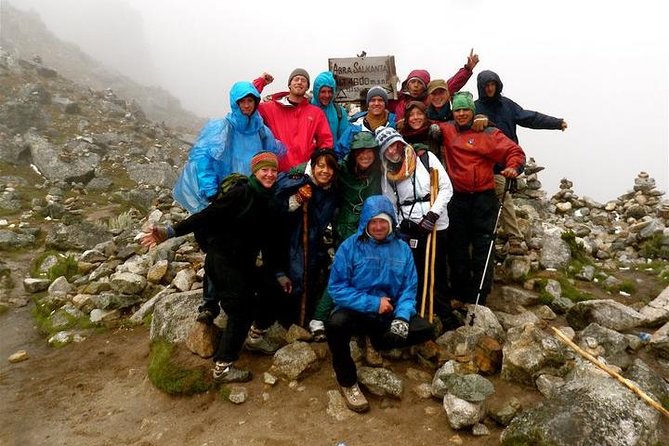
- Day 2: Abra Salkantay (About 4,650m) and the Big Terrain Shift
- Day 3 Jungle Switch: Santa Teresa, Plants, and Optional Cocalmayo Hot Springs
- Day 4: Hydroelectric, Aguas Calientes, and Dinner Planning for Machu Picchu
- Day 5: Guided Machu Picchu Citadel Tour, Then Train Back to Cusco
- Price ($909) and Value: What You’re Really Paying For
- What the Included Camping Setup Feels Like in Real Life
- Who This Trek Suits Best (and Who Should Rethink It)
- Should You Book This Salkantay Trek to Machu Picchu?
- FAQ
- What time is the pickup in Cusco?
- How many travelers are in a group?
- Are meals included during the trek?
- Is there a guided tour at Machu Picchu?
- Is Huayna Picchu included?
- What’s the minimum age for this trek?
Key highlights worth knowing
- Cusco pickup at 4:30 am, with a private early bus to the trail head
- Abra Salkantay pass near 4,650m with snow-clad mountain views
- Camp comfort included: double tents, inflatable mattress, and sleeping bag rated to -5°C
- Day 3 flexibility: optional thermal baths at Cocalmayo (entrance ticket not included)
- Smart pacing help: a dedicated emergency horse can be ridden if someone feels ill or falls behind
- Machu Picchu guided citadel tour plus train back to Ollantaytambo and transfer to Cusco
Other ways up to Machu Picchu, reviewed
- From Cusco: Full-Day Group Tour of Machu Picchu★ 4.7 · 1,767 reviews
- Machu Picchu Day Trip from Cusco★ 4.5 · 1,644 reviews
- Machu Picchu: Full-Day Tour from Cusco with Optional Lunch★ 4.6 · 927 reviews
- Cusco: 4-Day Inca Trail to Machu Picchu with Accommodation★ 4.8 · 432 reviews
Why Salkantay Feels Different From the Inca Trail
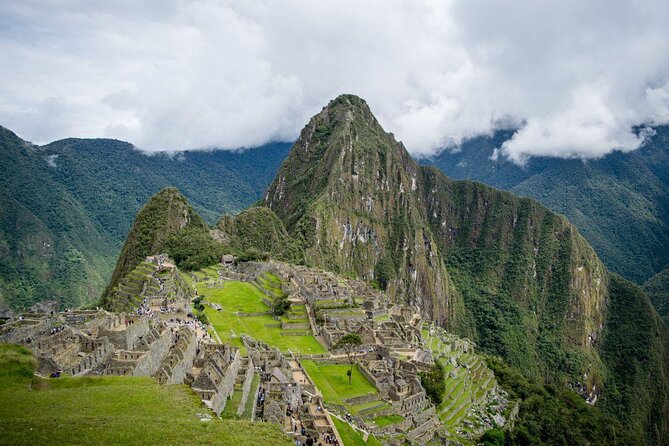
If you’re looking for a Machu Picchu trek but want a less-crowded vibe, Salkantay is a strong alternative. You still get the payoff—big Inca destination energy at the end—but the route takes you through dramatic altitude zones and then into warmer, greener environments.
What makes this experience appealing for most people is the mix of “wow” scenery and practical structure. You’re not just walking and hoping things work out; you’re moving each day with transfers, scheduled meals, and camp logistics handled for you.
Just know the flip side: this trek is not a casual stroll. Even with horses carrying gear, your personal effort still matters, especially on the toughest altitude day.
Cusco Morning Logistics: 4:30 Am Pickup and a Private Bus Start
Your day starts before sunrise. Pickup is offered from your Cusco hotel, and the official start time is 4:30 am. The plan is to use a bus for an early push out of town, then reach the trail head area for the trek’s first walk.
This early schedule matters because Salkantay is all about timing. Starting early helps with cooler temperatures and clearer conditions before the day warms up. It also sets you up for a first full day that’s long enough to matter—but not so long that you’re completely fried before acclimating.
You’ll also get a pre-trek briefing the day before, with the guide visiting your hotel. That’s not a small detail. On multi-day mountain treks, clear instructions the day before reduce stress on day one.
Day 1: Humantay Lake via Mollepata and Soraypampa
Day 1 is a classic “ease in, then climb” setup. The route goes by bus through towns like Izcuchaca and Limatambo, arriving around Mollepata (about 2,900m) where you’ll have your first breakfast.
Here’s a useful moment: you can leave about 5 kilos of personal belongings with the muleteers. The trek later includes horse support for carrying food, camping, and cooking equipment, and the package also describes a 7 kg carry allowance for each passenger. Translation: you hike lighter than you would on your own.
From Challacancha (around 3,380m) you start walking for roughly 3 hours, aiming at Soraypampa (around 3,900m). Expect the day to feel like altitude + effort, then reward.
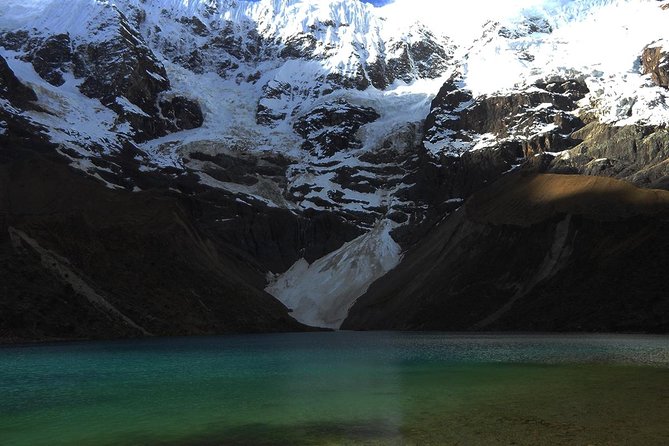
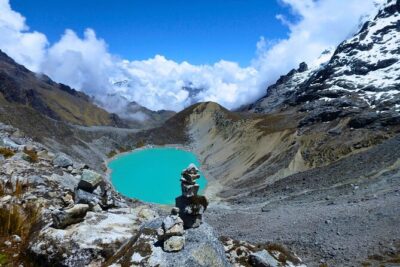
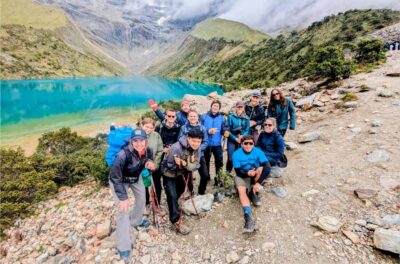
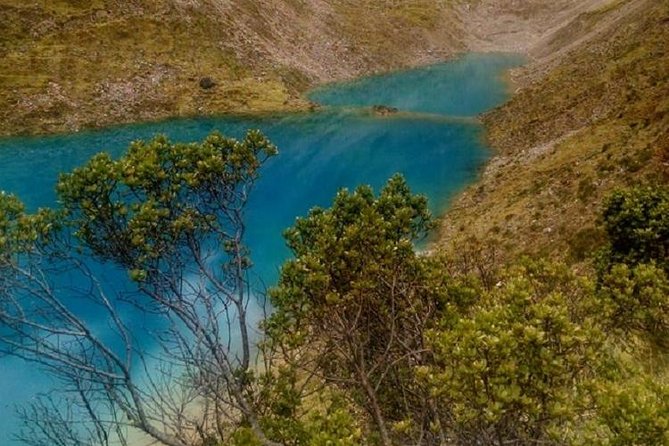
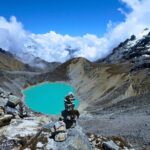
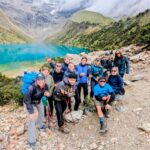
You’ll stop for lunch at Soraypampa (around 1:30 pm) and then visit Humantay Lagoon. For many people, this is the moment the trek turns from “I’m doing it” into “I can’t believe this view.” After that, you return to camp to rest—an important rhythm on a 5-day itinerary.
Possible downside to plan for: day 1 is not short. Even though it’s not the highest pass day, you’re still building fatigue in thin air.
Day 2: Abra Salkantay (About 4,650m) and the Big Terrain Shift
Day 2 is the signature test day. You begin early—breakfast around 5:00 am—then trek from Soraypampa toward the high point at Abra Salkantay (around 4,650m). The hike to the pass is described as about 3 hours.
This is where the mountains look especially imposing. The route passes viewpoints tied to snow peaks and named high areas along the Salkantay system, including areas referenced in the itinerary such as Humantay, Tucarhuay, and Pumasillo. Even if you’re not the type to study every peak, you’ll feel the altitude the moment you start climbing higher.
After the pass, you descend toward Huayracmachay (around 3,800m) where you have lunch. From there, the walking continues for about 3 hours down toward Chaullay (around 2,900m), where the campsite is.
What I like about this day’s design is the “terrain change” you can actually notice. The itinerary calls it out: after the high pass, the whole environment starts to shift. That’s often what makes Salkantay memorable—today you’re in high-alpine mode, and by tomorrow the vibe moves toward warmth.
Watch-outs: if you have altitude sensitivity, this is the day to go slow. If you’re unsure, ask your guide about pacing options during the briefing. The tour description also warns that altitude sickness can happen, and you should bring necessary medicine and consult your doctor beforehand.
Other Salkantay routes to compare
Day 3 Jungle Switch: Santa Teresa, Plants, and Optional Cocalmayo Hot Springs
Day 3 is where the trek stops feeling like a single-track mountain grind and starts feeling like a transition into a different Peru. Breakfast is at 6:00 am, and the day includes about 5.5 hours of walking through what’s described as a jungle zone with coffee plantations and plant life.
Along the way, you’ll pass orchids, bromeliads, and other plants discussed as used in natural medicine. Even if you don’t track every species name, this part of the trek is valuable because it breaks the monotony. You’re changing altitude zones and learning how ecosystems change with elevation.
At Playa Sahuayaco, you have lunch, then board included transport to the campsite in Santa Teresa. That transport segment matters because it lets you arrive without turning day 3 into an all-out endurance day.
When you reach Santa Teresa, the tour gives you a choice: you can visit thermal baths at Cocalmayo. The entrance ticket is not included, but the option is there. If you want a simple reward after tough hiking, a soak is a practical way to recover while you still have energy.
One more real-world note: one reviewer criticized the experience partly due to mosquitoes showing up around day 3 in the greener section. You can’t control nature, but you can prepare (repellent, long layers if you’re sensitive, and quick checks of where you’re sleeping).
Day 4: Hydroelectric, Aguas Calientes, and Dinner Planning for Machu Picchu
Day 4 is a “get to town without losing the day” kind of day. You wake up early in a tropical zone, eat breakfast, then continue toward Hydroelectric. You’ll have lunch at a restaurant in Hydroelectric and then walk through the tropical zone toward Aguas Calientes.
By the time you settle into your hostel in Aguas Calientes, the trek phase is mostly over. The schedule still keeps you moving, but you’re now on the home stretch where rest matters.
At 6:30 pm, you have dinner with the guide and prepare the plan for the last day. That’s a smart touch because Machu Picchu morning is not the place to figure out logistics. You’ll want a clear game plan for timing, meeting points, and how the guided citadel portion works.
Why this matters: Aguas Calientes is where your body goes from “trek mode” to “heritage site mode.” You’ll likely sleep better if you know what comes next.
Day 5: Guided Machu Picchu Citadel Tour, Then Train Back to Cusco
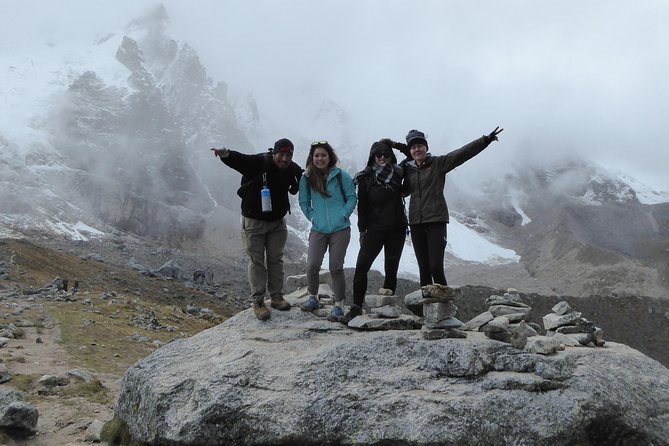
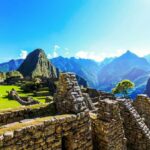
Your final morning starts very early to visit Machu Picchu. You’ll get a guided tour of the citadel, including temples, terraces, palaces, and platforms. After the guided part, you have time to take photos and explore on your own.
This mix is ideal for most people. The guide gives context so you’re not just looking at stones, while your free time lets you slow down where your interests are strongest—views, stairs, doorways, and the general layout.
After the visit, you descend back to Aguas Calientes. Then you take the train back to Ollantaytambo, and a representative meets you for the transfer to Cusco. The transfer includes getting you back to your Cusco hotel.
One practical extra: Huayna Picchu is not included. If you want that steeper add-on viewpoint, you’ll need to pay an additional fee (listed as about $25) and plan around the ticket timing.
Price ($909) and Value: What You’re Really Paying For
At $909, you’re paying for a full package: guide, cooking crew, camping gear, horses for carrying much of the group load, daily water, transfers, and the Machu Picchu train and transport legs.
The value is strongest if you compare what’s included to what you’d have to arrange yourself:
- Campsites and equipment for multiple nights (including inflatable mattress and sleeping bag rated up to -5°C)
- Meals: 4 breakfasts, 4 lunches, 4 dinners, plus afternoon hot beverages
- Horses and emergency support for carrying gear and offering help if someone slows down or feels ill
- Transport support: early Cusco bus to the trail head, included transfers during the trek, and train + bus back on the last day
- A bilingual professional guide and a professional cook
Also, the company notes vegetarian meals at no extra cost if you advise in advance. That’s a real value point on trek food, where many plans struggle with options.
Where you should watch your budget: Huayna Picchu, the shuttle between Machu Picchu and Aguas Calientes if you decide you need it (listed as $12 one way, $24 round trip), thermal baths entrance, travel insurance, tips, and anything not named in the package.
What the Included Camping Setup Feels Like in Real Life
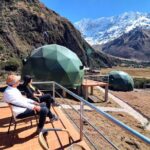
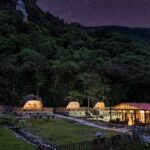
Comfort on a trek is mostly about sleep. This package includes personal double tents designed for better comfort and storage, plus an inflatable mattress (Term-a-Rest style) and a sleeping bag rated for temperatures down to -5°C. You also get a blanket and pillow.
That’s a big deal because cold nights and poor sleep can turn normal hiking soreness into misery. If you’re the type who wants to wake up functional again, these inclusions help a lot.
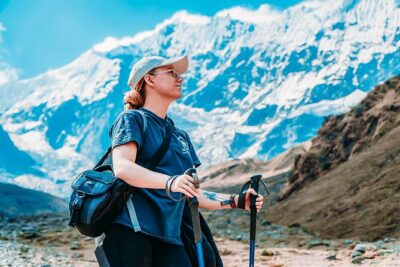
You’ll also get a pair of hiking poles included, which can reduce knee strain—especially useful on the steep parts. One reviewer even flagged that their knees didn’t love the steep descents, and their guide worked to modify the route and arrange horse support when needed.
Who This Trek Suits Best (and Who Should Rethink It)
This trek is for you if:
- You want a Machu Picchu ending but prefer a route that feels less crowded than the Inca Trail
- You can handle altitude and long hiking days, especially day 2
- You like guided structure, and you appreciate good food during multi-day travel
- You’re okay with an early schedule (4:30 am pickup is part of the deal)
It may be a poor fit if:
- You’re very new to hiking and don’t have time to build fitness first
- You get altitude sick easily and aren’t prepared to manage it with your doctor’s advice and your own pacing
- You’re expecting a gentle, leisurely walk—this trek has real climbs and descents
Group size is capped at 12 travelers, so you’ll get a small-group feel without the chaos of huge tours.
Should You Book This Salkantay Trek to Machu Picchu?
Book it if you want a powerful mix: high-altitude pass drama, jungle transition day, and a guided Machu Picchu morning—wrapped in a package that handles camps, food, and most logistics. If your main goal is to reach Machu Picchu while avoiding the most crowded trail experience, this is one of the better ways to do it.
Hold off if you know you’re not comfortable with altitude or steep downhills, or if you’re very sensitive to insects in humid zones. In those cases, go prepared and talk to the provider about pacing and support options during the briefing.
FAQ
What time is the pickup in Cusco?
Pickup starts at 4:30 am from your Cusco hotel area, with an early transfer by private bus to the trail head.
How many travelers are in a group?
This trek has a maximum of 12 travelers.
Are meals included during the trek?
Yes. Meals included are 4 breakfasts, 4 lunches, 4 dinners, and afternoon hot beverages. The package notes that day 1 breakfast and last-day lunch are not included.
Is there a guided tour at Machu Picchu?
Yes. On day 5 you get a guided tour of the Machu Picchu citadel, plus time to take photos and explore on your own.
Is Huayna Picchu included?
No. Huayna Picchu entrance is not included and is listed as about $25.
What’s the minimum age for this trek?
The minimum age is 4 years.
More Tour Reviews in Cusco
More Salkantay Departures
Machu Picchu, More Ways In
Recent write-ups from around Cusco, just off the trail
- Cuzco: Rainbow Mountain Excursion
★ 5.0 · 3 reviews - 1 day excursion to Qeswachaka bridge and the 4 lagoons
★ 3.6 · 3 reviews - Waqrapukara 1 day trekking + meals
★ 3.9 · 3 reviews - Valle Sur Cusco | half day
★ 4.3 · 3 reviews - Full-Day Condor Viewpoint & Inca Sites Tour
★ 5.0 · 3 reviews
Machu Picchu Tours & Tickets, compared.
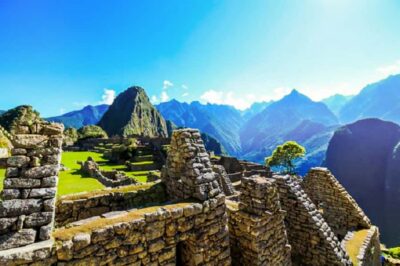 ★ 4.7From Cusco: Full-Day Group Tour of Machu PicchuFrom $3211,767 reviews
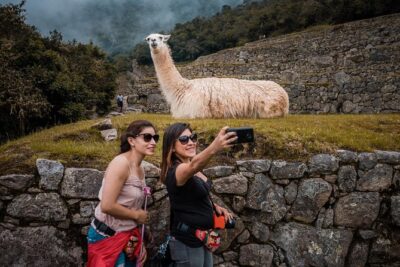 ★ 4.5Machu Picchu Day Trip from CuscoFrom $3361,644 reviews
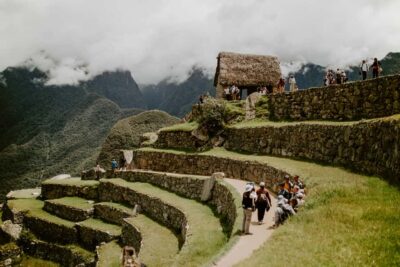 ★ 4.6Machu Picchu: Full-Day Tour from Cusco with Optional LunchFrom $283927 reviews
 ★ 4.84-Day Inca Trail to Machu Picchu with AccommodationFrom $470432 reviews
 ★ 4.6From Cusco: 2-Day Trip to the Sacred Valley and Machu PicchuFrom $370265 reviews
 ★ 4.9Machu Picchu 2-Day Inca Trail with Panoramic TrainFrom $582260 reviews
 ★ 4.2From Cusco: 2-Day Inca Trail to Machu PicchuFrom $290244 reviews
 ★ 4.9Machu Picchu: Inca Trail 2-Day Overnight Guided TourFrom $585203 reviews
Browse the lists this tour appears in