
REVIEW · MACHU PICCHU TOURS & TICKETS
Salkantay Trek to Machu Picchu 5D/4N or 4D/3N by glamping
4 a.m. starts and Machu Picchu ends it. This trek is a smart alternative to the Inca Trail, with Humantay Lake and the Salkantay Pass delivering big-time high mountain views. I also love how the trip leans into comfort for a remote route, with fresh meals cooked by mountain chefs that make the long days feel doable. One thing to plan for: it’s rugged and high-altitude, and costs can jump once you factor in Machu Picchu entry, hot springs, and optional extras.
What you’re really buying is a balance: real trekking plus glamping-style sleep (glass-roof cabin, sky huts, and jungle domes) and a guide-led route that avoids the worst of the crowds. In recent departures, guides like Ruben, Roger, and Reynaldo have been credited, so you’re not just dropped on a trail and told good luck.
In This Review
- Key things that make this trek special
- Salkantay Trek vs. Inca Trail: the crowd trade you’ll actually feel
- Glamping along the trail: glass roofs, sky huts, and dome life
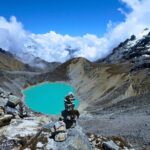
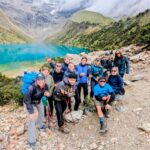
- Day 1: Cusco to Soraypampa, Humantay Lake at 4,200 m, then sunset dinner
- Day 2: The Trail of the 7 Snakes to Salkantay Pass (4,630 m)
- Day 3: Santa Teresa Valley, Cocalmayo hot springs, coffee tour, and an optional zipline
- Day 4: Llactapata ruins via an Inca Trail section, Hidroeléctrica lunch, and Aguas Calientes
- Day 5: Machu Picchu guide first, then your mountain hike choices
- Food that keeps the trek honest: chef cooking + daily tea breaks
- Guides, group size, and the names you might meet
- Price and logistics: what the $35 figure doesn’t cover
- How hard is it, really? Altitude + daily steps
- What to pack so you’re not miserable at altitude
- Should you book this Salkantay trek with glamping?
- FAQ
- Is Machu Picchu entrance included?
- What kind of Machu Picchu tour do you get?
- How many days is the trek?
- What do you sleep in during the trek?
- Are meals included?
- Do they offer vegetarian or vegan options?
- How much can I pack if horses carry my luggage?
- Is Humantay Lake entrance included?
- Are walking sticks and sleeping bags included?
- Can I do the hot springs and the coffee tour?
- What’s the group size and language?
Key things that make this trek special
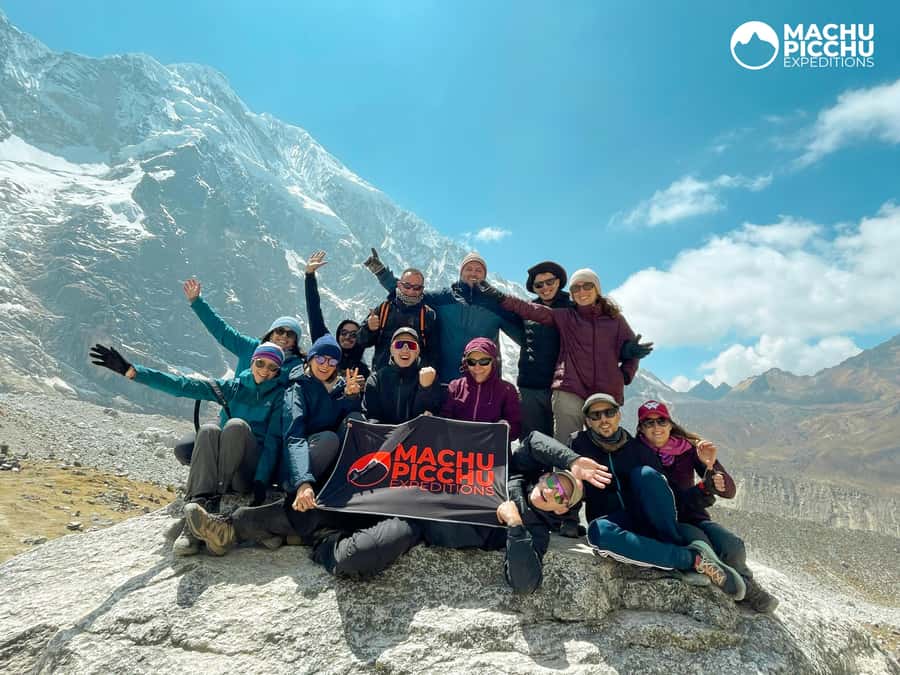
- Humantay Lake + Salkantay Pass: the high point is steep, cold, and unforgettable (4,200 m to 4,630 m).
- Trail of the 7 Snakes: a famous slog uphill that most people remember more than they expect.
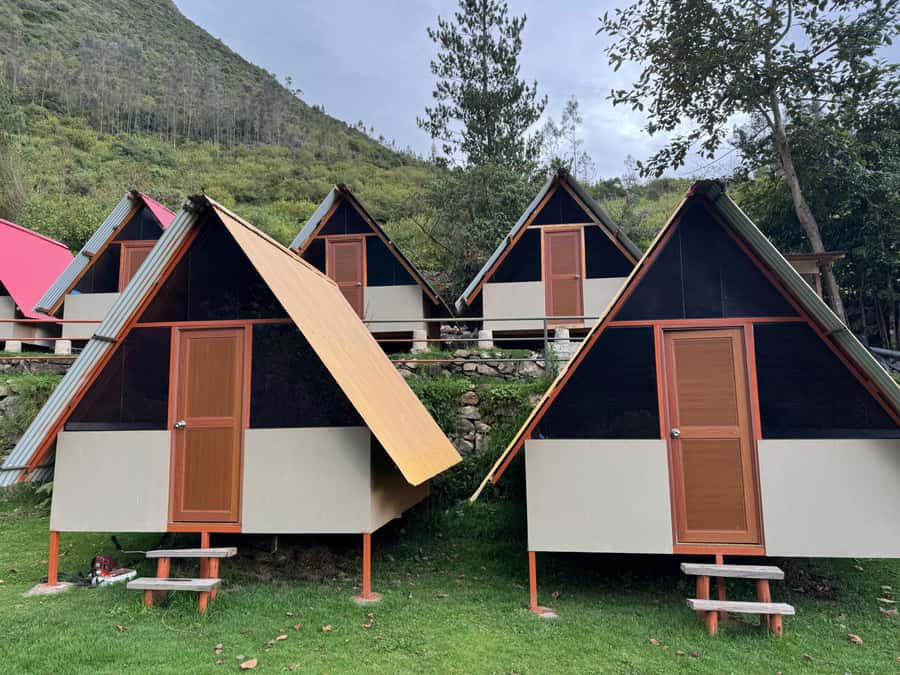
- Glamping beds along the route: glass-roof cabin, sky huts, and jungle domes with a pillow and pad.
- Cocalmayo hot springs + coffee tour: you trade altitude grind for a warm soak and local flavors in the Santa Teresa Valley.
- Llactapata ruins via an Inca Trail section: you get a taste of Inca engineering before finishing at Machu Picchu.
- Early guided Machu Picchu slot (Circuit-based entry): you get a structured first look, then time to explore with options.
Other ways up to Machu Picchu, reviewed
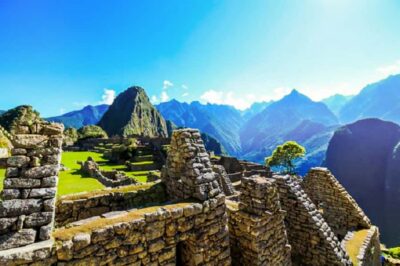
- From Cusco: Full-Day Group Tour of Machu Picchu★ 4.7 · 1,767 reviews
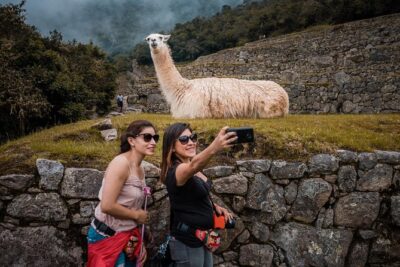
- Machu Picchu Day Trip from Cusco★ 4.5 · 1,644 reviews
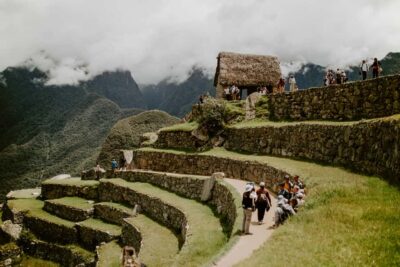
- Machu Picchu: Full-Day Tour from Cusco with Optional Lunch★ 4.6 · 927 reviews
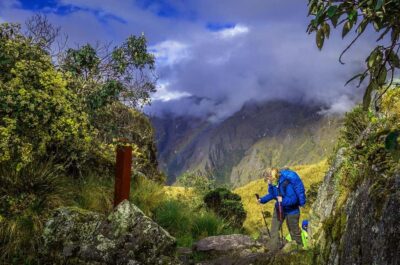
- Cusco: 4-Day Inca Trail to Machu Picchu with Accommodation★ 4.8 · 432 reviews
Salkantay Trek vs. Inca Trail: the crowd trade you’ll actually feel
The Salkantay Trek to Machu Picchu is popular for one main reason: it’s remote enough that the trail doesn’t feel like a theme park. You still climb hard and sit in thin air, but the vibe is more personal. If you’ve ever been frustrated by busier routes where you’re stuck following a long line, this route is a refreshing change.
You also get a mix of environments that makes the trek feel like more than a walk to a destination. You’ll go from Cusco region high-country to dramatic passes and then down into a warmer, greener zone near the jungle. That change isn’t just scenery—it affects how your body feels day to day, what you’ll want to wear, and whether you’ll be craving a hot soak versus a cool breeze.
The catch: because this is a more rugged route, the day-to-day logistics require more flexibility. You’ll have schedules, guides, and planned stops, but the experience assumes you can handle stairs, uphill grades, and some uneven terrain without complaining every five minutes.
Glamping along the trail: glass roofs, sky huts, and dome life
Here’s where this trek earns its value beyond the postcard route. Instead of rough camping where you spend your energy staying alive (and cold), the accommodation is built around comfort.
You can expect:
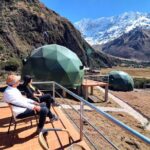
- Day 1: a cabin with a glass roof after reaching Humantay Lake.
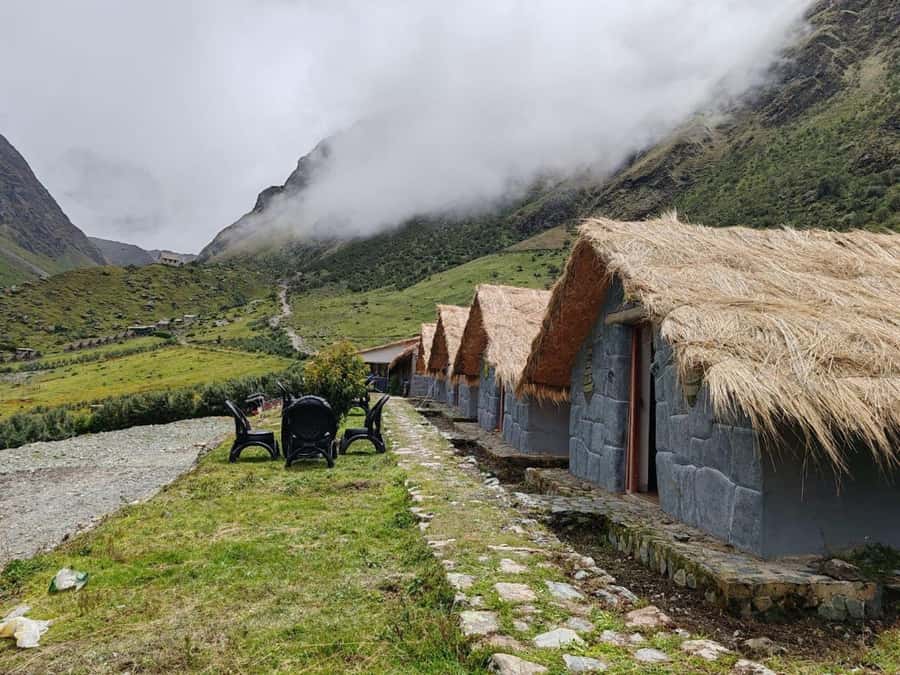
- Day 2: Sky Huts Camp at Collpapampa.
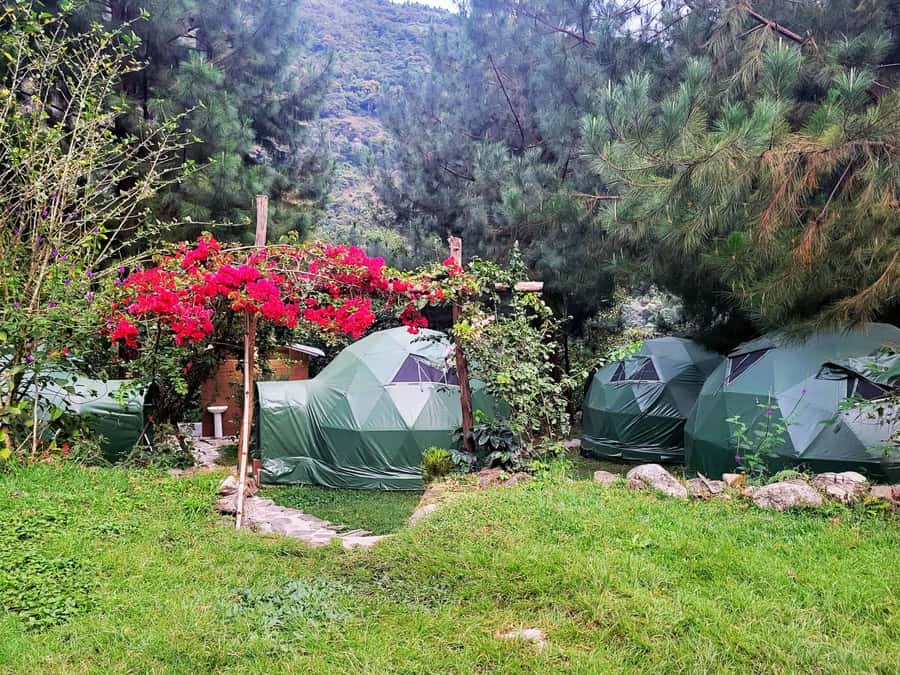
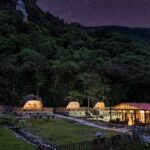
- Day 3: Jungle Domes Camp after Cocalmayo and the Santa Teresa Valley.
These aren’t luxury hotel rooms, but they’re not miserable either. You get a personal pad and pillow, which sounds minor until you’re sleeping at altitude and waking up stiff. Camps also offer free electricity to charge devices, which is a big deal on multi-day treks where your phone battery becomes your lifeline for photos, maps, and communication.
Practical note: bring a light layer you can sleep in. Even with comfort, mountain nights can be cold.
Day 1: Cusco to Soraypampa, Humantay Lake at 4,200 m, then sunset dinner
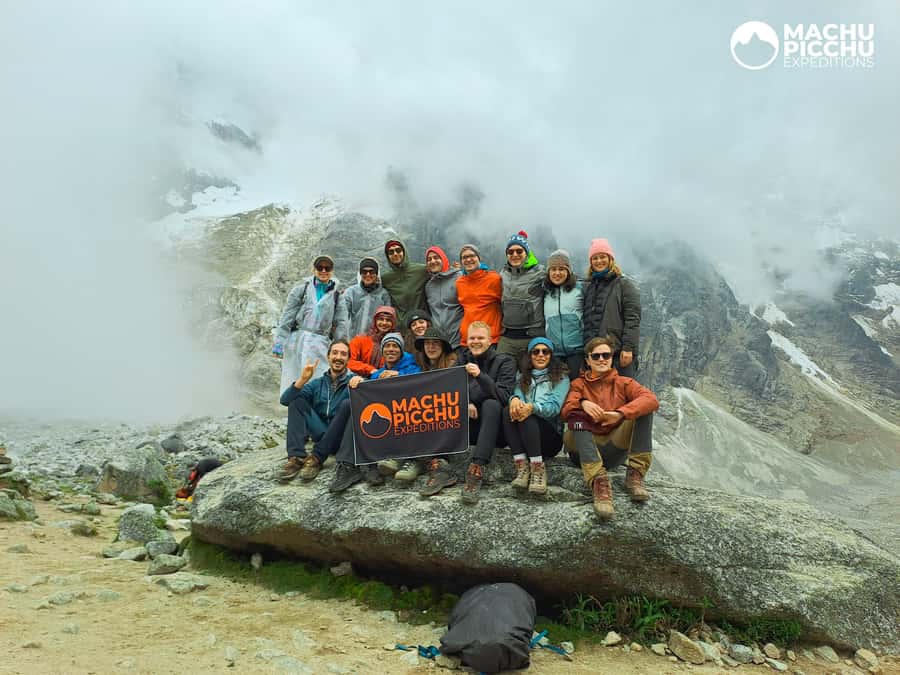
Your day starts early—pickup in Cusco historic center around 4 a.m. After transport and a break to settle in, you stop in Mollepata for breakfast. Then the hike begins from Challacancha toward Soraypampa, where you set up camp for the first night.
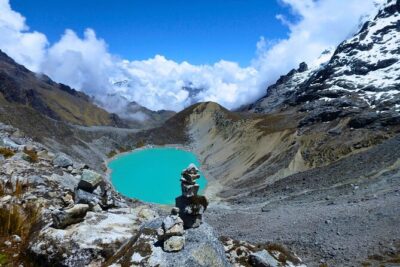
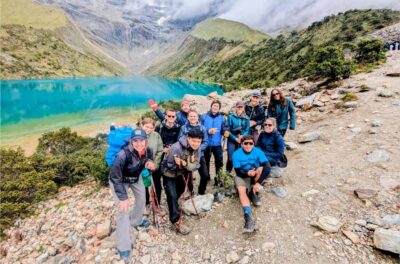
The highlight of Day 1 is Humantay Lake at about 4,200 m. It’s a steep climb that rewards you quickly. Even if you’ve trained, the altitude can still slow your breathing. The good news is Day 1 is a strong “learn the rhythm” day: you’ll hike, rest, eat well, then climb again for the lake without it being a total punishment.
Once you return to camp, dinner comes after that classic mountain moment: a sunset view where you can finally stop thinking about your legs and start enjoying the fact you’re in Peru doing this.
What to watch:
- The elevation jump can make you feel winded. Pace yourself and sip coca tea when they offer it—small comforts matter.
- Pack layers. You’re moving between sunny hiking and cooler camp air.
Day 2: The Trail of the 7 Snakes to Salkantay Pass (4,630 m)
Day 2 is the day most people come for. You wake up at dawn with coca tea, then start trekking toward Salkantay Pass at 4,630 m.
The route includes the challenging section called the Trail of the 7 Snakes. Expect a sustained uphill effort, and expect your breathing to be your biggest task. At the pass, you’ll get views of Salkantay (about 6,271 m). That view is the payoff: harsh, vast, and a little humbling.
After the long day, you continue to Collpapampa (around 2,950 m) for dinner and sleep in a cozy Sky Hut setting.
Two tips that make this day better:
- Keep your expectations simple: you’re not racing. You’re arriving.
- Bring sunscreen and use it early. High elevation plus bright light can surprise you even when you feel “cool enough.”
If you want the trek to feel manageable, this is where your pace decisions matter most. Go steady on the climb so the descent doesn’t feel like punishment.
Other Salkantay routes to compare
Day 3: Santa Teresa Valley, Cocalmayo hot springs, coffee tour, and an optional zipline
On Day 3 you start by leaving camp with tea and breakfast (wake-up around 6 a.m.). Then you head toward La Playa, trekking through the Santa Teresa Valley. The altitude starts to ease, and your body often feels happier with the lower, warmer air.
After lunch at camp, you have one of the best “reset” options on the whole trip: Cocalmayo hot springs. A soak here is the difference between feeling sore for a day and feeling wrecked for two. Hot springs are not just relaxation—they’re recovery.
Then there’s the local culture add-on: a coffee tour experience. This is a nice break from “look at rocks, walk forward.” You’ll learn about coffee in the region and get a chance to slow down before the next leg.
Activity choice matters here:
- Optional zipline is available on Day 3 (extra cost).
- If you’d rather conserve energy, you can skip it and enjoy camp time.
That evening you sleep in a Jungle Dome. The sound of nature at night is part of the charm. It can also be part of why you don’t always sleep as deeply—worth it, though.
Day 4: Llactapata ruins via an Inca Trail section, Hidroeléctrica lunch, and Aguas Calientes
Day 4 shifts from “trekking day” to “Inca day.” After breakfast, you tackle your final big trekking push, including a section of the original Inca Trail.
About two hours of uphill brings you to Llactapata (around 2,700 m), an archaeological site with views toward Machu Picchu. This is one of those moments where the route makes sense: you’re not only walking to Machu Picchu—you’re getting a preview of what made the Inca choose these locations.
Then you descend for about two hours, and you’ll catch glimpses of the citadel along the way. You stop for lunch in Hidroelectrica, then continue to Aguas Calientes.
Here’s a key practical point: Aguas Calientes is your base for Machu Picchu. You check in to a 3-star hotel, and dinner is listed for 7:00 p.m. You’ll need that meal to stay steady for the next morning’s guided entry.
Day 5: Machu Picchu guide first, then your mountain hike choices
On Day 5 you finally do Machu Picchu. You’ll have a guided visit for your scheduled circuit (listed as Circuit 2B/6, 7 with an 8:00 a.m. guided visit slot).
After the guide, you get free time to explore your way:
- You can hike Huayna Picchu (about 2,720 m)
- Or hike Machu Picchu Mountain (about 3,000 m)
- Or visit the Sun Gate (about 2,729 m)
- Or visit Inca Bridge
My advice: pick one big hike and accept that the rest will wait. Trying to do everything can turn your “dream morning” into a race for your legs.
Also remember: Machu Picchu entrance is not included, so plan and budget for the ticket. The ticket entry is listed as Circuit 2B/7 at 7:00 a.m. on the government ticket sales site. That detail matters when you’re trying to match your schedule to your travel timeline.
Food that keeps the trek honest: chef cooking + daily tea breaks
This is one of the most highly praised parts of the experience, and it’s not just about good taste. Good meals do real work on a multi-day trek: they help you recover, reduce crankiness, and keep your energy stable.
You’ll get:
- 5 breakfasts, 4 lunches, 4 dinners
- 3 snacks
- Tea time every afternoon, with items like popcorn, cookies, chocolate, and coffee
The chef element matters, too. Meals are described as freshly cooked and mountain-ready. That kind of meal planning is especially important because you’re alternating between altitude and steep descents. You need food that doesn’t feel like a sad backpack sandwich.
Vegetarian and vegan options are available on request with no additional charge. If you have dietary needs, flag them early so the kitchen can plan.
Guides, group size, and the names you might meet
This is run as a small group—limited to 15 participants—with an English/Spanish professional tour guide.
The human factor is huge on treks. You want someone who can:
- pace the group realistically,
- explain what you’re seeing (not just point and walk),
- handle small problems quickly.
In recent reviews, guides named Ruben, Roger, and Reynaldo have been specifically praised. Other credited guides include Tupac and Nidia, known for being attentive and sharing local knowledge.
One more thing: mix of ages can change the rhythm. If your group has both younger hikers and older hikers, you may get more waiting than you’d like. That’s not a deal-breaker, but it’s good to know so you don’t expect a perfectly smooth conga line of people matching your pace.
Price and logistics: what the $35 figure doesn’t cover
The headline price shown is $35 per person, but for a trek to Machu Picchu, you should think in terms of included vs. add-on costs.
What’s included:
- Pre-trek briefing the day before departure at 6 p.m.
- A duffle bag up to 6 kilos carried by horses
- Private transportation to the head of the Salkantay trail
- Meals (5 breakfasts, 4 lunches, 4 dinners) plus tea times and snacks
- Accommodation (3 nights glamping/sky huts/domes) and 1 night in a 3-star hotel in Machu Picchu town
- Guided Machu Picchu visit for your scheduled circuit
- First-aid gear, walkie-talkies, and an oxygen bottle
- Electricity in all camps for charging
What costs extra:
- Machu Picchu entrance ticket (Circuit 2B/7 listed at $45, subject to availability)
- Humantay Lake entrance (PEN 20.00)
- Walking sticks rental (US$10 for the whole trek)
- Sleeping bag rental (US$10 for the whole trek)
- Hot springs entrance (PEN 10.00) and transportation to hot springs (PEN 40.00)
- Hot shower fees (PEN 10.00 from 2nd and 3rd camp)
- Wi-Fi fees (listed as S/. 5 first camp; S/. 10 second and third)
- Optional zipline (US$28 USD)
- Return from Hidroelectrica to Cusco by bus ($12 USD), plus the fact that you first walk about 2 hours from Machu Picchu town to Hidroelectrica
- Optional train route back (+USD 90), including train from Machu Picchu town to Ollantaytambo and bus back to Cusco
My value take: you’re paying for route planning, guiding, camping comfort, and real meals. If you budget the extra tickets and a couple of optional splurges, the overall experience is strong for the effort level.
How hard is it, really? Altitude + daily steps
This trek is aimed at people with enough fitness to handle steep days and altitude. The itinerary includes high points up to 4,630 m, plus long uphill effort and multiple days with meaningful walking.
The operator lists it as not suitable for:
- pregnant women
- people with back problems
- mobility impairments
- heart problems
- wheelchair users
- children under 18
- people with respiratory issues
- people with epilepsy
- people over 70
If you’re on the edge fitness-wise, I’d rather you over-prepare than under-prepare. Bring appropriate trekking gear and pace yourself. Also take the oxygen and first-aid seriousness seriously—it’s listed for emergencies, which tells you this is not a casual hike.
What to pack so you’re not miserable at altitude
Use the provided list and add one rule: pack for changing temperatures. Even in daytime sun, mornings and nights can feel sharp.
Bring:
- Passport or ID
- Warm clothing, long-sleeved shirt, gloves
- Sunglasses, hat
- Swimwear and towel (for hot springs)
- Hiking shoes plus trekking gear
- Sunscreen and biodegradable sunscreen
- Reusable water bottle
- Biodegradable insect repellent
- Daypack, flashlight
- Charged smartphone and power bank
- Cash
Two small but helpful choices:
- If you can, rent or bring trekking poles. They reduce strain on downhill days.
- Have a plan for drinking water since bottled water isn’t listed as included.
Should you book this Salkantay trek with glamping?
I think this is a great booking if you want:
- a less crowded route than the Inca Trail,
- high mountain highlights like Humantay Lake and Salkantay Pass,
- and a trek that treats your sleep and meals seriously, not as an afterthought.
Skip or rethink it if:
- altitude is a medical concern for you,
- you need a very low-effort itinerary,
- or you’d rather avoid any extra costs around Machu Picchu tickets and hot spring add-ons.
If you can handle the physical demands and you like the idea of a guided, structured trek with comfort upgrades, this is a strong value way to reach Machu Picchu without feeling like you’re stuck in a crowd.
FAQ
Is Machu Picchu entrance included?
No. Machu Picchu entrance is listed as not included, with a ticket for Circuit 2B/7 at 7:00 a.m. that you buy through the official Peruvian government ticket sales site.
What kind of Machu Picchu tour do you get?
You get a guided visit for the scheduled circuit. The included guide visit is listed for Circuit 2B/6, 7 with an 8:00 a.m. slot.
How many days is the trek?
It runs 5 days / 4 nights on the itinerary you provided.
What do you sleep in during the trek?
You sleep in glamping-style accommodations: a glass-roof cabin on Day 1, sky huts on Day 2, and jungle domes on Day 3. You also get one night in a 3-star hotel in Aguas Calientes.
Are meals included?
Yes. You get 5 breakfasts, 4 lunches, and 4 dinners, plus 3 snacks and tea time every afternoon.
Do they offer vegetarian or vegan options?
Yes. Vegetarian and vegan options are available on request with no additional charges.
How much can I pack if horses carry my luggage?
You get a duffle bag for up to 6 kilos, carried by horses during the trek.
Is Humantay Lake entrance included?
No. Humantay Lake entrance is listed as not included (PEN 20.00).
Are walking sticks and sleeping bags included?
No. You can rent walking sticks for US$10 for the whole trek and rent a sleeping bag for US$10 for the whole trek.
Can I do the hot springs and the coffee tour?
Hot springs access is optional and costs extra for the entrance and transportation. A coffee tour experience is included, and you can also choose an optional zipline on Day 3.
What’s the group size and language?
It’s a small group limited to 15 participants, and the guide is listed as English/Spanish.
More Tour Reviews in Cusco
More Salkantay Departures
Machu Picchu, More Ways In
Recent write-ups from around Cusco, just off the trail
- Cuzco: Rainbow Mountain Excursion
★ 5.0 · 3 reviews - 1 day excursion to Qeswachaka bridge and the 4 lagoons
★ 3.6 · 3 reviews - Waqrapukara 1 day trekking + meals
★ 3.9 · 3 reviews - Valle Sur Cusco | half day
★ 4.3 · 3 reviews - Full-Day Condor Viewpoint & Inca Sites Tour
★ 5.0 · 3 reviews
Machu Picchu Tours & Tickets, compared.
 ★ 4.7From Cusco: Full-Day Group Tour of Machu PicchuFrom $3211,767 reviews
 ★ 4.5Machu Picchu Day Trip from CuscoFrom $3361,644 reviews
 ★ 4.6Machu Picchu: Full-Day Tour from Cusco with Optional LunchFrom $283927 reviews
 ★ 4.84-Day Inca Trail to Machu Picchu with AccommodationFrom $470432 reviews
 ★ 4.6From Cusco: 2-Day Trip to the Sacred Valley and Machu PicchuFrom $370265 reviews
 ★ 4.9Machu Picchu 2-Day Inca Trail with Panoramic TrainFrom $582260 reviews
 ★ 4.2From Cusco: 2-Day Inca Trail to Machu PicchuFrom $290244 reviews
 ★ 4.9Machu Picchu: Inca Trail 2-Day Overnight Guided TourFrom $585203 reviews
Browse the lists this tour appears in