
REVIEW · CUSCO CITY & SACSAYHUAMAN
Cusco: Pisac, Sacsayhuaman, Q’enqo, and Tambomachay Tour
Six hours, six big stops. I like how it pairs the Pisac market with real Inca sites, and I love the stop at Taray for terrace views. The trade-off is that main archaeological entrance fees cost extra and you’ll be walking on uneven ground.
This is a tight route with hotel pickup in Cusco (within the historic center), a private group, and an English-speaking guide who can explain what you’re looking at—from Inca life to the Spanish conquest. If you end up with a guide in the Juan Carlos or Jessica mold, you’re likely to get clear, structured answers and a smooth day even when the schedule runs brisk.
In This Review
- Key highlights
- Why this 6-hour Cusco route works (and how to get your money’s worth)
- Pisac market and streets: where the Sacred Valley starts
- The guided Písac archaeological park: seeing terraces as more than scenery
- Taray Viewpoint: the easiest way to understand Sacred Valley terraces
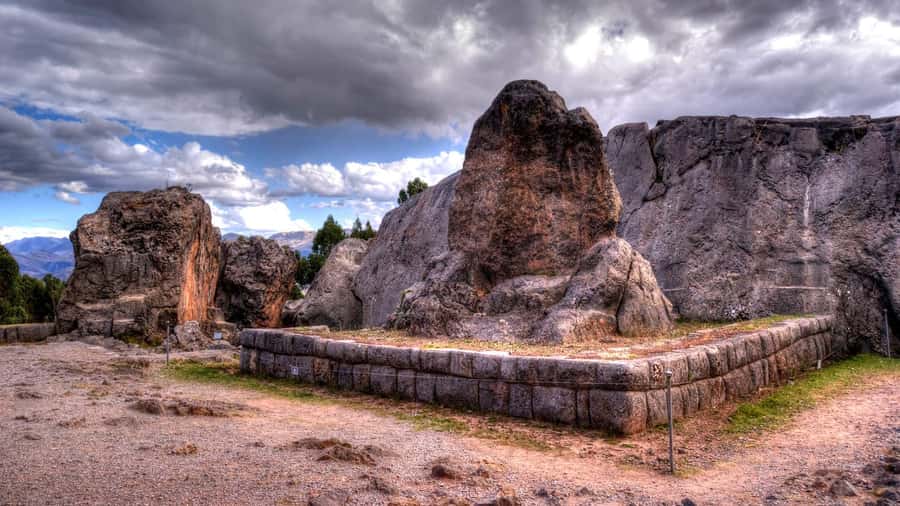
- Sacsayhuamán: ceremonial fort, big stone, clear explanations
- Q’enqo: ritual site where sacrifices took place
- Tambomachay: a temple dedicated to worshipping the God of Water
- Puka-Pukará panorama: an ancient tambo for your final views
- Guide quality: what to watch for when you want real explanations
- Price and tickets: the real budget math
- Timing, walking, and comfort tips that keep the day enjoyable
- Who this Cusco day tour suits best
- Should you book this Cusco: Pisac, Sacsayhuamán, Q’enqo, and Tambomachay tour?
- FAQ
- How long is the Cusco: Pisac, Sacsayhuaman, Q’enqo, and Tambomachay tour?
- Does the tour include hotel pickup and drop-off?
- Are admission tickets to the archaeological sites included in the price?
- What languages is the guide available in?
- What should I bring for this tour?
- Is the tour suitable for wheelchair users or people with back problems?
Key highlights
- Pisac’s market + artisan streets for a hands-on Sacred Valley feel before you hit the ruins
- Taray Viewpoint to take in the Sacred Valley terraces from above
- Sacsayhuamán, Q’enqo, and Tambomachay in one day, with guided context as you move between sites
- Panoramic Puka-Pukará for a slower, scenic wrap-up at an ancient tambo/guard post along Inca roads
- English-speaking guide who can connect the dots between what the stones mean and what happened next
More Pisac and Ollantaytambo ruins
- From Cusco: Moray, Maras Salt Mines & Chinchero Weavers Tour★ 4.8 · 1,925 reviews
- Cusco: Sacred Valley, Pisac, Ollantaytambo, Salt Mines Moray★ 4.6 · 1,058 reviews
- Cusco:Chinchero,Moray & Salt Mines drop-off in Ollantaytambo★ 4.8 · 793 reviews
- Sacred Valley: Chinchero, Moray, Ollantaytambo & Pisac+Lunch★ 4.8 · 501 reviews
Why this 6-hour Cusco route works (and how to get your money’s worth)
Cusco days can balloon fast. This one stays on a simple rhythm: pickup, Sacred Valley focus, then a second sweep around Cusco’s best-known ruins before returning to your hotel within about 6 hours.
For value, the big win is that you’re not paying only for transportation—you’re paying for interpretation. You’ll get a guide who talks about Inca history and the Spanish conquest while you’re physically at the places where those stories land. That matters because the sites can look similar at first glance (stone, terraces, walls), but the guide’s narration helps you notice the differences right away.
The other value piece is timing. Instead of spending half a day just getting from Cusco to one location, you cover Pisac, a viewpoint stop, and three major ruins around Cusco, plus Puka-Pukará at the end. It’s a lot, but it’s planned so the “aha” moments keep coming.
Pisac market and streets: where the Sacred Valley starts
You begin in Písac, and the first part is about people, not stones. You’ll walk through the town and get time around artisan stalls and the famous market. This is the part I like most on tours like this: you see how locals live and sell goods before you switch gears into archaeology.
The guided portion also helps you avoid the common mistake of treating the market like a photo stop only. With guidance, you can focus on what’s worth lingering over—handicrafts, local rhythms, and the broader Sacred Valley vibe that the ruins alone can’t show you.
One practical note: the market can be busy, and walking takes energy at altitude. Wear comfortable shoes and keep water handy so you don’t feel rushed when it’s time to move on.
The guided Písac archaeological park: seeing terraces as more than scenery
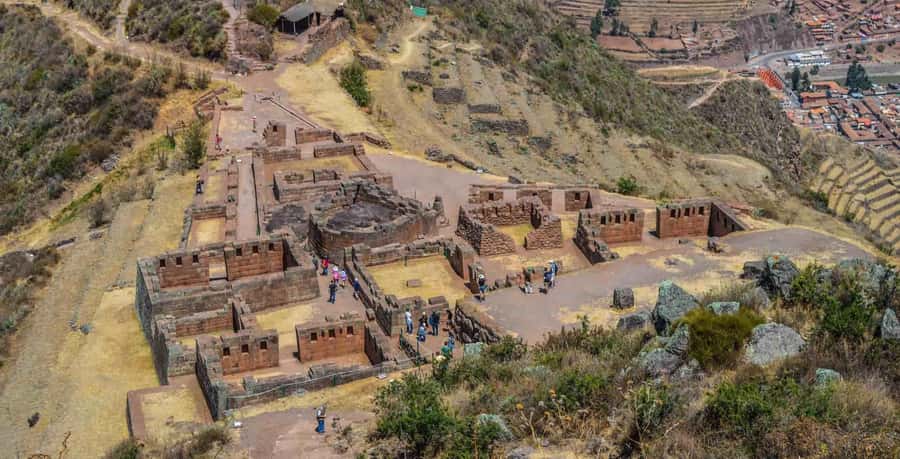
Before leaving Písac, you’ll get a guided tour of the Písac archaeological park. This is where the trip shifts from browsing to understanding. Even if you’ve seen photos before, a live guide changes what you notice: you start comparing terrace lines, changes in elevation, and the way the site is laid out rather than just admiring it as a view.
This also ties neatly into the rest of your day. When you later reach Taray, you’ll already be primed to read the landscape in terraces instead of treating each viewpoint like a separate postcard.
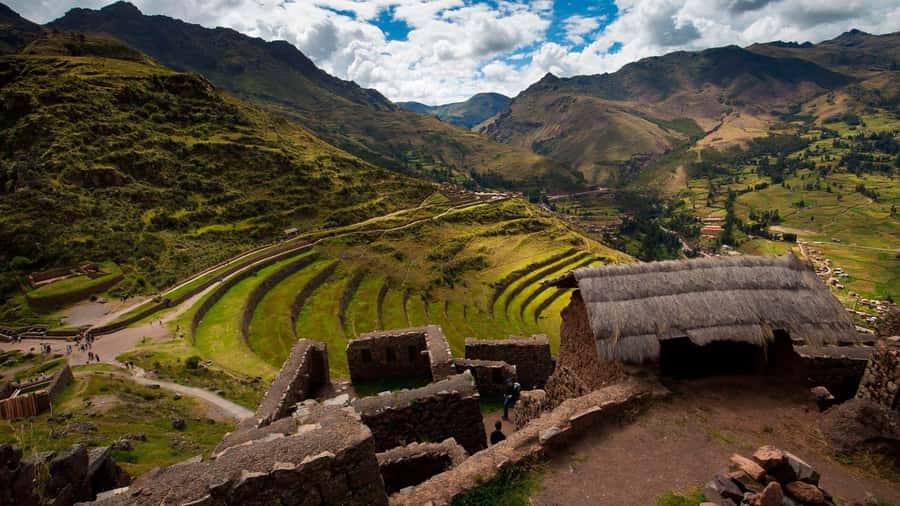
Taray Viewpoint: the easiest way to understand Sacred Valley terraces
On the return to Cusco, you stop at the Taray Viewpoint. This is a short detour that pays off because it gives you a high-level look at the Sacred Valley’s terrace pattern.
I like viewpoints best when they help you understand the terrain you’ll see later. Taray works because it frames the terraces as a system across the valley. You’ll come away noticing how much work goes into shaping land and how the contours drive what gets built.
If you’re sensitive to sun, this is when it often hits hardest. Bring a hat and sunscreen, and take a few minutes to pause for photos even if the rest of the group is rolling forward.
More Cusco city and Sacsayhuaman walks
Sacsayhuamán: ceremonial fort, big stone, clear explanations
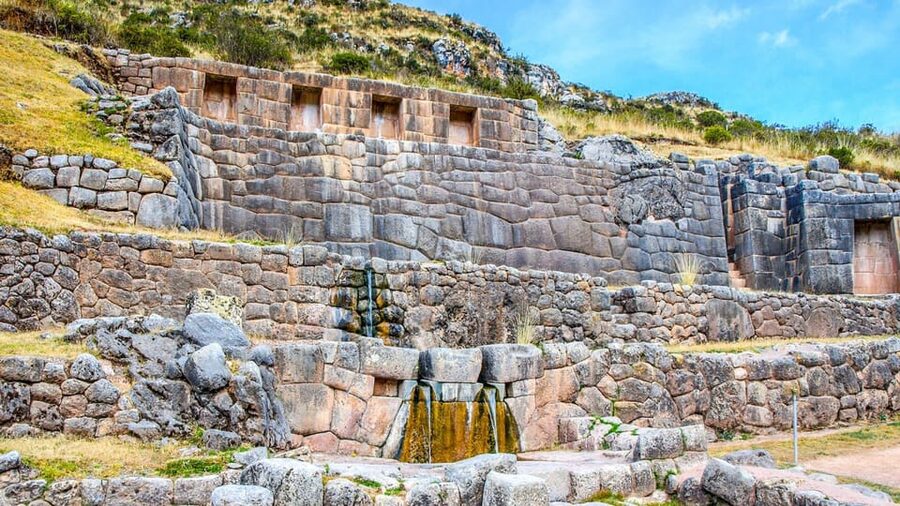
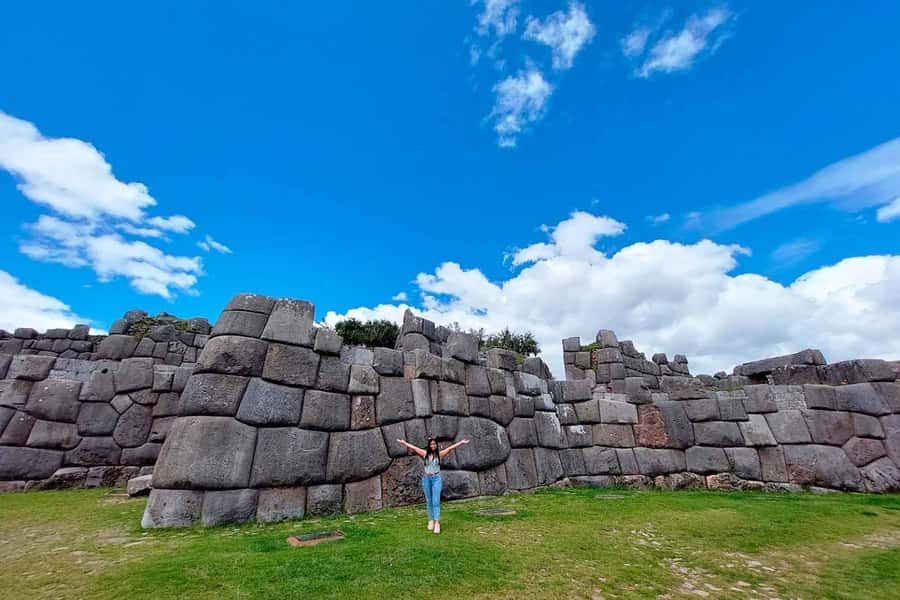
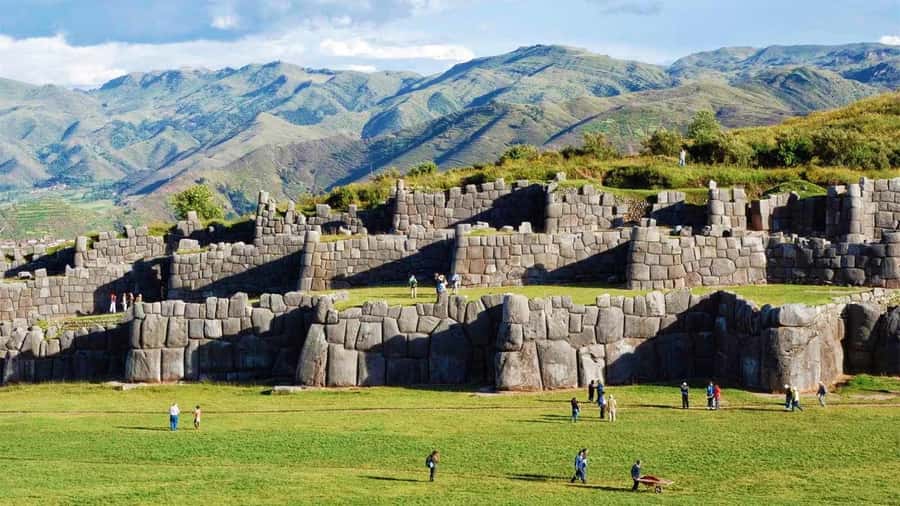
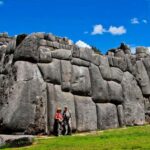
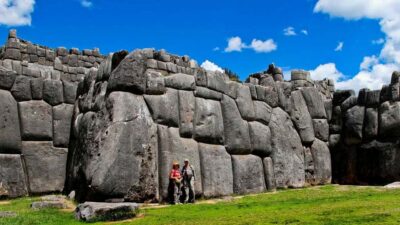
Next comes Sacsayhuamán, described on the tour as a ceremonial fort made of stone monuments. This is one of those sites where scale can overwhelm your brain if you don’t have a narrative.
That’s why the guide matters so much here. A strong guide helps you interpret what you’re seeing as intentional design rather than random rockwork. You’re not just walking among stones—you’re getting the story connected to the political and cultural shift from Inca rule toward the Spanish conquest.
If your guide is Juan Carlos-style (trained and evidence-focused), you may also find yourself asking questions you didn’t plan on asking, and getting direct answers on the spot. In a day like this, that turns a “see it” stop into a “make sense of it” stop.
Q’enqo: ritual site where sacrifices took place
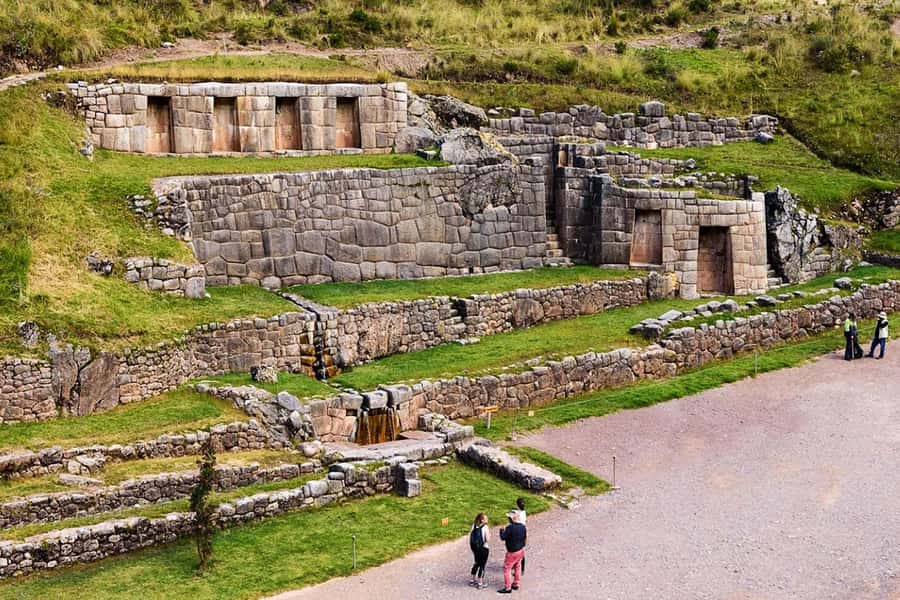
After Sacsayhuamán, you move to Q’enqo, identified as a ritual site where sacrifices once took place. This is an important shift in tone: you’re not only looking at structures; you’re stepping into a place tied to ceremony.
With a guided visit, you can connect what you see to the ritual purpose—especially when your guide keeps the explanation grounded in what the site is associated with. It also helps you keep the day from becoming a blur of “next ruin, next photo.”
This stop is a good time to slow down. If you’re rushing, the meaning can get lost.
Tambomachay: a temple dedicated to worshipping the God of Water
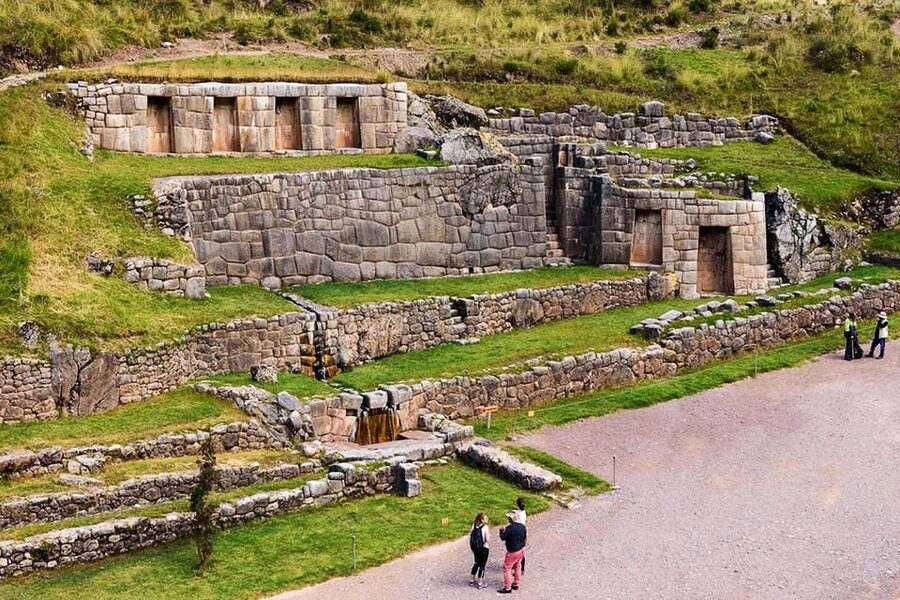
Then you head to Tambomachay, described as a temple dedicated to worshipping the God of Water. Again, this is one of the tour’s strengths: it doesn’t treat all ruins the same.
By the time you reach Tambomachay, you’ve already seen Sacsayhuamán’s ceremonial framing and Q’enqo’s ritual context. That makes Tambomachay’s theme land better, and you’re more likely to remember what each place was for rather than just remembering where you stood.
Keep expectations realistic: this is still a walking-and-looking day. If you want deep silence and long museum-style time, you might feel the pace. If you’re okay with an efficient guided overview, it’s a strong sequence.
Puka-Pukará panorama: an ancient tambo for your final views
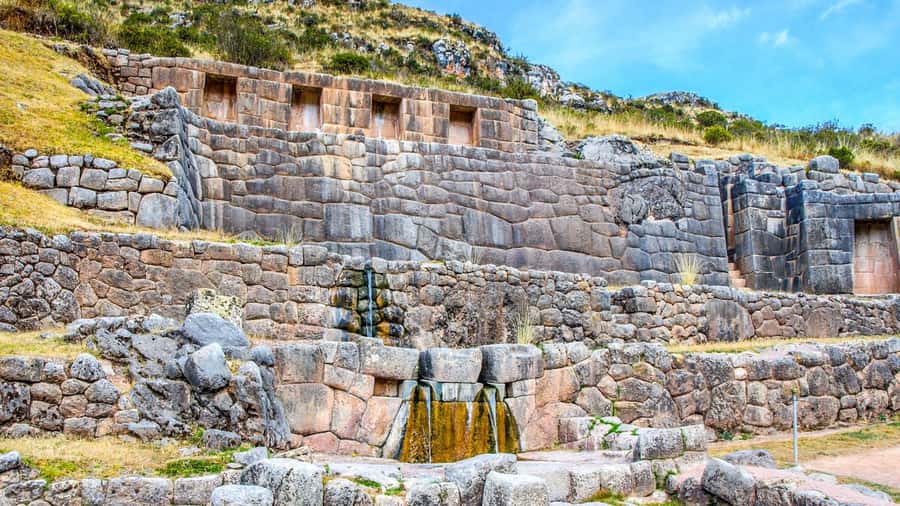
The day ends with a panoramic view of Puka-Pukará, described as an ancient tambo or guard post along Inca roads. This is a smart way to wrap up: it brings you out to a wider perspective after the more focused ruins.
I like these final viewpoint stops because they give your brain a breather. You’re not searching for details in the stones anymore; you’re watching the terrain and imagining movement along routes, which helps the whole tour feel connected.
If weather changes, this is also where your timing matters. Clouds or haze can soften views, so try to take your photos promptly and avoid lingering too long only if the group is already moving.
Guide quality: what to watch for when you want real explanations
This tour lives or dies by the guide. The good news: you’re told it includes an English-speaking guide, and the difference between an okay guide and a great one is obvious once you’re at Sacsayhuamán or Q’enqo.
Two guide styles show up in the feedback you’ll likely encounter. One is Juan Carlos, praised for clear, precise explanations and an archaeological background. Another is Jessica, praised as kind and effective in making things work when practical issues pop up.
Here’s the practical advice I’d give you: ask your guide to explain one site in a way that connects to something you already saw earlier that day. If they can do that, you’re in good shape for the whole route. If you’re getting bland facts with no link between stops, you’ll feel it by the afternoon.
Price and tickets: the real budget math
The advertised price is $77 per person for a 6-hour tour with hotel pickup/drop-off, transport by car or minibus, and an English-speaking guide. That’s a fair base rate for a full run through Pisac plus multiple Cusco-area ruins.
But the archaeological site admission fees are not included, and you should budget for them:
- For foreigners: S/ 70 (US$ 18.70) per person
- For Peruvians: S/ 40 (US$ 10.70) per person
So your practical total for a foreign visitor is closer to $95.70 all-in once you add entrance fees (plus any snacks or optional extras). For a day that covers several major sites with a guide, that still tends to feel reasonable—especially if you care about understanding what you’re seeing rather than just collecting photos.
Also note: you’re on the hook to pay admission at the sites. If you don’t carry cash or don’t have a plan for payment, factor that in so you’re not scrambling mid-tour.
Timing, walking, and comfort tips that keep the day enjoyable
This is a walk-and-look day. The tour strongly suggests comfortable shoes, and it’s not suitable for people with back problems or wheelchair users.
Even if you’re generally fit, think about how altitude and sun pile up in Cusco:
- Bring a hat and sunscreen
- Take water and sip regularly
- Plan for changing weather conditions
- Don’t count on long sit-down breaks
One more comfort point: you’ll travel by car or minibus. The vehicle can affect the day more than you’d expect when you’re already tired from walking. If you’re traveling as a group of four, it’s worth confirming that the vehicle size and seating will be comfortable for your group.
And yes—no smoking is allowed during the tour.
Who this Cusco day tour suits best
This tour is a good fit if you want:
- A guided day where each ruin has a purpose and a story attached
- Efficient use of time while staying around Cusco instead of doing a slower, single-site day
- A mix of market time (Pisac) plus interpretation at major sites (Sacsayhuamán, Q’enqo, Tambomachay)
It’s less ideal if you need very low walking, have mobility limitations, or expect museum-style pacing.
Should you book this Cusco: Pisac, Sacsayhuamán, Q’enqo, and Tambomachay tour?
Book it if your priority is a well-organized sampler of the Sacred Valley and Cusco ruins—with a guide who can explain both Inca context and the Spanish conquest while you’re there. The market stop in Pisac plus the terrace viewpoint at Taray makes the day feel more rounded than a straight “ruins only” itinerary.
Skip or reconsider if entrance fees would make the day too tight financially, or if you know your body won’t handle prolonged walking and uneven ground. Also, if vehicle comfort is a big deal for you, confirm pickup timing and seating needs before you go.
If you’re happy with an active guided day and you’d rather understand the sites than just photograph them, this is a strong choice.
FAQ
How long is the Cusco: Pisac, Sacsayhuaman, Q’enqo, and Tambomachay tour?
The tour lasts 6 hours total.
Does the tour include hotel pickup and drop-off?
Yes. Pickup and drop-off are included, and pickup happens from your hotel if it’s within the historic center of Cusco. If it’s farther away, a meeting point may be coordinated.
Are admission tickets to the archaeological sites included in the price?
No. Archaeological site admission is not included and must be paid separately. Foreigners pay S/ 70 (US$ 18.70) per person, while Peruvians pay S/ 40 (US$ 10.70) per person.
What languages is the guide available in?
The tour includes a live guide who speaks Spanish and English.
What should I bring for this tour?
Bring comfortable shoes, a hat, a camera, sunscreen, and water.
Is the tour suitable for wheelchair users or people with back problems?
No. The tour is not suitable for people with back problems or for wheelchair users.
More Tour Reviews in Cusco
More of Cusco on Foot
More Pisac and Ollantaytambo

Recent write-ups from around Cusco, just off the trail
- Cuzco: Rainbow Mountain Excursion
★ 5.0 · 3 reviews - 1 day excursion to Qeswachaka bridge and the 4 lagoons
★ 3.6 · 3 reviews - Waqrapukara 1 day trekking + meals
★ 3.9 · 3 reviews - Valle Sur Cusco | half day
★ 4.3 · 3 reviews - Full-Day Condor Viewpoint & Inca Sites Tour
★ 5.0 · 3 reviews
Cusco City & Sacsayhuaman, compared.
 ★ 4.6Half-Day City Tour with Sacsayhuaman and Q’encoFrom $131,129 reviews
 ★ 4.7City Tour Cusco Qoricancha Sacsayhuaman y TambomachayFrom $13617 reviews
 ★ 4.0Sightseeing Tour of the City on an Open-Top BusFrom $12481 reviews
 ★ 4.5Open Bus Cusco City TourFrom $14219 reviews
 ★ 4.6City Tour | Half-Day Tour to 4 Archaeological SitesFrom $29206 reviews
 ★ 5.0City Tour in Cusco & visit Museum South American Camelid Private.From $49147 reviews
 ★ 4.5Cusco City Sightseeing, San Pedro Market, Cathedral and Qorikancha TempleFrom $59139 reviews
 ★ 4.2Half-Day City TourFrom $17129 reviews
Browse the lists this tour appears in